Sea Kayak Safety & Recovery Masterclass
Sea Kayak Safety & Recovery Masterclass
£129.99 || VIEW DATES & BOOK
A practical one-day sea kayaking safety course to develop coastal sea kayakers to respond calmly, quickly & effectively when there is a perceived emergency on the water.
SEA KAYAK SAFETY & RECOVERY MASTERCLASS
PRACTICAL RESCUE, RECOVERY AND INCIDENT-MANAGEMENT TRAINING FOR DEVELOPING COASTAL PADDLERS
When things go wrong at sea, enthusiasm is not a plan.
A capsize, tired paddler, broken footrest, lost paddle, failed landing, cold swimmer, injured paddler or changing weather can turn a simple trip into a serious problem quickly.
The Sea Kayak Safety & Recovery Masterclass is a practical one-day sea kayaking safety course designed to help developing coastal paddlers respond calmly, quickly and effectively when things do go wrong.
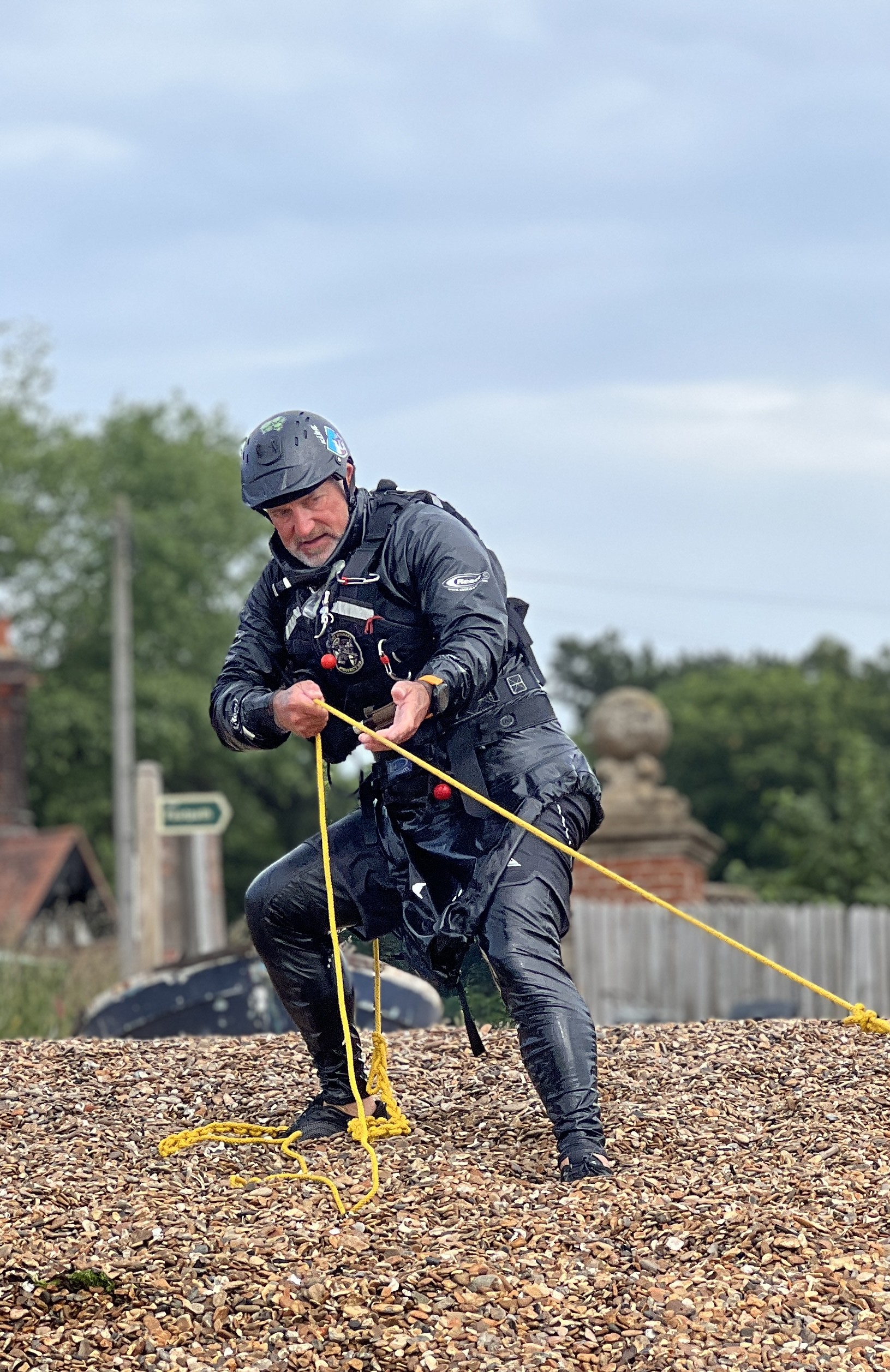
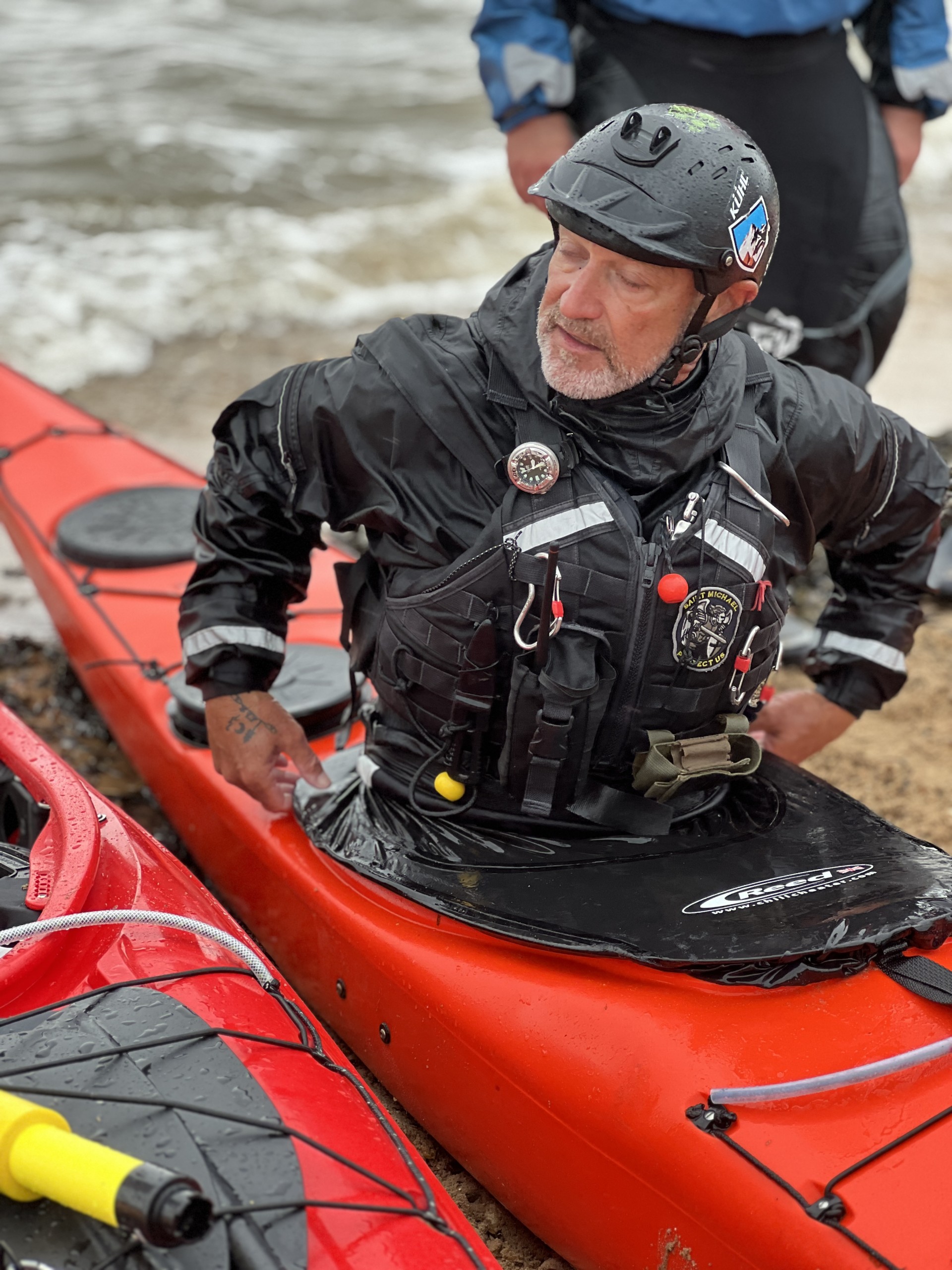
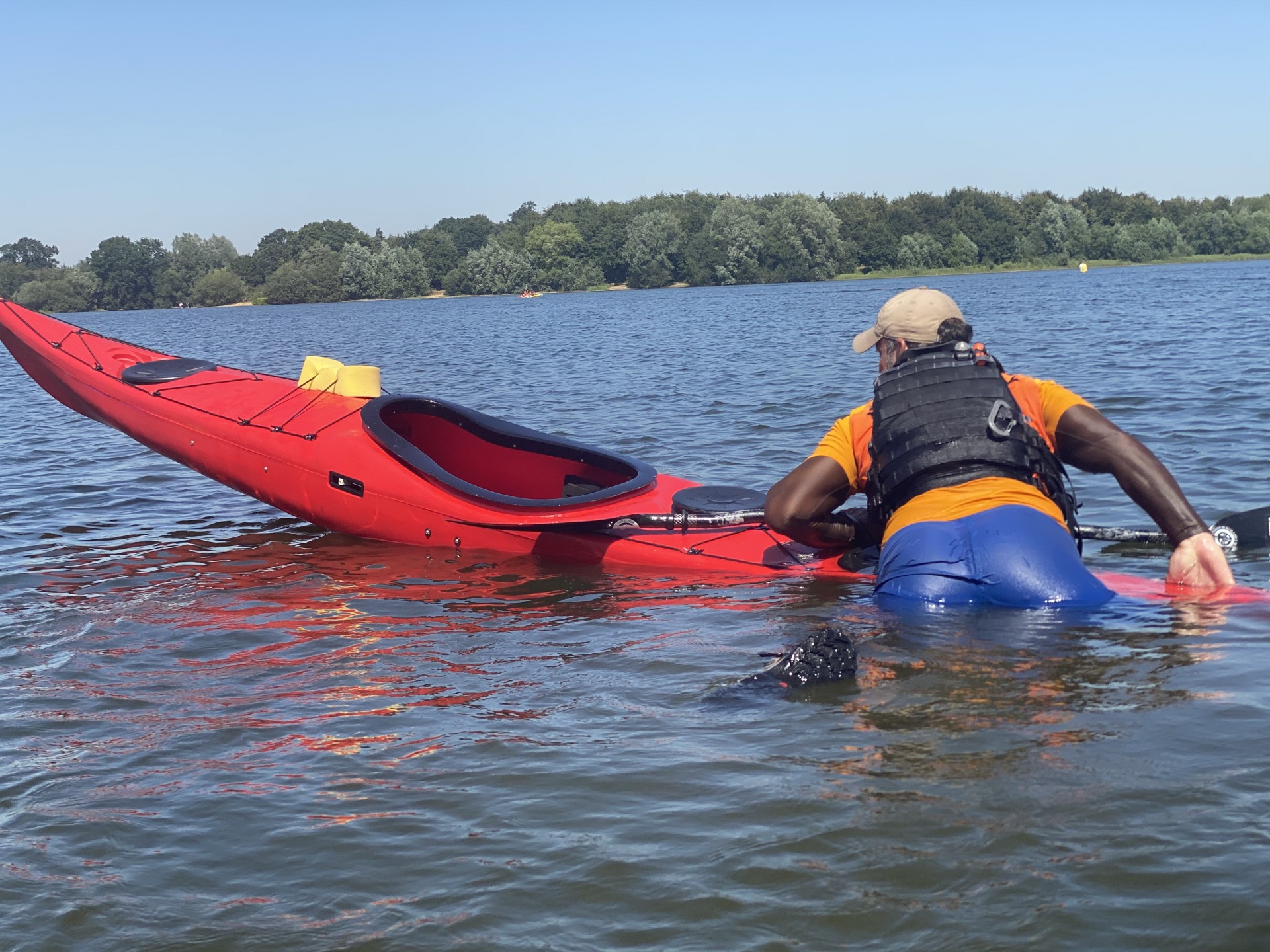
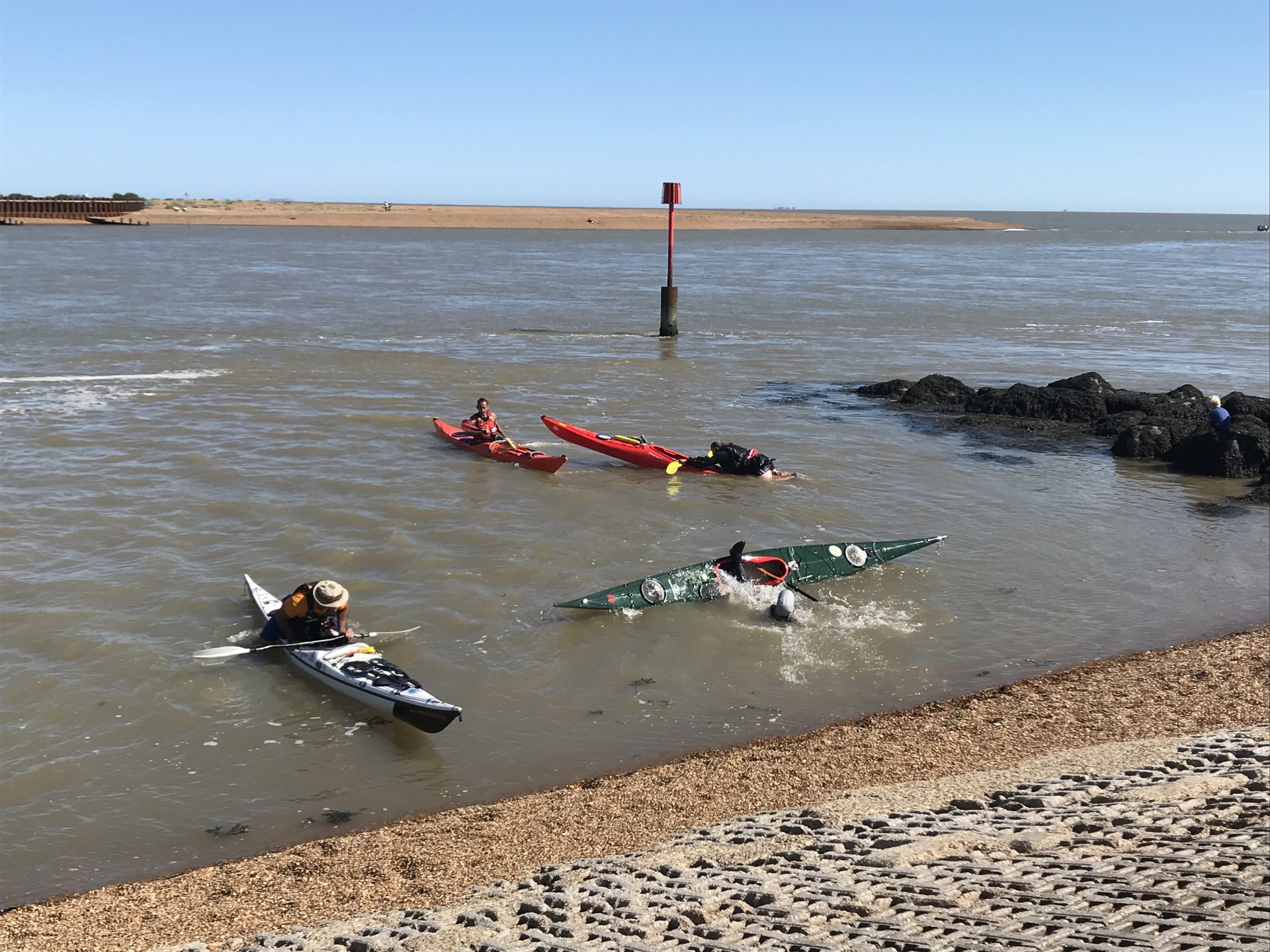
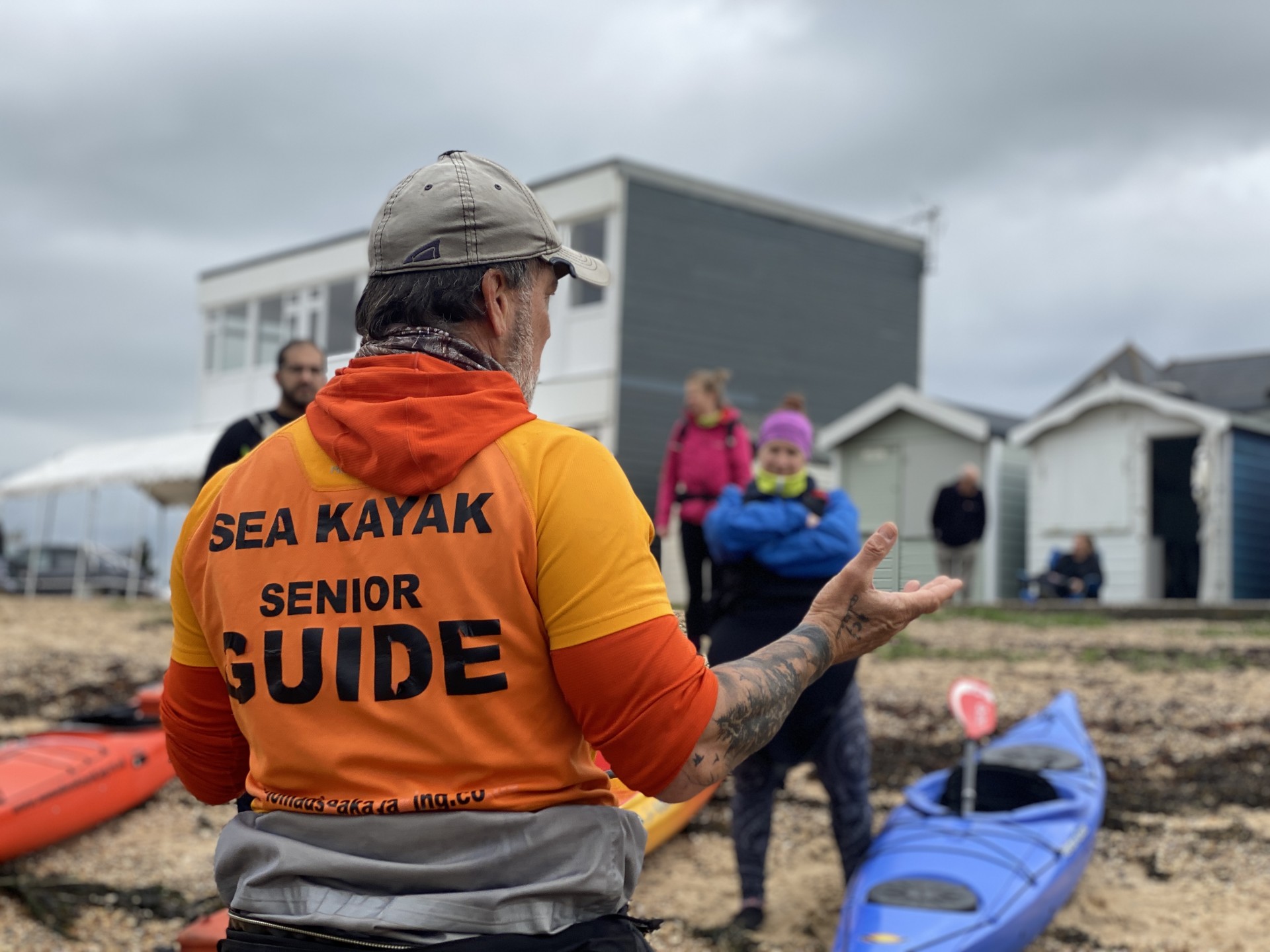
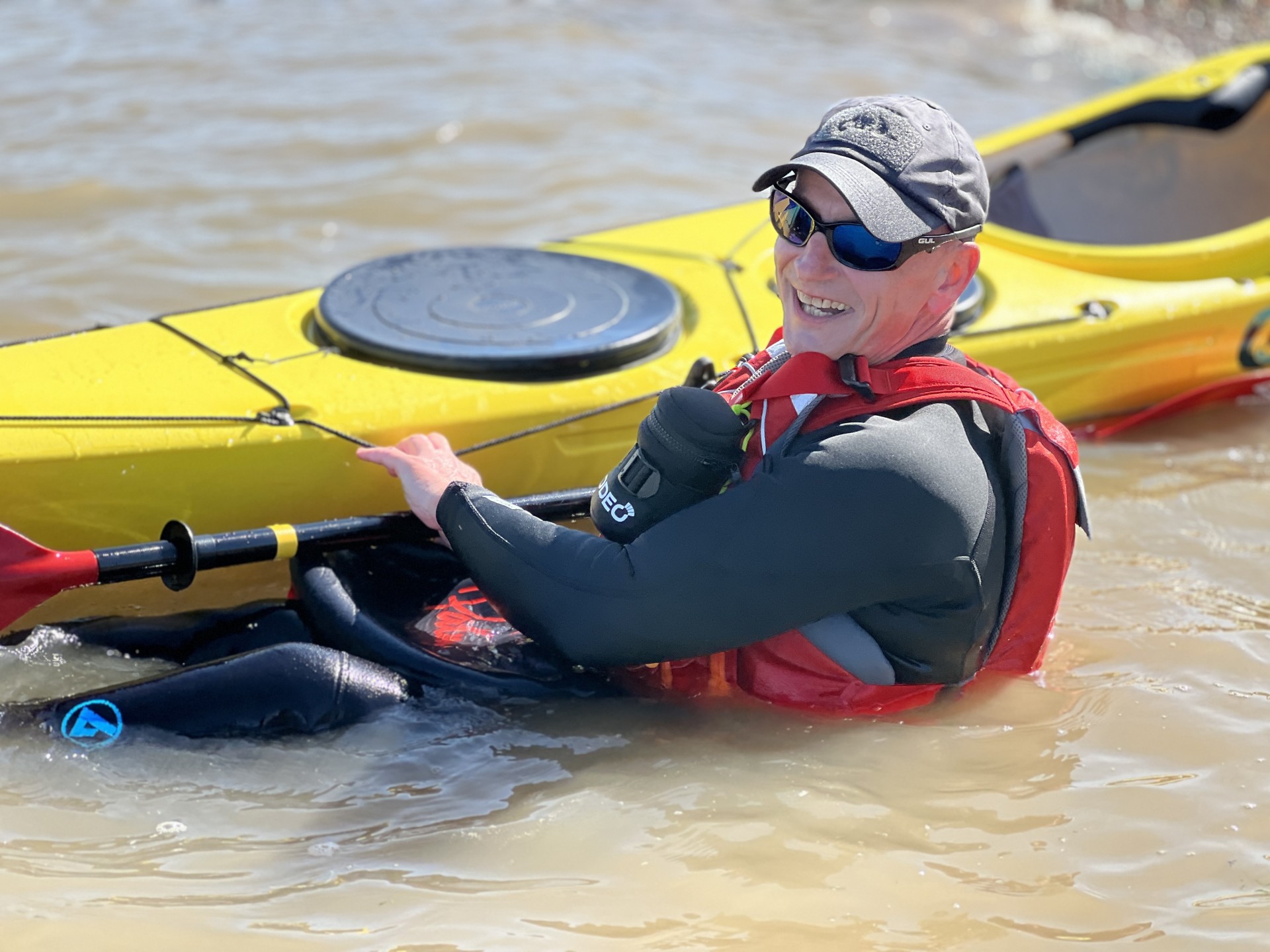
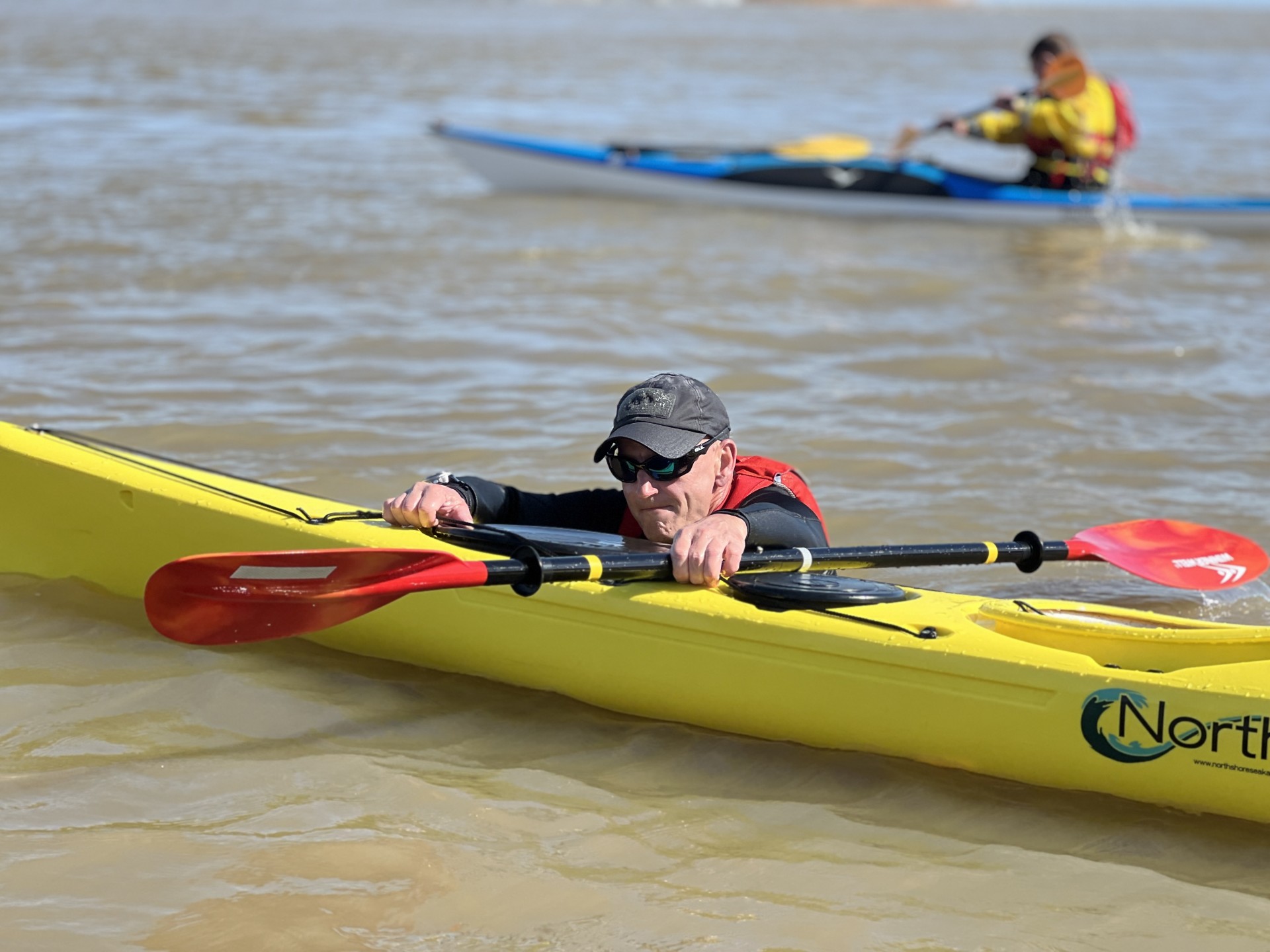
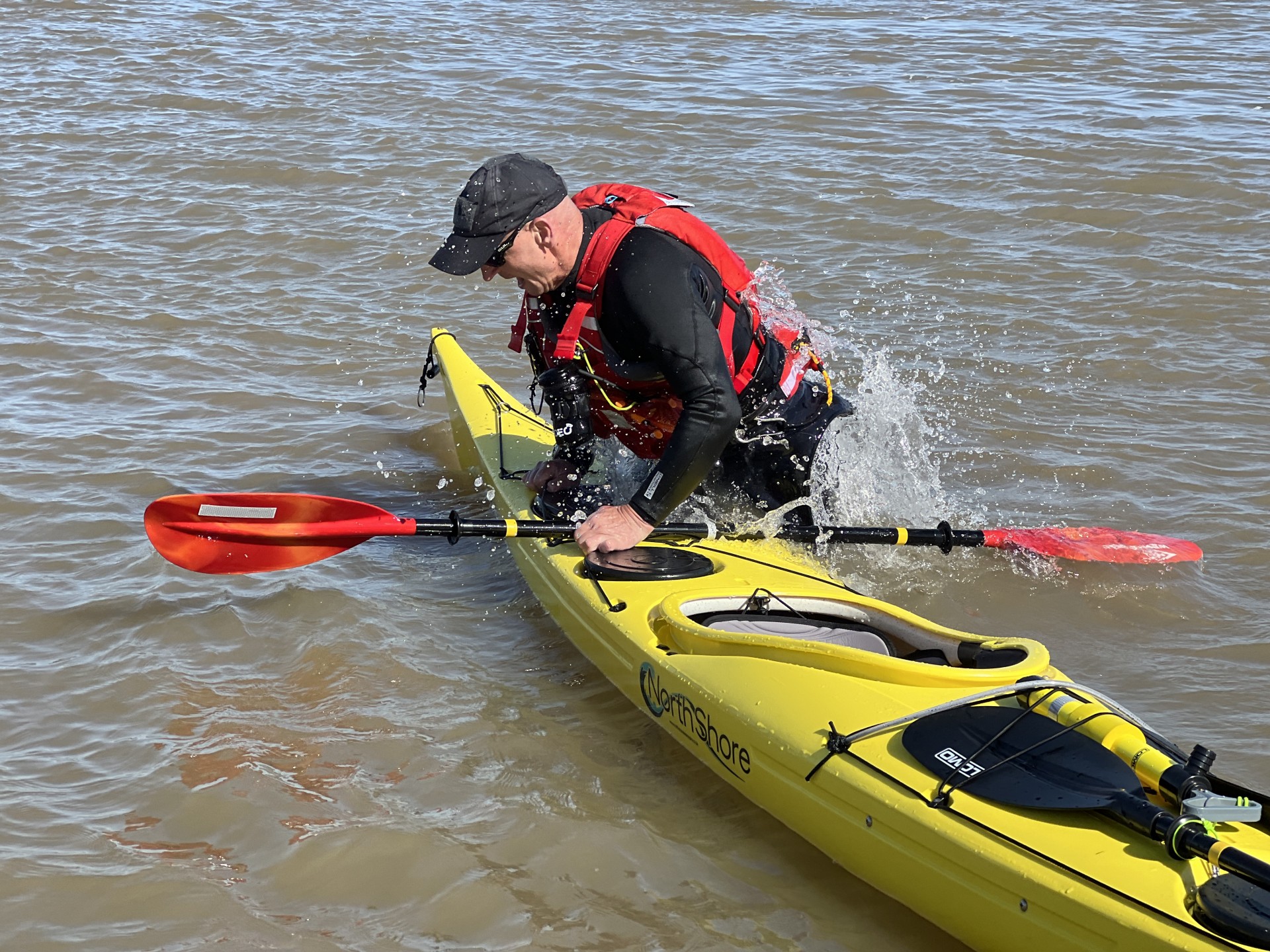
This is not a theory talk. This is hands-on sea kayak rescue training, recovery practice, towing, decision-making and incident-management training in a real coastal environment.
If you are starting to paddle more independently, this is one of the most important courses you can take.
WHAT IS YOUR CONTINGENCY WHEN THINGS GO WRONG?
Most paddlers don't expect incidents. That's the problem. They plan for the paddle they hope to have, not the one they may actually get.
Ask yourself honestly:
- What would you do if your paddling partner capsized in deep water?
- Could you recover a swimmer and their kayak efficiently?
- Could you tow a tired or injured paddler?
- Could you manage someone who is cold, frightened or exhausted?
- Could you deal with equipment failure on the water?
- Could you make a sensible landing decision under pressure?
- Could you call for help and give useful information clearly and concisely?
- Could you prevent a small problem becoming a real emergency?
If you are not sure, that is why this course exists. The sea doesn't care whether you meant well. You need real skills, sound judgement and an actinable plan.
THE OUTCOME: BECOME A SAFER, CALMER AND MORE USEFUL PADDLER
By the end of this sea kayak safety and recovery course, you should have a much clearer understanding of how to prevent, manage and respond to common coastal paddling problems.
You'll becoming the paddler who can:
- Stay calm when there is a problem/s.
- Recover a capsized paddler effectively.
- Understand practical self-recovery options.
- Use simple and suitable towing techniques for the prevailing sea conditions.
- Manage tired, cold or anxious paddlers.
- Respond to equipment problems.
- Make better decisions before incidents escalate.
- Understand when to continue, retreat, land or call for help.
- Think clearly under pressure.
- Paddle with greater safety awareness and responsibility, particularly when paddling within a group.
You will not become a rescue expert in one day. But you will be better prepared, more capable and more useful in the situations coastal paddlers are most likely to face.
WHO THIS MASTERCLASS IS FOR
This course is for paddlers who already have reliable kayak management skills and want to safer, more competent and more independent in coastal environments.
Suitable for:
- Developing sea kayakers.
- Touring kayakers moving towards coastal paddling.
- Paddlers who have completed a basic kayaking course.
- Paddlers working towards independent coastal journeys.
- Paddlers who have joined guided trips but want to take on more responsibility themselves.
- Paddlers who want to practise recoveries in a structured setting & under professional supervision.
- Paddlers who want to support friends or group members more effectively.
- Anyone who realises that confidence without recovery skills is fragile.
This course is not for complete first-time paddlers. You should be able to paddle forwards, turn, stop, control your kayak reasonably well and follow safety instructions on the water.
WHY THIS TRAINING MATTERS
A good paddle plan should include more than route, weather and tide. It should include the question most people avoid:
What will we do if something goes wrong?
Sea kayaking incidents often start small:
- Someone capsizes.
- Someone gets cold (usually both)
- Someone becomes tired.
- A paddle is lost.
- A hatch leaks.
- A landing becomes difficult/hazardous.
- The wind increases & sea swell gets bigger.
- The group becomes separated.
- A simple delay changes the tide or light.
None of these has to become a disaster. But without practice, people freeze, rush, panic or make poor decisions. This course gives you practical tools before you need them. That's the point.
THE NOMAD SAFETY & RECOVERY FRAMEWORK
This masterclass follows a practical four-part framework.
1. PREVENT
Good incident management starts before the incident happens. You will look at planning, equipment, communication, weather, tide, group ability and early warning signs.
The best recovery is the one you never need to perform.
2. RESPOND
When something does happen, you need to act quickly but calmly.
You'll practise common recovery skills, including capsize response, assisted recoveries, self-recovery awareness and simple towing techniques and protocols.
3. MANAGE
A recovery isn't finished when the paddler is back in the boat.
You may still need to deal with cold, fatigue, fear, damaged equipment, group control, landing options or calling for help. You'll learn to think beyond the immediate recovery.
4. REVIEW
Good paddlers learn from near misses and experience. You'll practise post-incident thinking so you can identify what happened, why it happened and what should change next time.
This is how your judgement will improve.
WHAT YOU WILL PRACTISE
Training will be practical, realistic and focused on common sea kayaking problems.
Content may include:
- Personal safety checks.
- Safety frameworks for coastal paddling.
- Weather, tide and information sources.
- Group communication.
- Signals and instructions on the water.
- Capsize response.
- Wet exits.
- Assisted deep-water recoveries.
- Self-recovery awareness.
- Recovering swimmer and kayak.
- Contact towing.
- Short and long tows.
- Managing and supporting tired paddlers.
- Cold paddler awareness.
- Equipment damage and failure scenarios.
- Making an emergency repair at sea.
- Lost paddle response.
- Landing with a problem.
- Basic first-aid considerations.
- Calling for help.
- Deciding when to continue, retreat or land.
- Simple incident review.
The exact training plan will depend on the weather, sea state, venue and ability of the group. Safety and learning quality come first.
WHAT IS INCLUDED
Your Sea Kayak Safety & Recovery Masterclass includes:
- One full day of practical sea kayak safety training.
- Small-group coaching.
- Rescue and recovery practice.
- Towing and contact tow practice.
- Incident-management scenarios.
- Equipment and safety kit guidance.
- Weather and tide awareness.
- Personal coaching feedback.
- Sea Kayak Safety Checklist.
- Personal Recovery Skills Review.
- Practical next-step recommendations.
- 30 days of follow-up email support for relevant course questions.
This is not just a wet day practising rescues and recoveries. It's a structured safety and recovery training day designed to make you a more capable coastal paddler.
COURSE FORMAT
DURATION
- One full day.
- Approximately 6 to 7 hours total.
- Practical shore-based and on-water training (mostly deep water based).
GROUP SIZE
- Minimum to run: 3 student paddlers.
- Maximum group size: 6 student paddlers.
Small groups matter. Rescue training needs close observation, clear feedback and enough practice time for each paddler.
TRAINING ENVIRONMENT
Training takes place in suitable sheltered or moderate coastal conditions. The venue will depend on weather, tide, sea state and group ability. We will not run unsafe or unsuitable scenarios just to tick a box.
FITNESS, AGE AND SUITABILITY REQUIREMENTS
This is an active sea kayaking safety course. You should expect to get wet, practise recoveries, move kayaks and spend time wet, in the water.
MINIMUM REQUIREMENTS
You should be able to:
- Paddle a kayak with confident control.
- Follow instructions quickly.
- Take part in capsize and recovery practice.
- Swim or be water-confident while wearing a buoyancy aid & handling a paddle.
- Spend time in cold water during recovery practice.
- Assist another paddler as part of a rescue.
- Help move or carry kayaks as part of a team.
- Cope with physical effort, cold, wet clothing and tiredness.
AGE LIMIT
- Minimum age: 18 years.
WEIGHT AND EQUIPMENT SUITABILITY
Kayak suitability depends on participant size, weight, mobility and the available equipment.
Please contact NOMAD before booking if:
- You weigh over 100kg.
- Over 6 foot and 2 inches
- You are unsure whether you will fit comfortably in a closed-cockpit sea kayak.
- You require a sit-on-top kayak or more stable craft.
- You have mobility limitations that may affect rescue practice.
- You have concerns about getting in and out of a kayak.
We will advise honestly before you book.
MEDICAL CONSIDERATIONS
You must tell us before booking if you have any medical condition, injury or medication that may affect your safety during rescue training.
This includes, but is not limited to:
- Heart conditions.
- Breathing difficulties or asthma.
- Epilepsy or seizure history.
- Diabetes.
- Significant back, shoulder, hip or knee problems.
- Recent surgery.
- Severe anxiety in water.
- Balance or mobility issues.
- Any condition that may affect stamina, judgement or rescue participation.
Having a medical condition does not prevent participation. Hiding it is the problem. We need accurate information to make safe decisions.
IMPORTANT LIMITATIONS
This course is designed to build practical safety, rescue and recovery ability for developing coastal paddlers.
It is not:
- A formal qualification unless explicitly stated.
- A leadership award.
- Advanced rough-water rescue training.
- A guarantee that you can manage every sea kayaking emergency.
- A substitute for judgement, practice and continued development.
- A replacement for calling emergency services when needed.
If you or someone else is in difficulty at the coast, call 999 and ask for the Coastguard.
This course helps you become better prepared. It does not make you invincible.
WHY CHOOSE NOMAD?
You are trusting someone to train you for the moments that matter.
NOMAD Sea Kayaking brings more than 21 years of professional sea kayaking experience, guiding and coaching paddlers in real coastal environments.
You will benefit from:
- Experienced professional sea kayak coaches.
- British Canoeing and ISKGA training background.
- Small-group practical coaching.
- Realistic rescue scenarios.
- Honest feedback.
- A safety-first approach.
- Clear progression beyond the course.
- Practical coastal experience, not classroom theory.
We do not teach recoveries as box-ticking exercises. We teach them because when it goes wrong, your response matters.
THE REAL QUESTION
You do not need to be fearless to paddle on the sea. You need preparation.
If your only plan after a capsize is hope, you are not ready. If your only rescue strategy is waiting for someone else, you are not yet independent.
If you paddle with others, your lack of rescue skill affects them too. This course gives you the chance to practise before the pressure is real.
That is the responsible choice That is your choice.
BOOK YOUR PLACE
Become the competent paddler who knows what to do when things go wrong.
Learn recovery skills - Practise recoveries - Understand your limits - Build judgement.
Protect yourself and the people you paddle with.
Book your place on the Sea Kayak Safety & Recovery Masterclass today and take the next serious step towards safer, more confident coastal paddling.
Your safety comes first. If wind, tide or sea conditions make it unsafe, we move you to the next available date. If you can't make that one, we offer the following date. If neither works, you receive a credit valid for 12 months from the second offered date. Where available, the Weather Flex add-on gives you extra date choices.
Yes. Cancel within 14 days of booking (before your course starts) for a full refund. After that, we can usually move you to another date, give you a 12-month credit or let someone else take your place.
Kurt, our lead coach, with more than 21 years of professional coaching and a 100% clean safety record. Meet Kurt →
A full day of personal coaching, tailored to you, for faster progress at any stage.
View 1-to-1 Sea Kayaking Skills Accelerator →Location
Bawdsey Quay, Ferry Road, IP12 3AT
28th October 2026, 10:00 AM
Own kayak & equipment.
Free on site.
Ensure you have the following equipment for the day;
1. Helmet
2. Spare split paddle
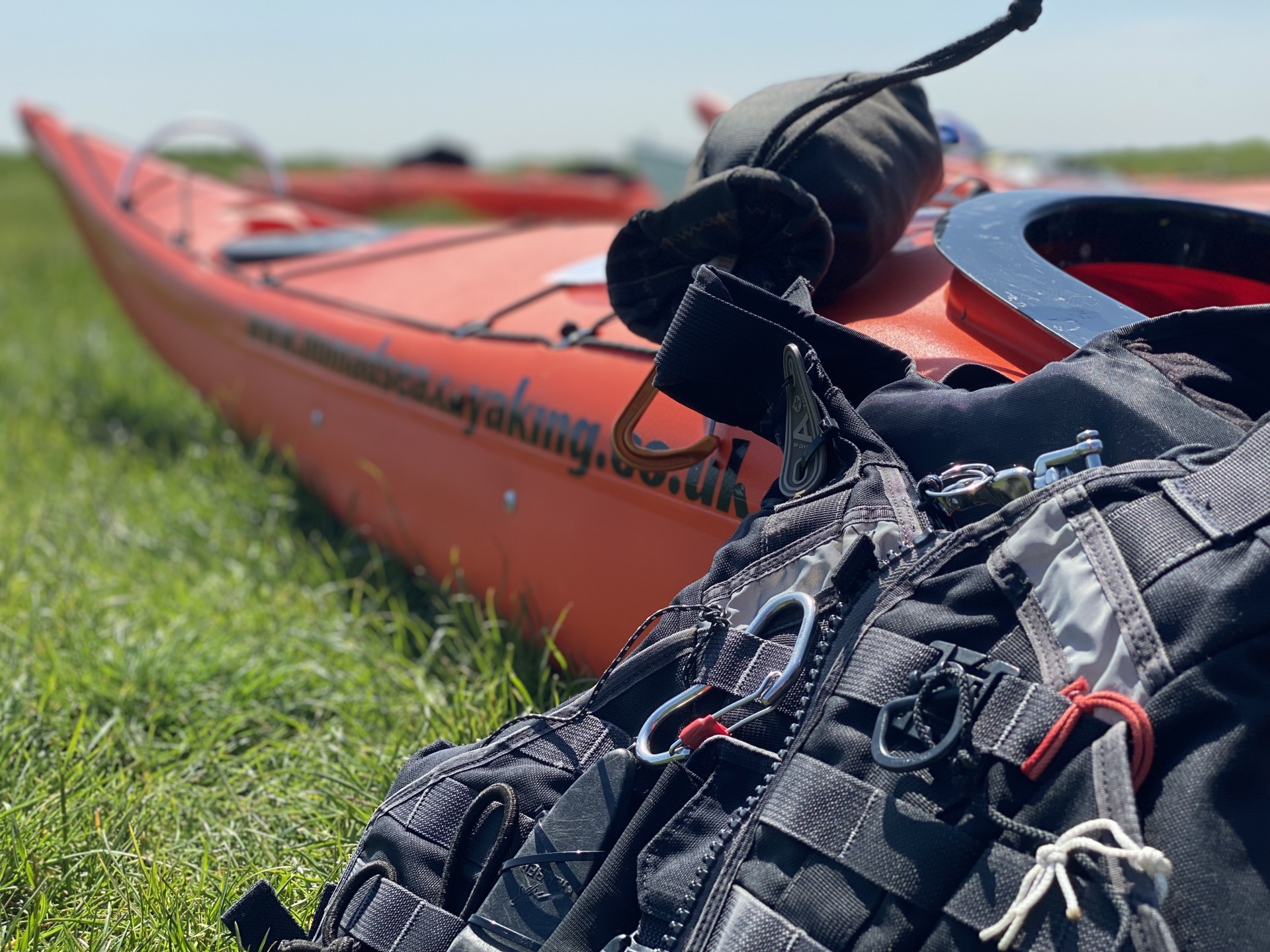
3. Emergency 'grab bag'.
4 Personalised first aid kit
5. Sun protection, food drink for the day.
Please waterproof and secure your own equipment - your coach cannot store nor secure your personal items.