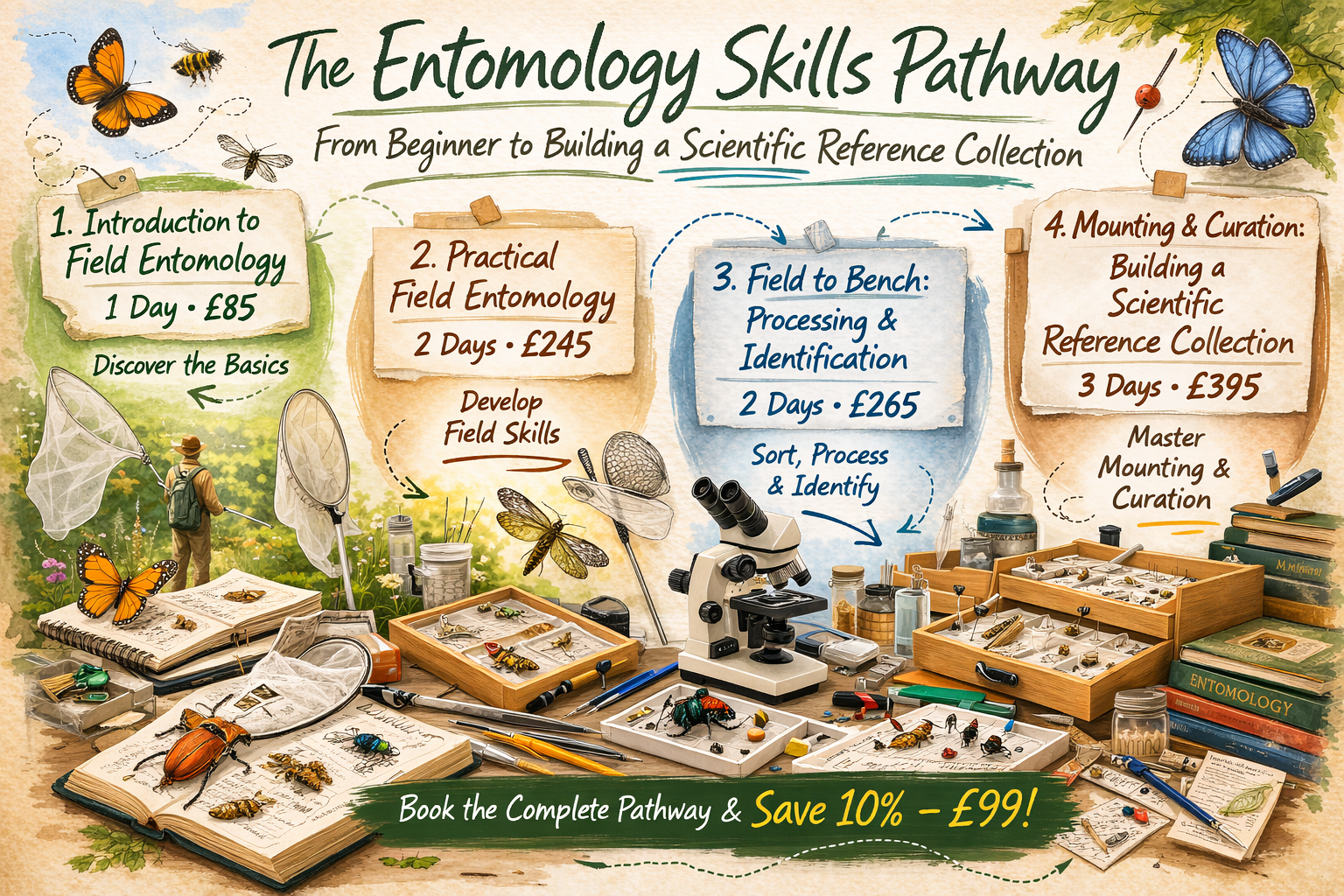
The Entomology skills Pathway
1. Introduction to Field Entomology – Discover the basics
2. Practical Field Entomology – Develop real field skills
3. Field to Bench – Process and identify specimens
4. Mounting & Curation – Build a scientific reference collection
FIELD ENTOMOLOGY COURSES IN SUFFOLK
Practical insect identification, field survey skills & natural history training
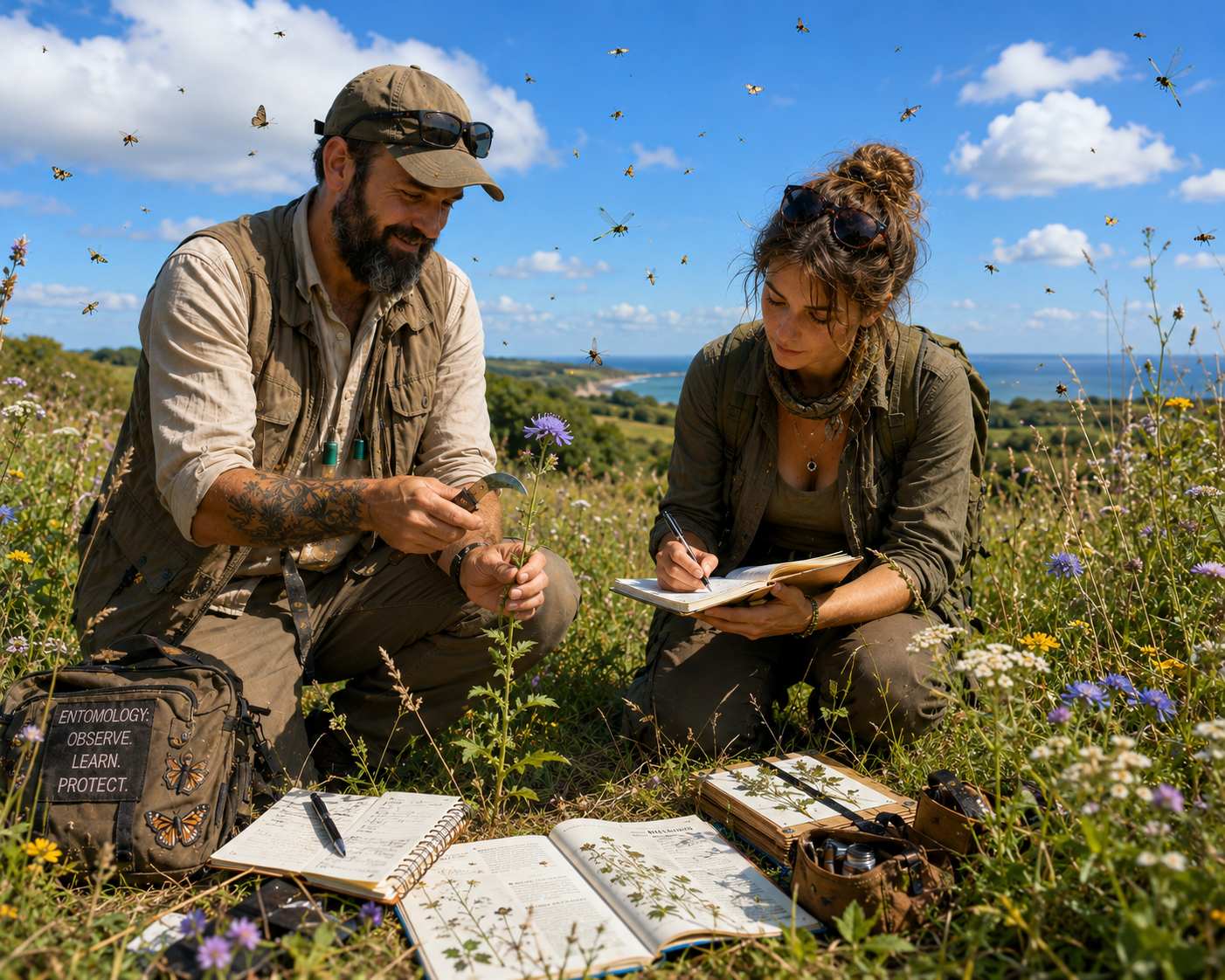
NOMAD Outdoor Learning offers Field Entomology courses in Suffolk for beginners, amateur naturalists, citizen scientists, outdoor professionals and anyone who wants to learn insects and invertebrates properly.
You will learn how to observe, collect where appropriate, identify, preserve, record and understand insects with care, discipline and accuracy. From curiosity to competence.
Register your interest now and be first to receive 2026-2027 course dates, workshop announcements and NOMAD Entomology Club updates.
WHY THIS MATTERS
Insects pollinate our crops, recycle nutrients, break down organic matter, feed birds and bats, support soil health and help keep ecosystems working.
Insect populations are under pressure, and we don’t have enough skilled observers or reliable records. We need trained people who can go into the field, observe carefully, identify honestly, record accurately and understand what they are looking at. That is where field entomology matters.
THE PROBLEM
If you are serious about insects, you quickly hit the same wall:
• You do not know what equipment you actually need.
• You are unsure how to collect ethically and legally.
• You struggle to identify insects beyond broad guesses.
• You do not know when a photograph is enough.
• You are unsure how to use keys, microscopes, labels and records.
• You want your observations to be useful, but you lack a method.
NOMAD’s courses are designed to fix that.
WHAT YOU GET
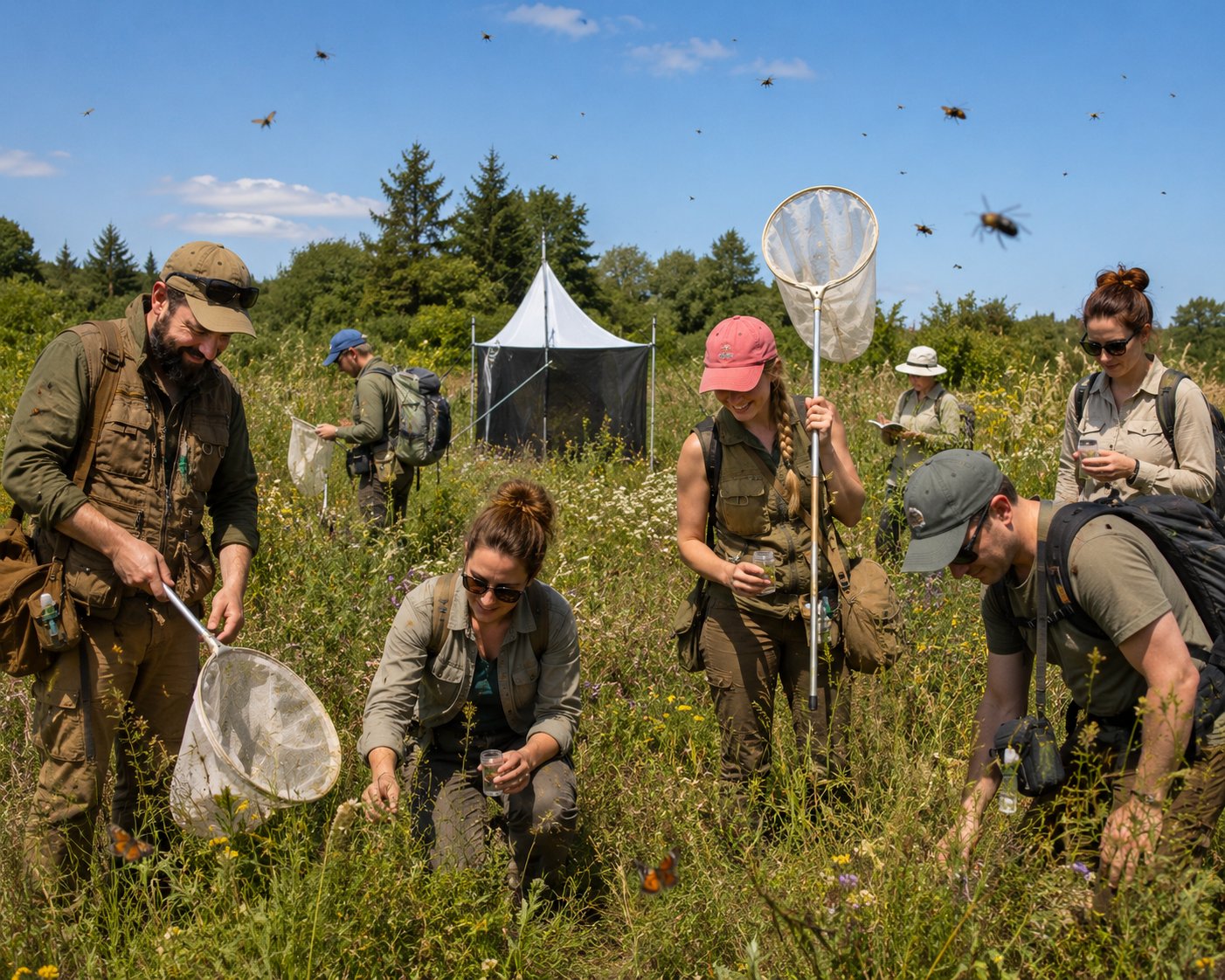
You will be trained in practical, field-based natural history skills, including:
• Finding insects and invertebrates in the right places
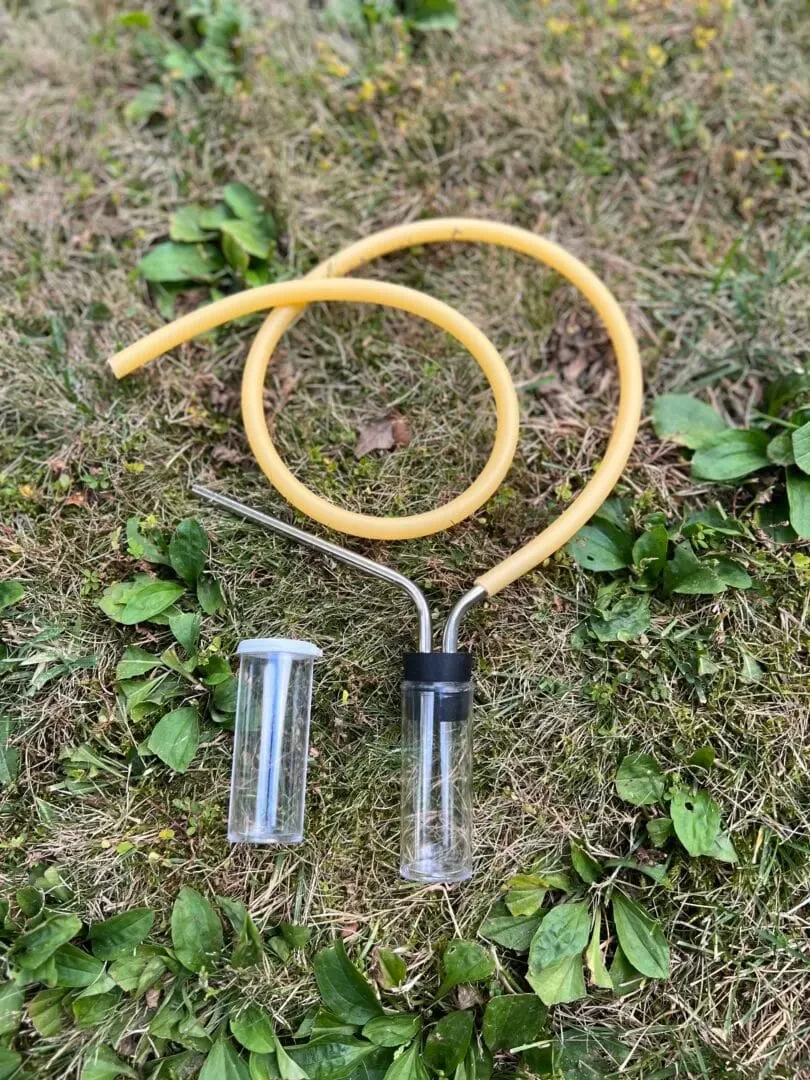
• Using hand lenses, sweep nets, beating trays, aspirators and white specimen trays for sorting.
• Knowing when to observe and when ethical collection is appropriate
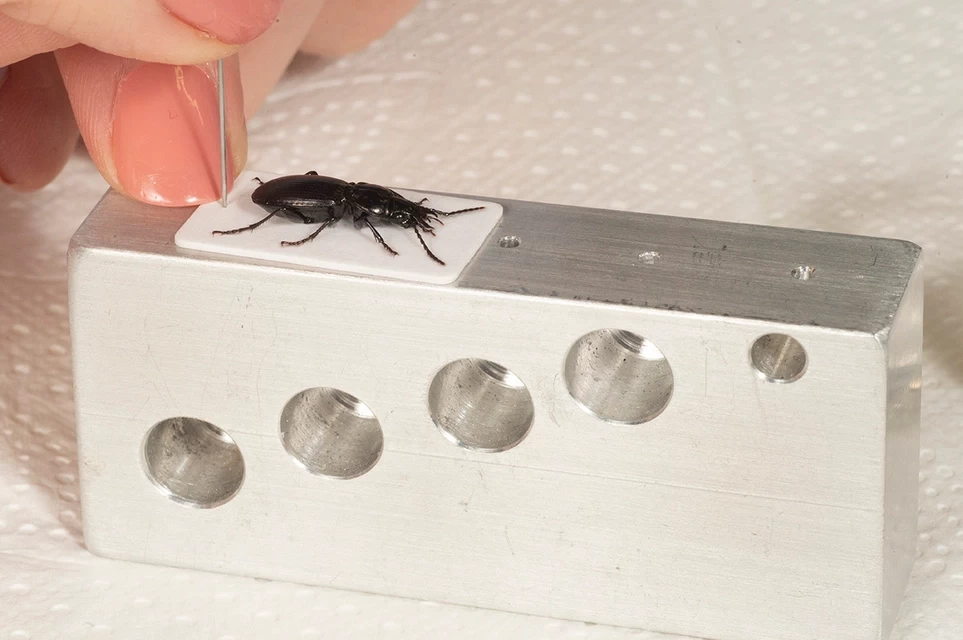
• Handling, preserving and labelling specimens correctly
• Using a stereo microscope with confidence
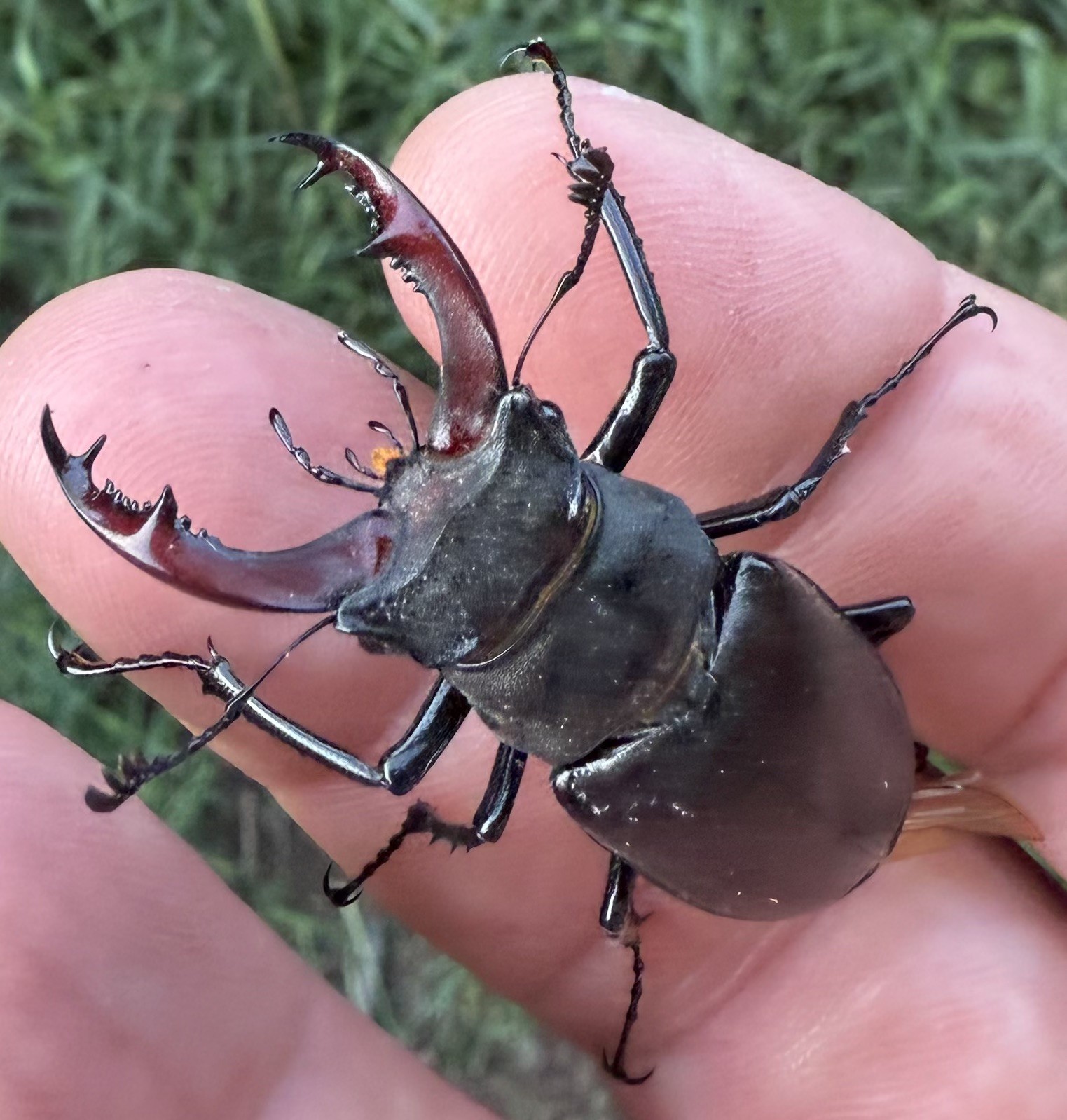
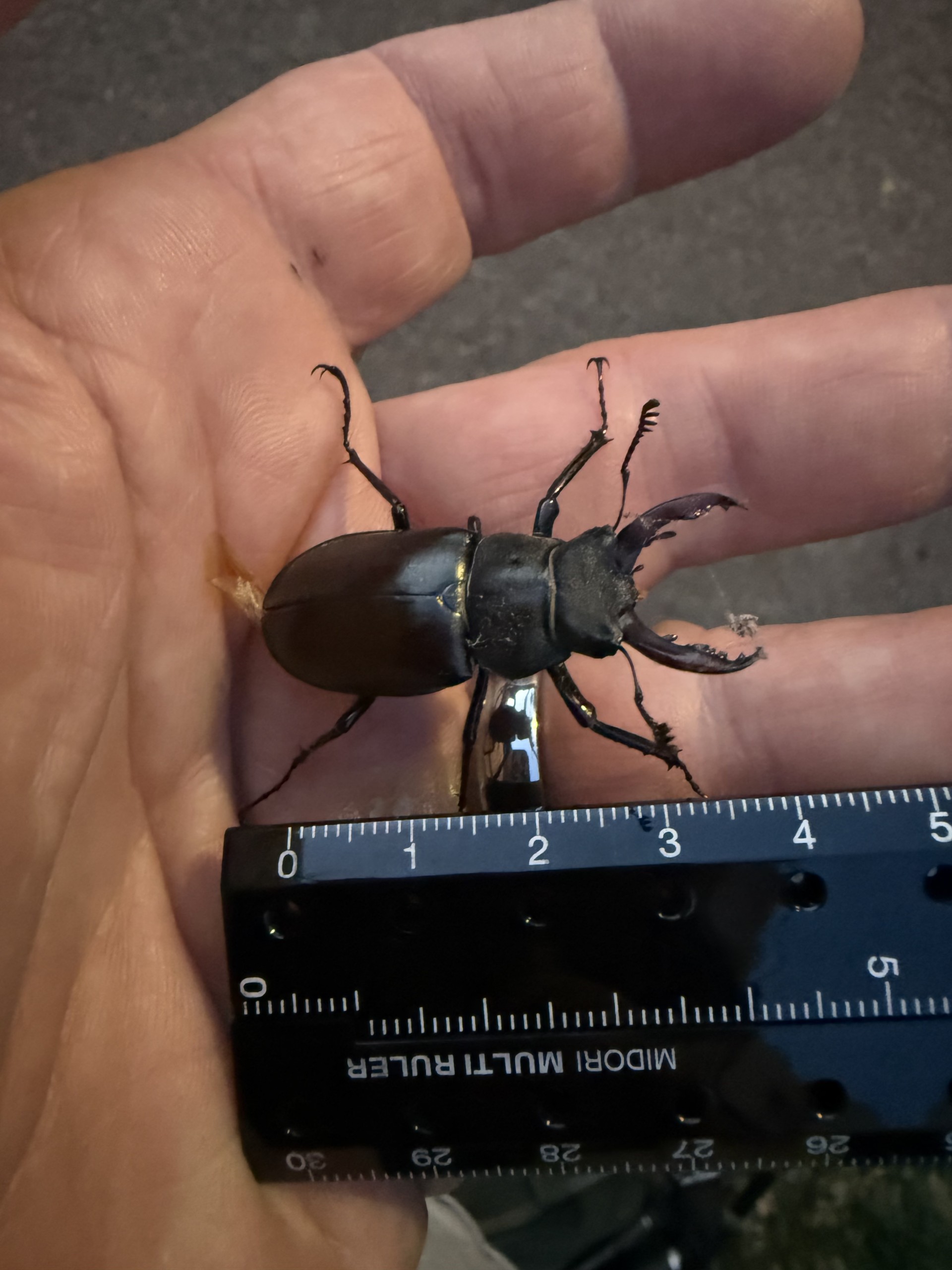
• Recognising insect anatomy and diagnostic features
• Working with identification keys
• Identifying insects to Order and, where realistic, Family level
• Knowing when expert confirmation is needed
• Recording habitat, date, location, grid reference and field context properly
• Submitting more useful biological records
We teach reliable method.
THE NOMAD METHOD
Our learning pathway is simple: TRY → LEARN → PROCESS → BUILD
You try real field methods - You learn correct technique - You process specimens & records properly - You build genuine natural history competence over time.
This is not academic gatekeeping. It is not vague nature appreciation. It is practical outdoor learning for people who want to become useful, careful & confident observers.
COURSE AREAS
Depending on the course or workshop, training may include:
• Equipment choice and field kit
• Ethical collection and survey techniques
• Sweep netting, beating, leaf litter searching and freshwater kick sampling
• Specimen handling, preservation and labelling
• Stereo microscopy and identification
• Pinning, mounting and reference collections
• Biological recording and conservation context
The aim is simple: learn the right kit, use it properly, avoid waste, gather better information and not rely on poor internet guesses.
NOMAD Outdoor Learning has spent more than 21 years teaching practical outdoor skills in real conditions. We understand fieldcraft, weather, risk, preparation, observation and disciplined learning. We are apply that same standard to entomology.
WHO THESE COURSES ARE FOR
These courses are for:
• Complete beginners with serious curiosity
• Amateur naturalists who want structure
• Citizen scientists and biological recorders
• Outdoor instructors and educators
• Conservation volunteers
• Teachers and outdoor learning providers
• Wildlife photographers who want better ID skills
• Sea kayakers interested in coastal biodiversity
• Anyone tired of guessing from poor internet advice
No biology degree is needed. But you will need attention to detail, patience and respect for the living world.
THE OUTCOME
You will move from: “I found something, but I don’t know what it is.”
to:
“I can observe it, examine it, identify it honestly, record it accurately and understand why it matters.”
THE NOMAD ENTOMOLOGY PATHWAY
Our programmes include one-day workshops, two to three-day field and lab courses, microscopy sessions, freshwater invertebrate workshops, coastal invertebrate and strand-line events, taxonomic workshops, digital guides, equipment buying guides, identification flowcharts and the NOMAD Entomology Club.
The club provides ongoing learning, seasonal field sessions, shared study, practical challenges and support after your first course.
PLACES ARE LIMITED
Places are limited as demand is high for hands-on, practical training, not mass-market classroom teaching.
Register your interest now to receive:
• First access to 2026 course dates
• Early notice of new workshops
• NOMAD Entomology Club updates
• Equipment guidance
• Digital learning resources
• Seasonal field event announcements
If you care about insects, biodiversity, conservation and proper natural history, this is your starting point.
Register your interest today. Join the NOMAD Outdoor Learning mailing list and be first in line for the 2026 Field Entomology course launch.
Entomology Club
A community of naturalists developing real field entomology & insect identification skills.
Offers
- Monthly field collections
- Digital resources
- Online tutorials
- Social events
- Specimen ID support
- Discounts on entomology courses
- Discounts on select equipment
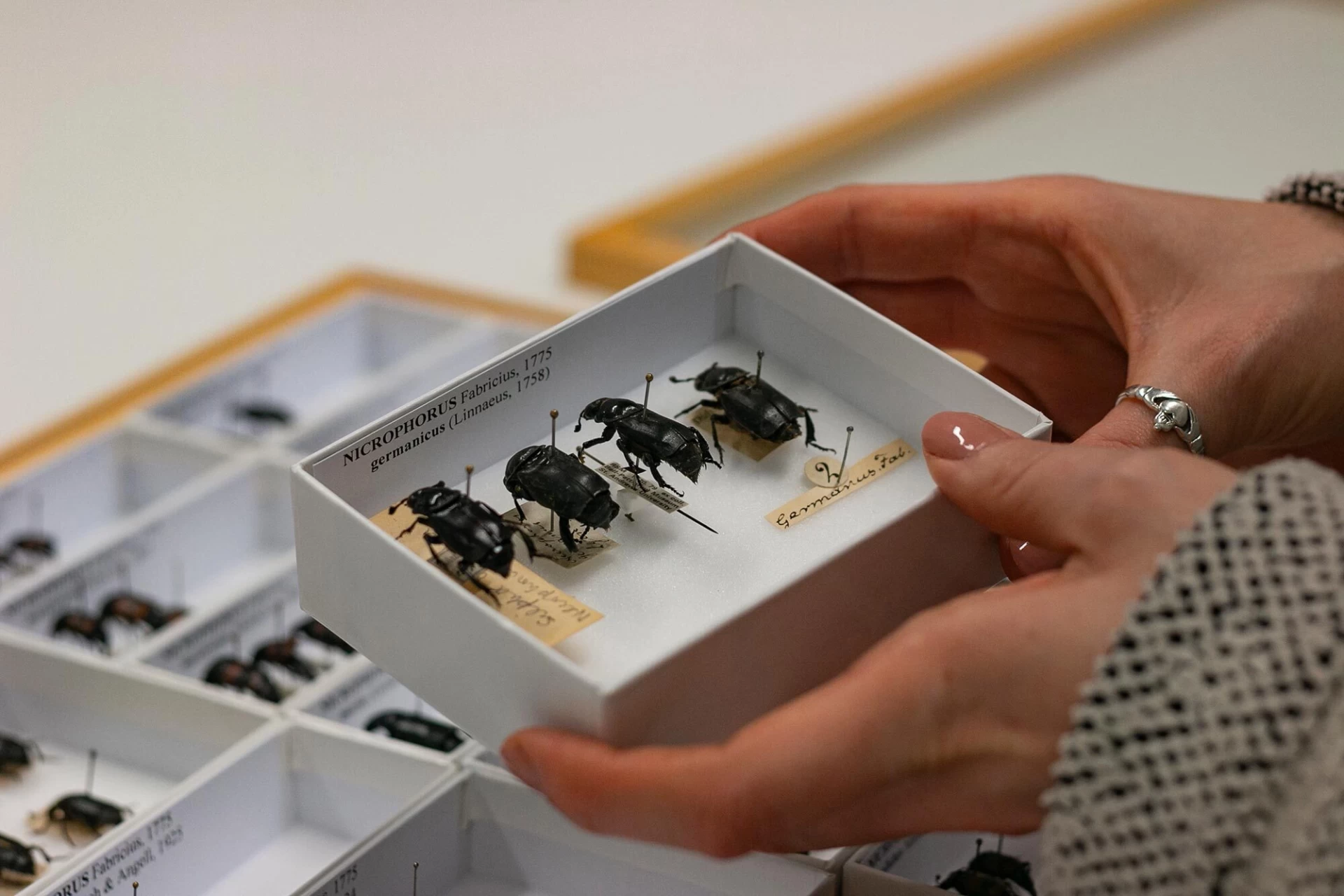
BOTANICAL SKILLS FOR ENTOMOLOGISTS
Understanding the insect–plant connection
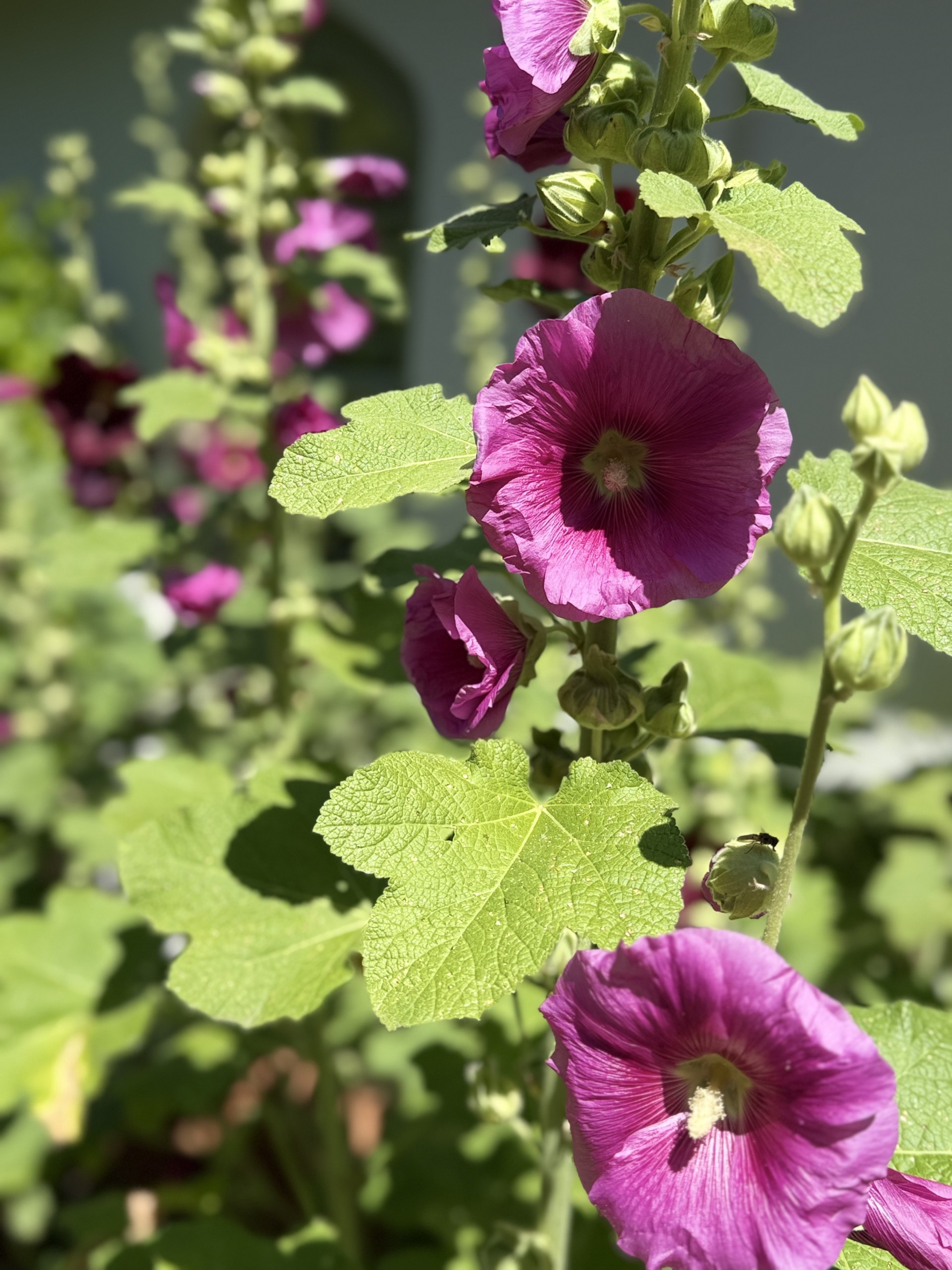
Many insects depend on specific plants for food, shelter, breeding and protection. That means the plant matters.
A poor insect record says: “Found on a leaf.” A useful record says what plant, where, when, in what habitat, and what the insect was doing.
As part of our field courses, NOMAD Outdoor Learning teaches simple botanical recording skills that support better insect identification, ecological understanding and specimen curation. This is not a botany course. It gives you the essential plant-recording skills every field entomologist needs.
WHAT YOU LEARN
You learn how to:
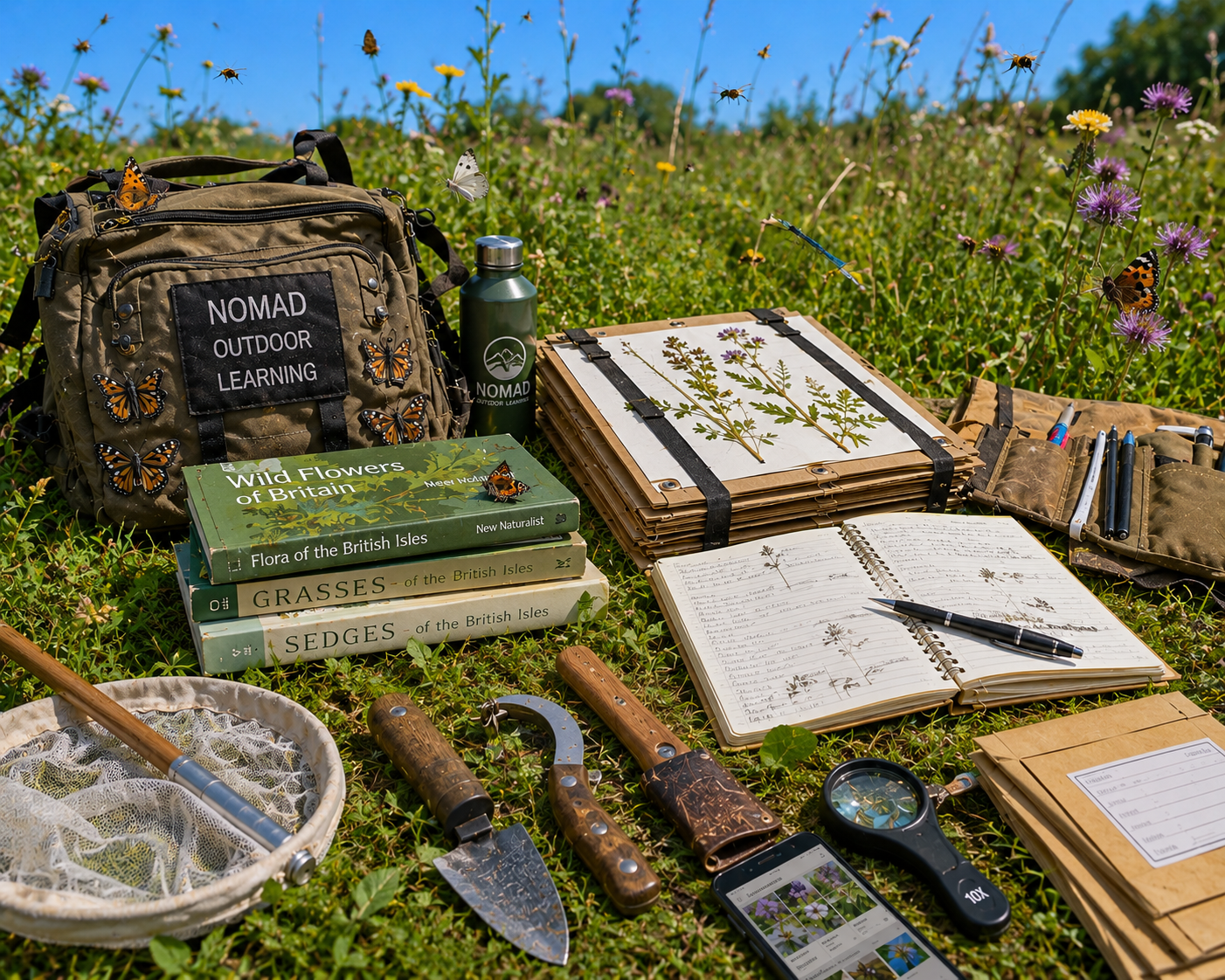
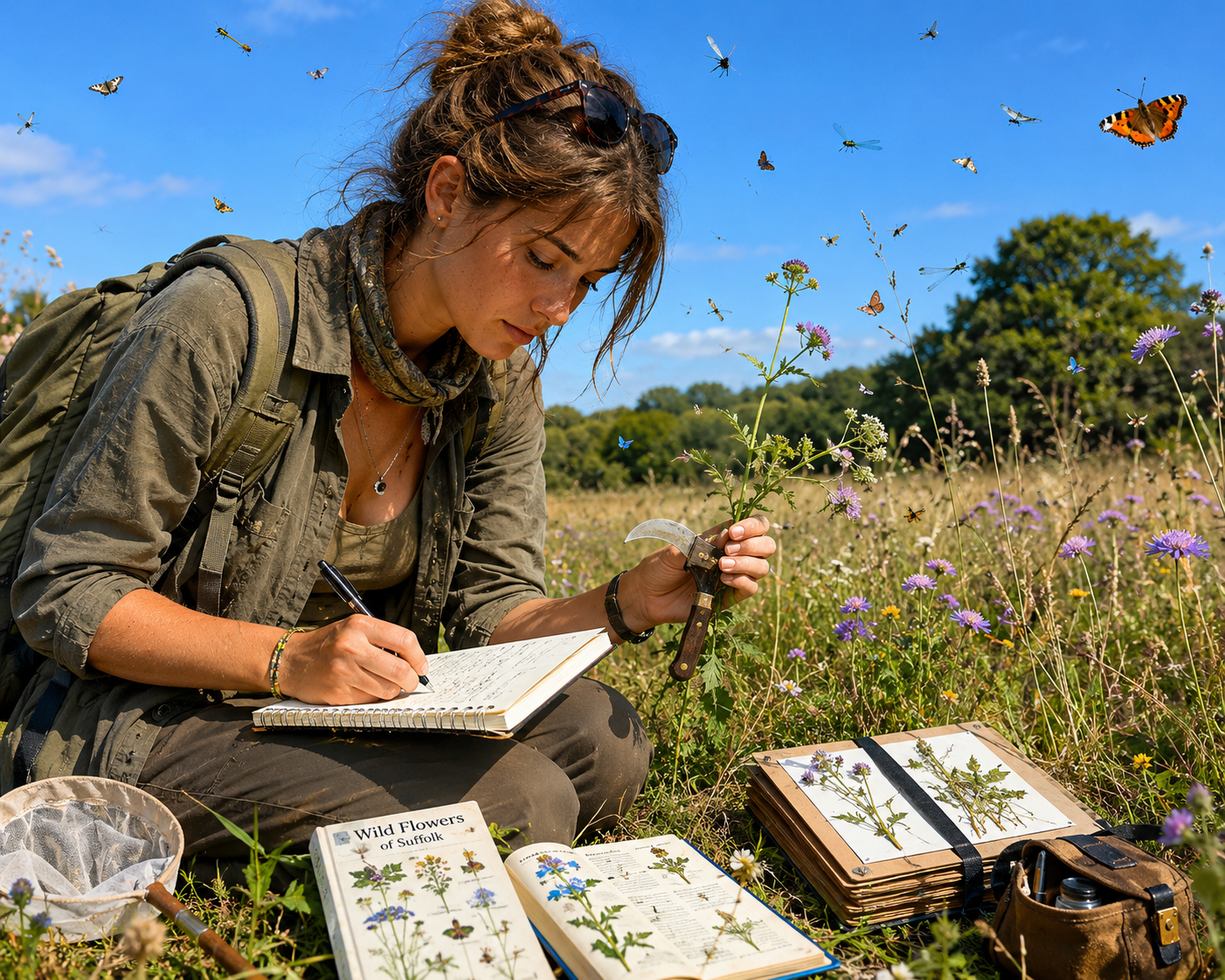
• Record the plant associated with an insect
• Use smartphone identification apps carefully
• Check plant identifications in the field
• Understand host plant associations
• Take small plant samples responsibly where appropriate
• Avoid unnecessary habitat damage
• Transport samples for later examination
• Keep plant and insect records linked
• Record date, location, habitat, collector details and associated insect data
WHY IT MATTERS
Insect identification often depends on ecological context. The plant can give vital clues about the insect’s identity, behaviour, life cycle and habitat requirements. Handled properly, the plant record strengthens the insect record. Handled badly, useful information is lost.
THE OUTCOME
You stop recording insects in isolation. You begin documenting the relationship between insect, plant and habitat. That is the difference between casual observation and proper field entomology.
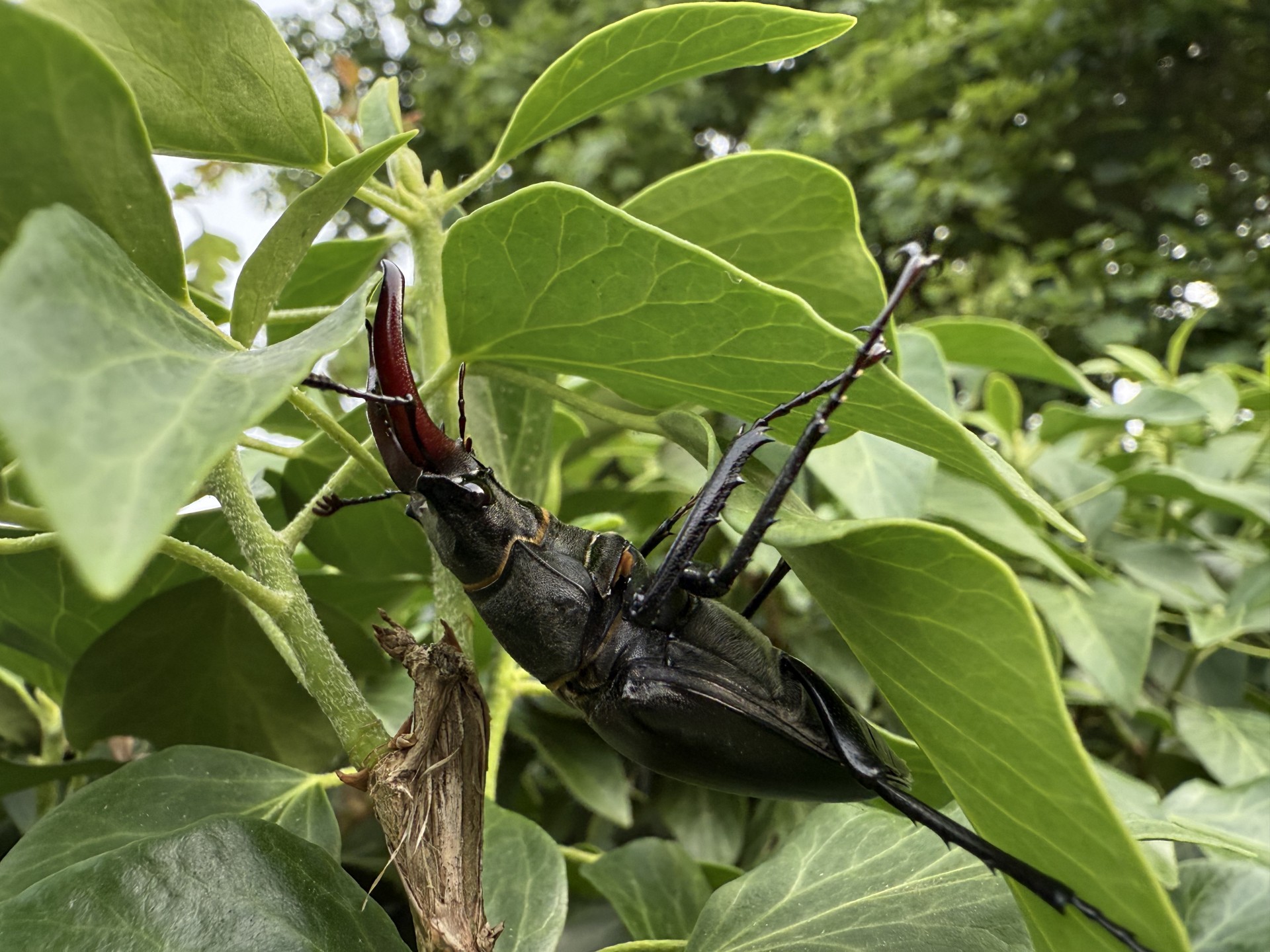
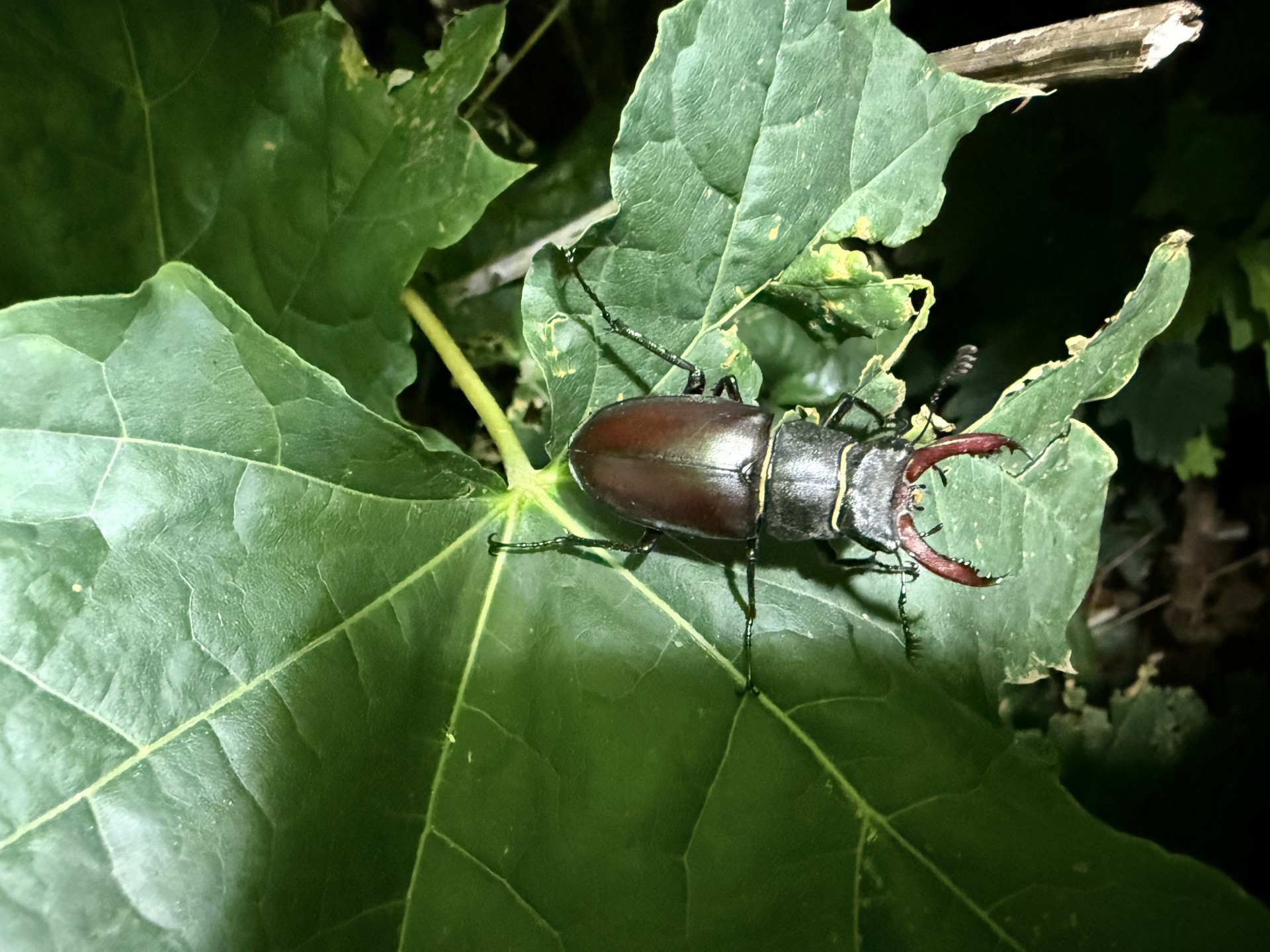
High-quality, hands-on Entomology Training that combines structured field collection, laboratory microscopy, specimen preparation and conservation context is surprisingly rare in the UK. NOMAD Outdoor Learning fills this gap — delivering rigorous, practical natural history training for people who want to do things properly, ethically and confidently.
If you are serious about developing real competence — not just interest — now is the time to act. Register for our ‘Event Update’ emails and be first to hear of Discounts and Offers, and when new digital resources go live.
Places will be limited. Standards are high. The opportunity to build genuine field skills like this does not come often.
Join us. Stay informed. Be ready.
The next chapter of your natural history journey starts here.