British Stag Beetle Field Study Course
British Stag Beetle Field Study Course
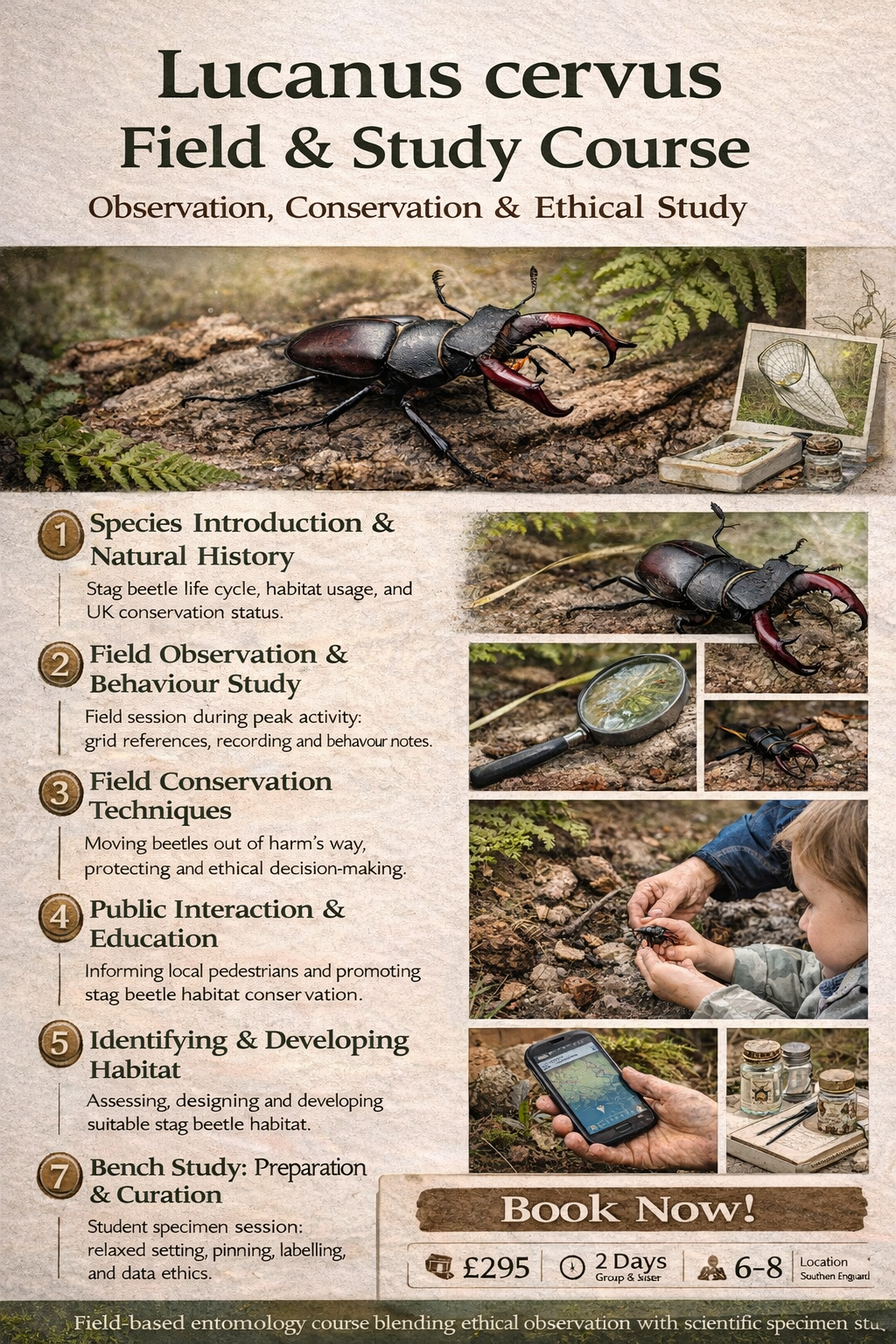
British STAG BEETLE FIELD STUDY COURSE
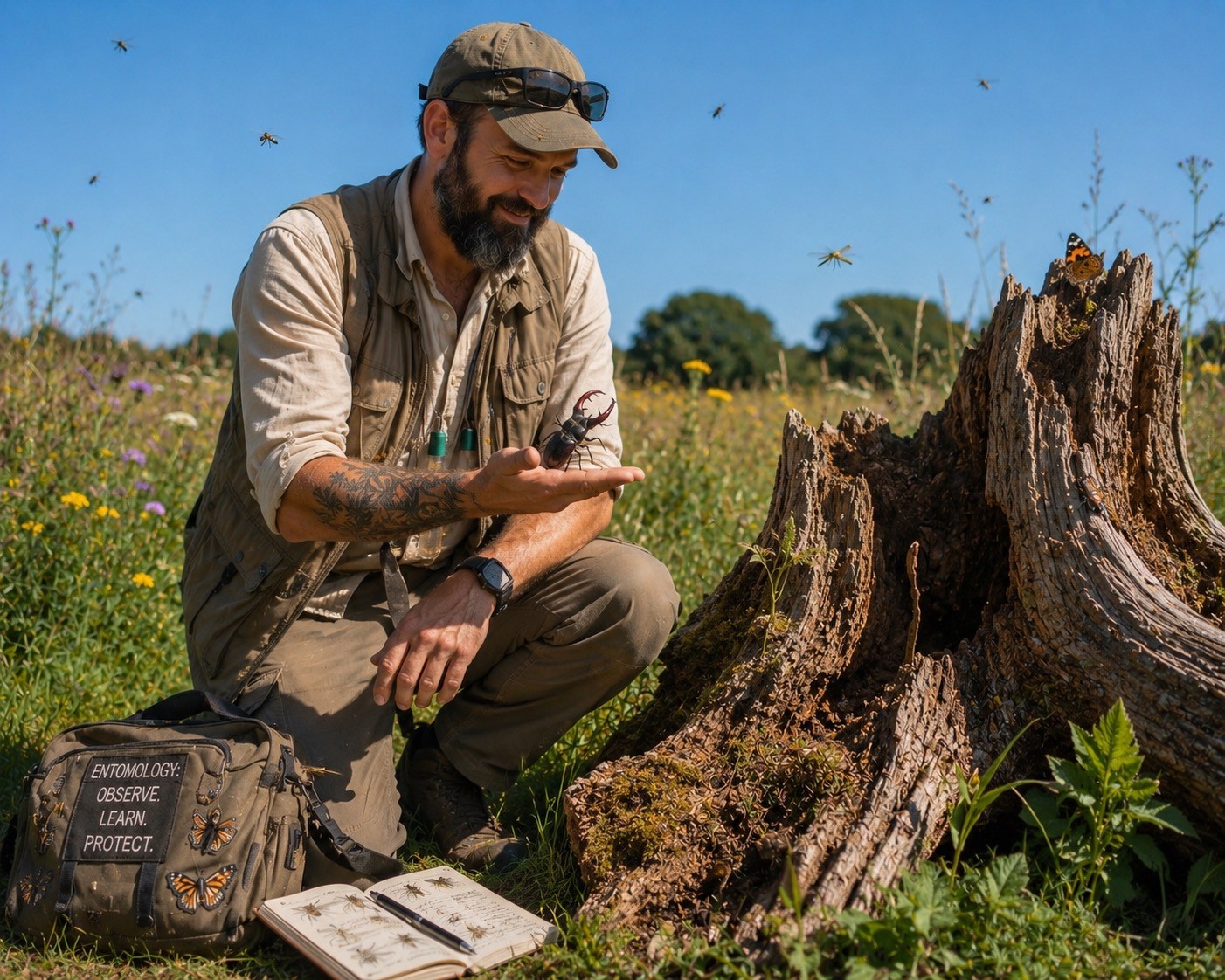
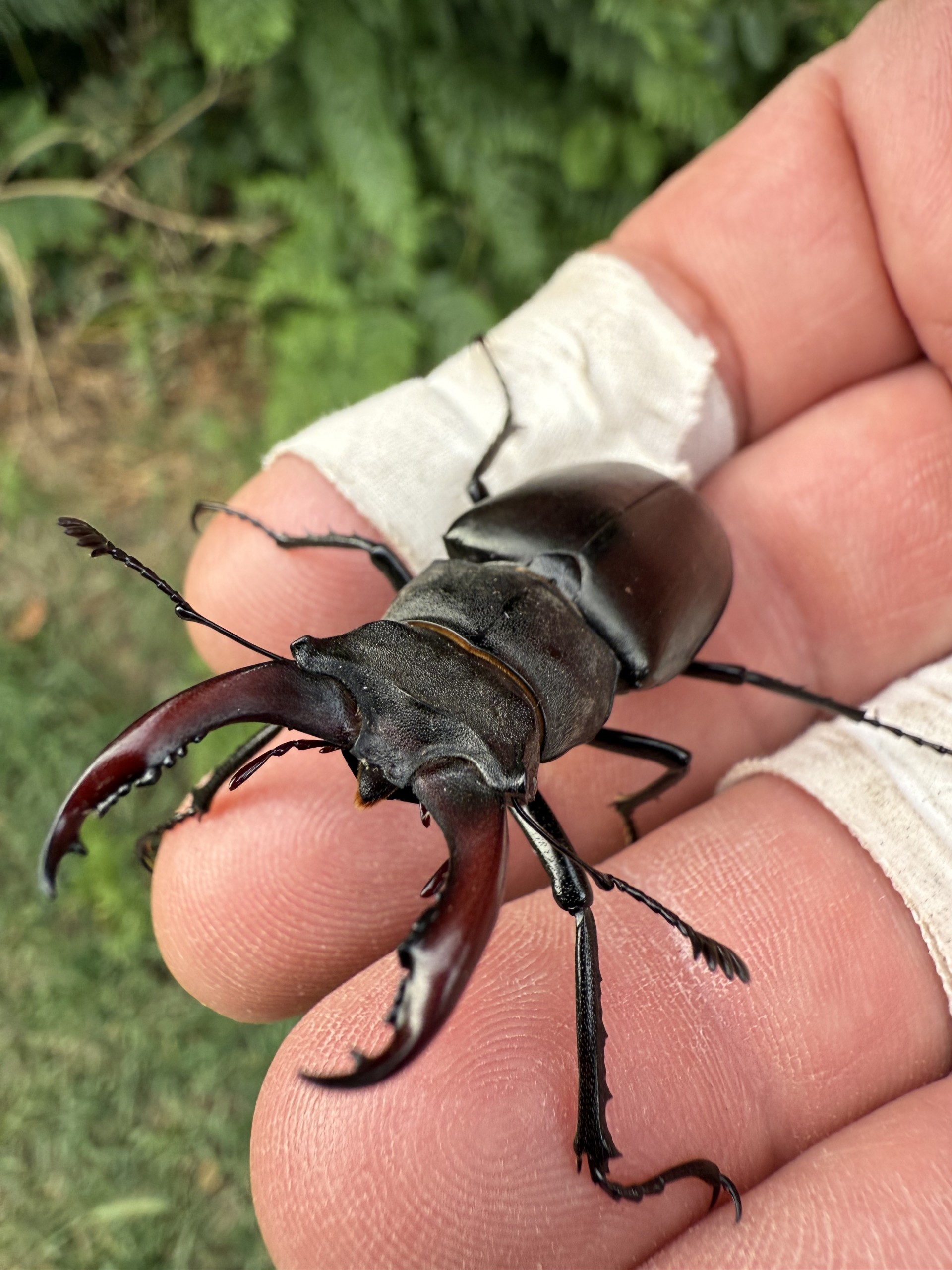
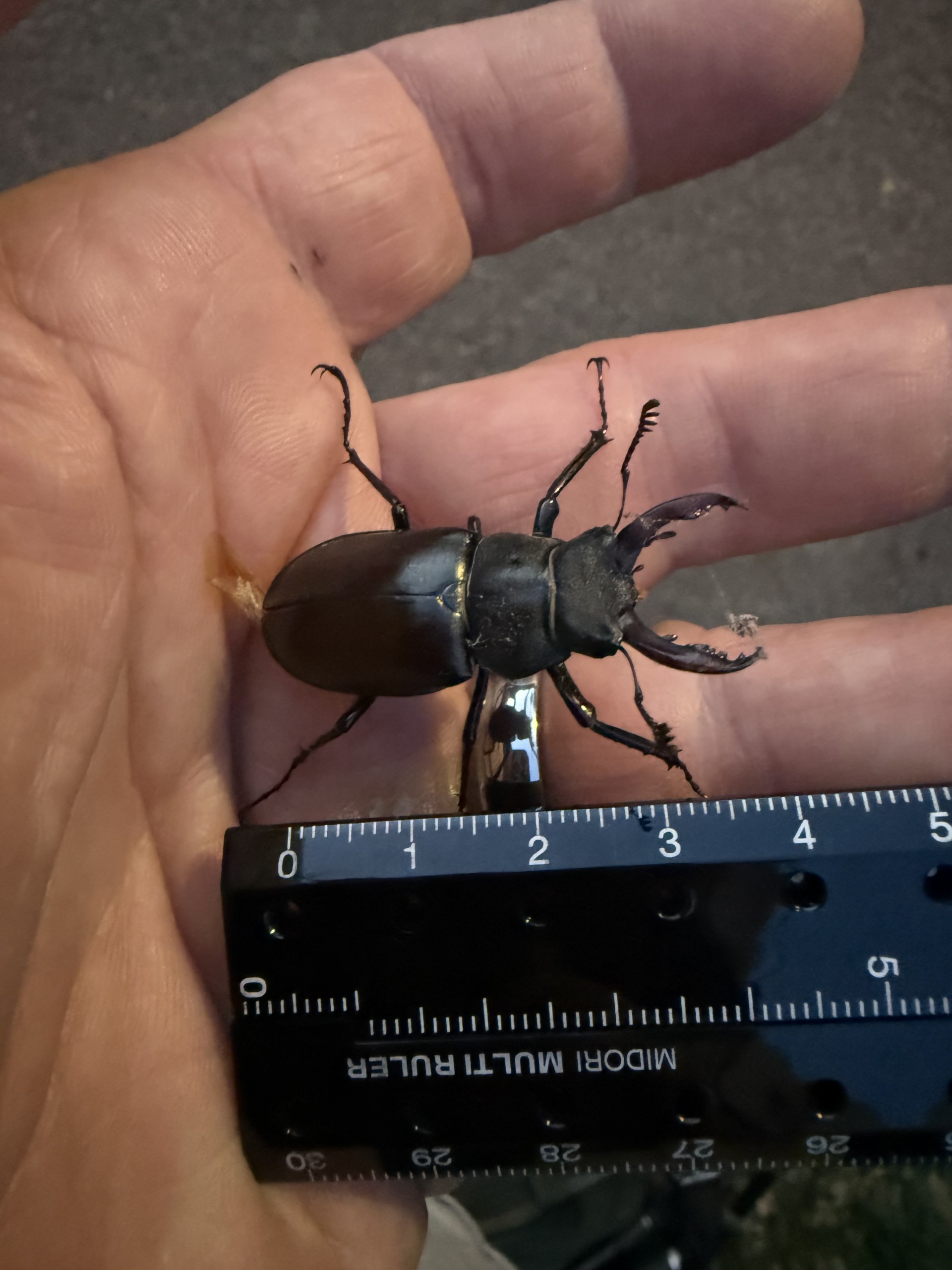
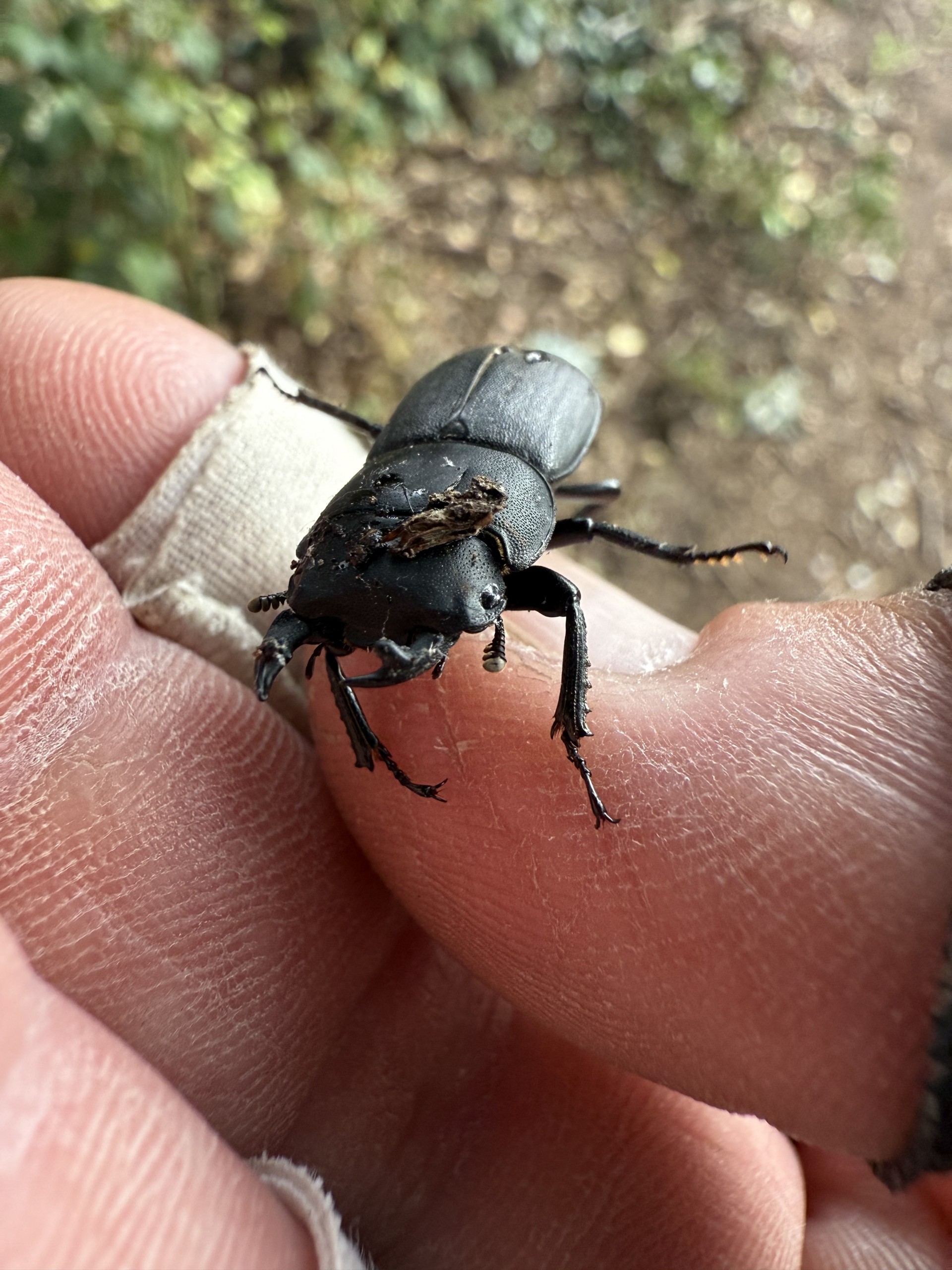
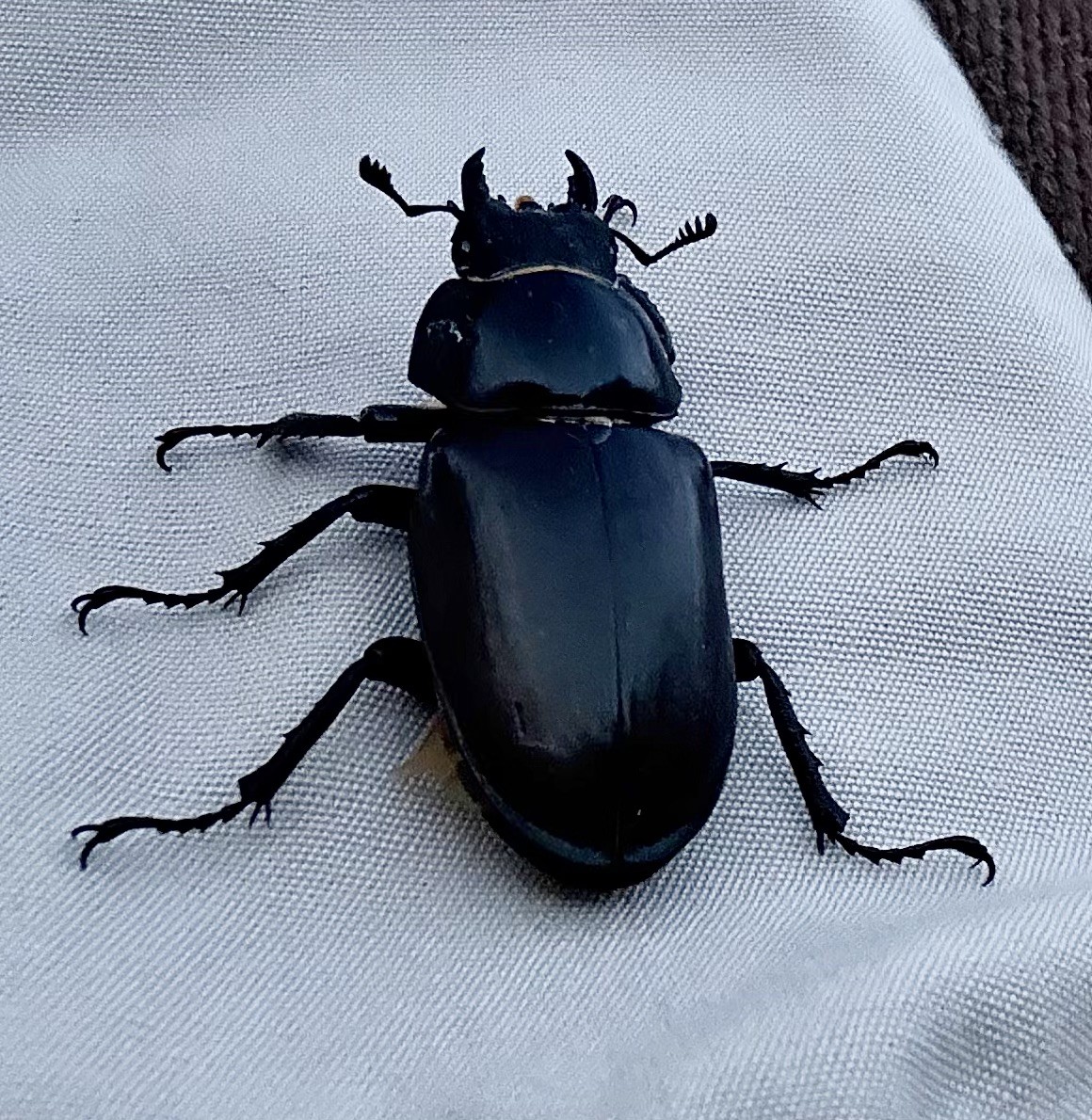
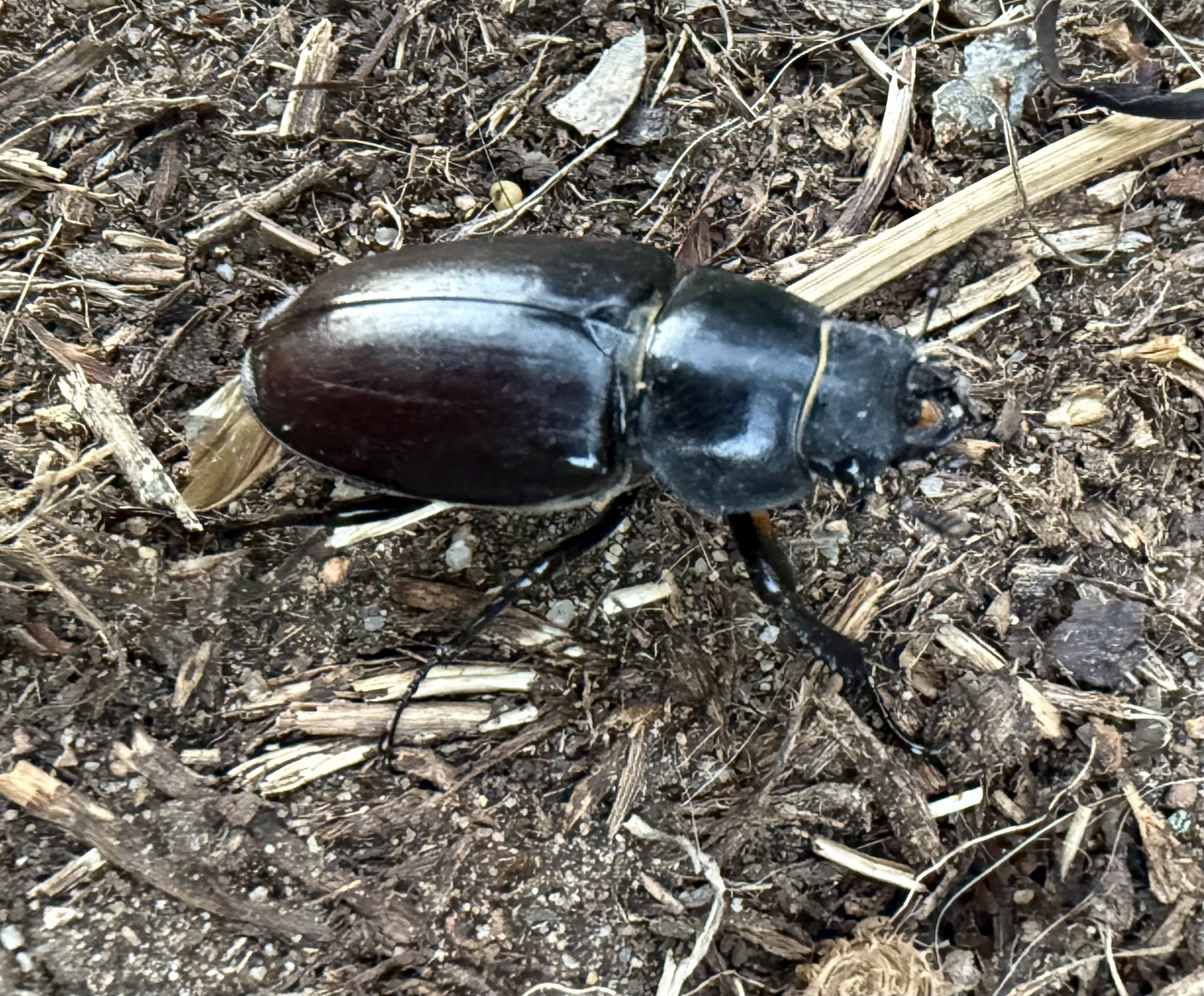
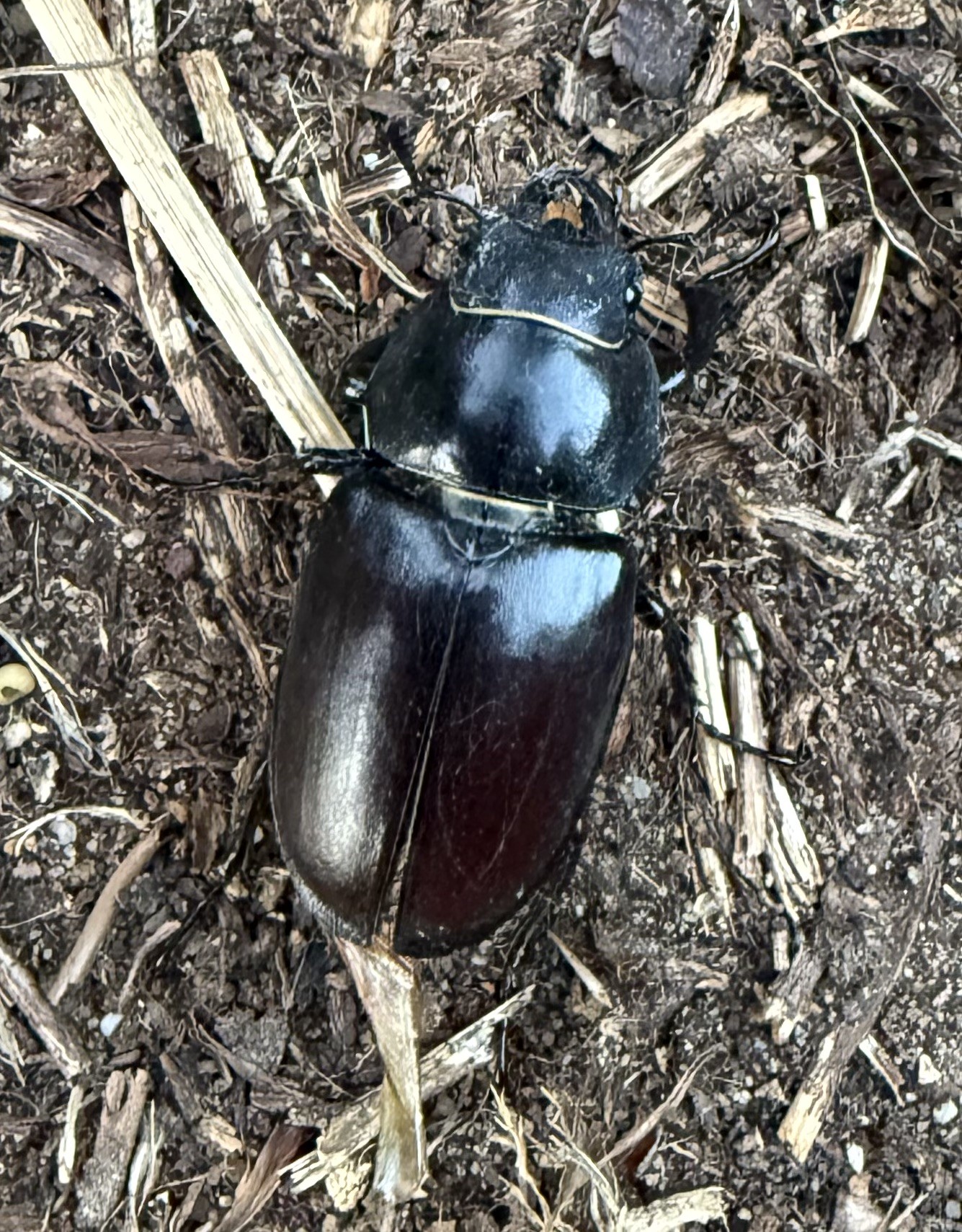
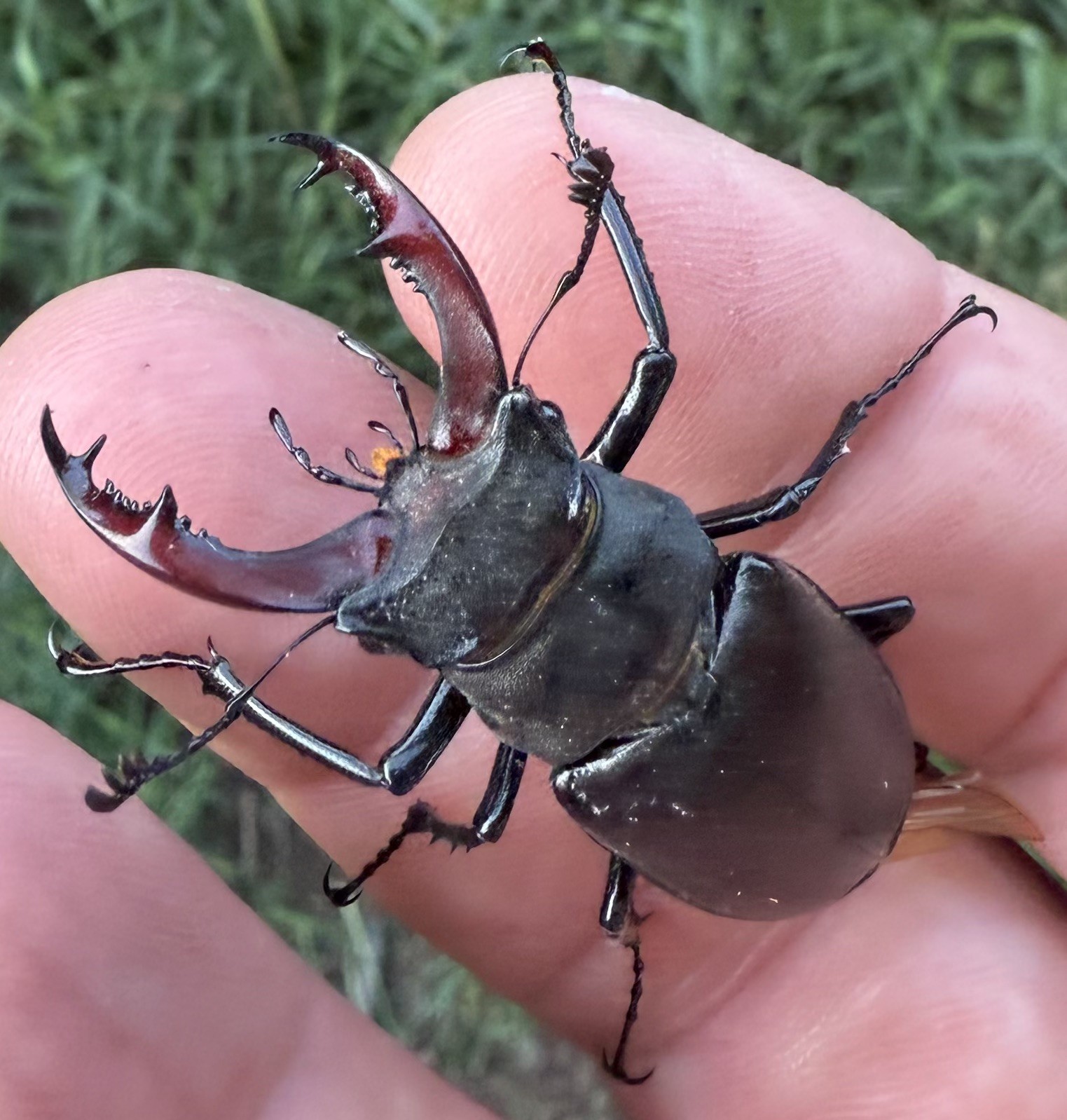
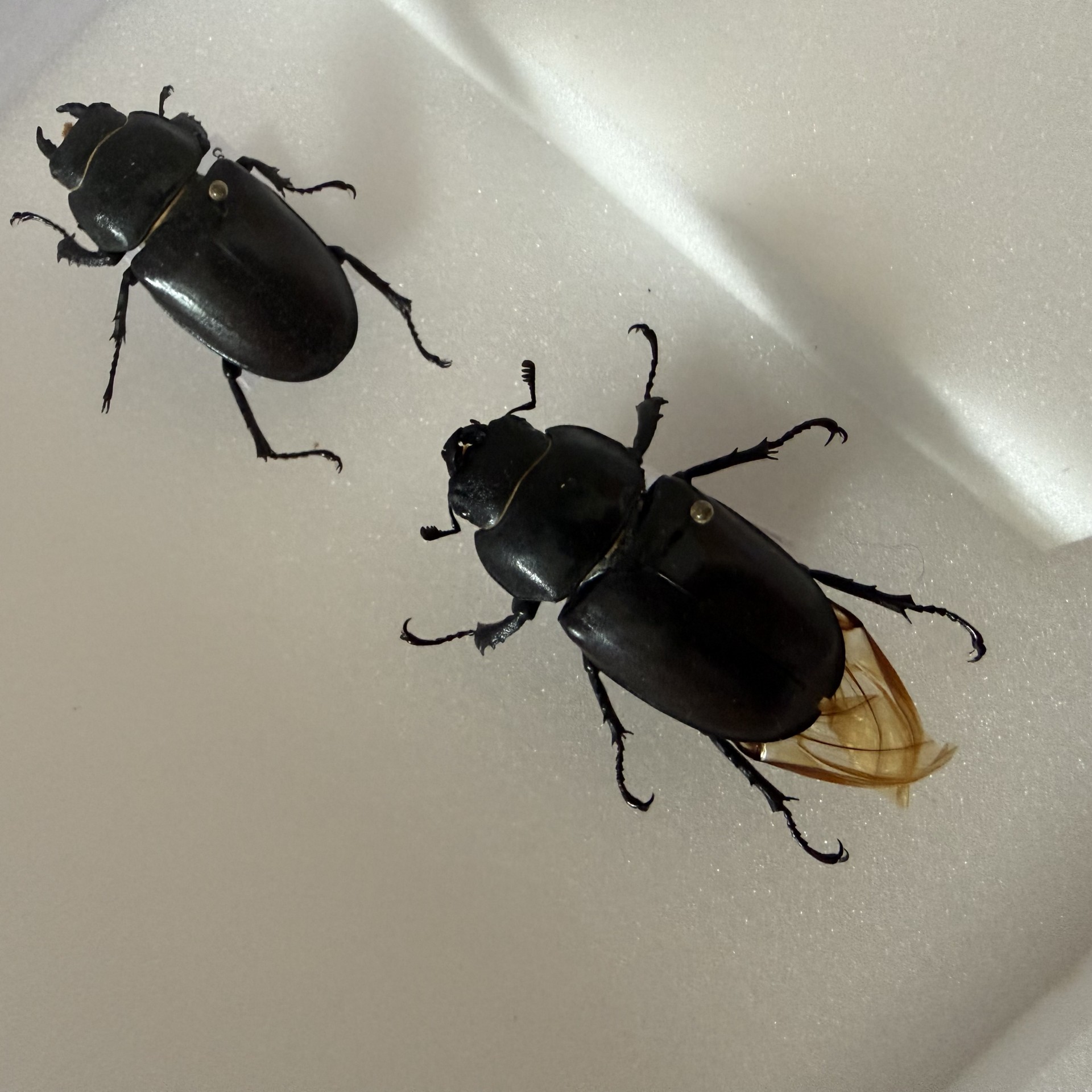
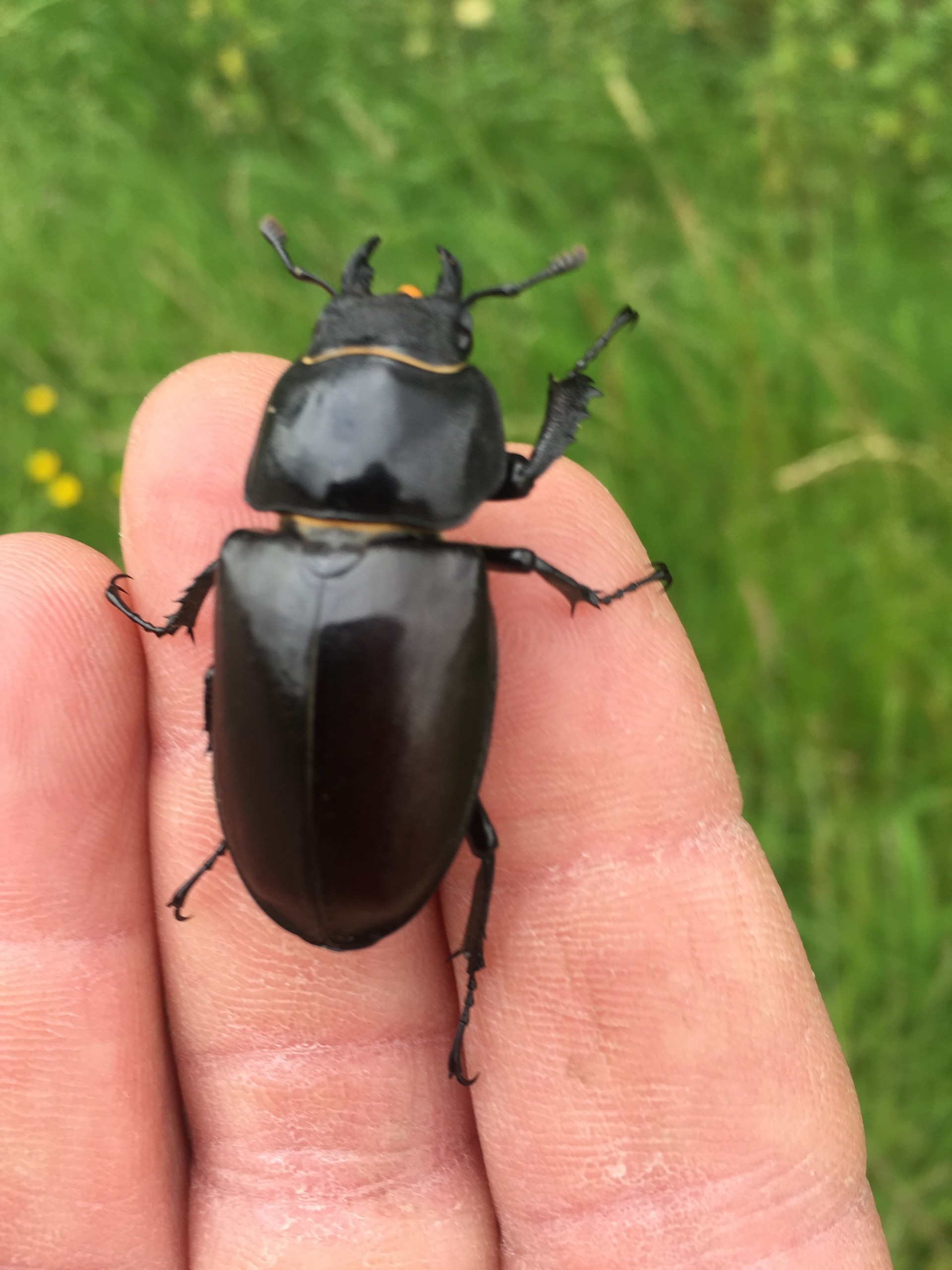
An immersive field study course dedicated entirely to Lucanus cervus, the iconic British Stag Beetle.
SPECIAL OFFER £79 (20% Saving till 1 July '26)
There are currently no dates scheduled for this event. Please telephone 01473 - 375 026 for available dates for this event.
Live Conservation in Action
An immersive evening field course dedicated entirely to Stag Beetle, Britain’s most iconic and legally protected beetle.
This unique conservation-led programme places students directly into active stag beetle habitat during peak adult activity hours, offering the rare opportunity to observe, handle, record, and protect live specimens in real time under expert guidance.
Rather than studying preserved insects in a classroom, students become part of genuine field conservation work on the ground — contributing valuable ecological observations while learning responsible, ethical engagement with one of the UK’s most fascinating insects.
This is not simply a wildlife walk or identification session. It is a hands-on evening immersion into the hidden world of stag beetles at the precise time they emerge, fly, compete, mate, and interact with their environment.
No kill jars or collecting of live specimens are used at any point during this programme.
Duration: One Afternoon & Evening Session (1 pm – 9 pm)
Ideal Group Size: 4-6 students
Location: Suffolk, England within the known stag beetle range
Season: Late May – July (peak adult activity)
Students Should Bring
- Field notebook
- Pen or pencil
- Smartphone (for photographs & grid references)
- Weather-appropriate outdoor clothing
- Torch/headtorch
1. Introduction to Stag Beetles & Their Ecology
Students will develop a practical understanding of:
- Life cycle and development
- Larval dependence on decaying hardwood
- Adult behaviour and feeding ecology
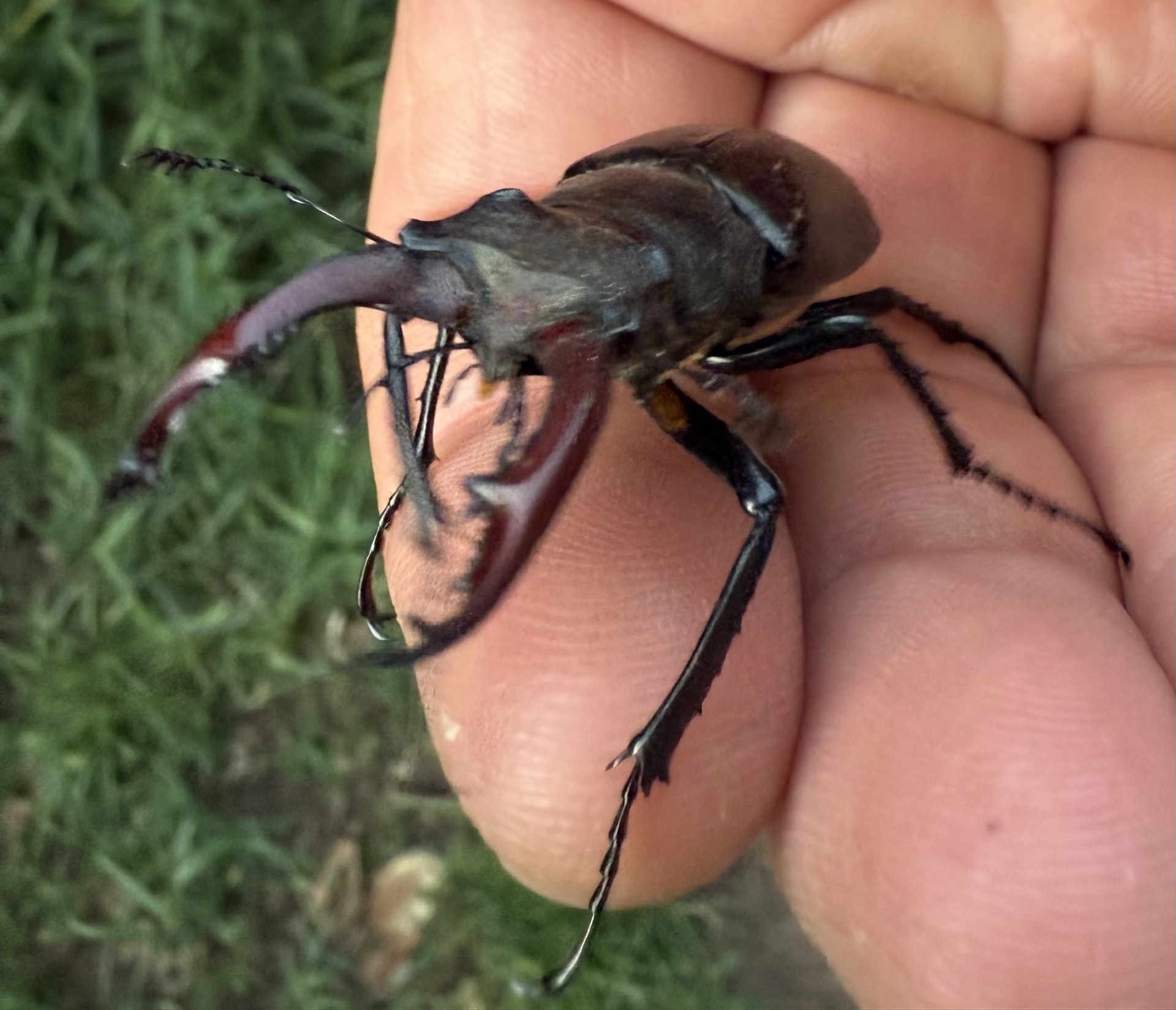
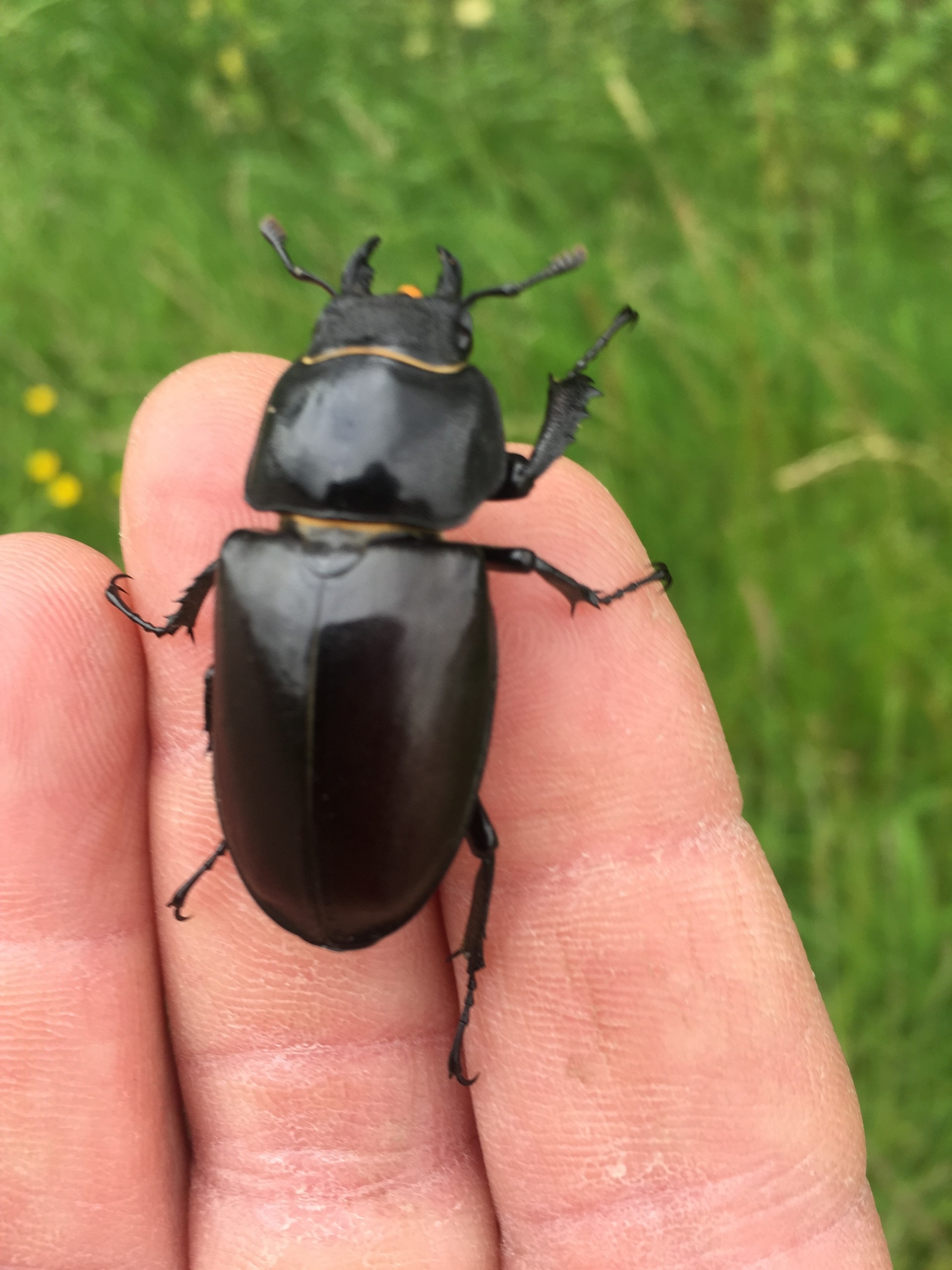
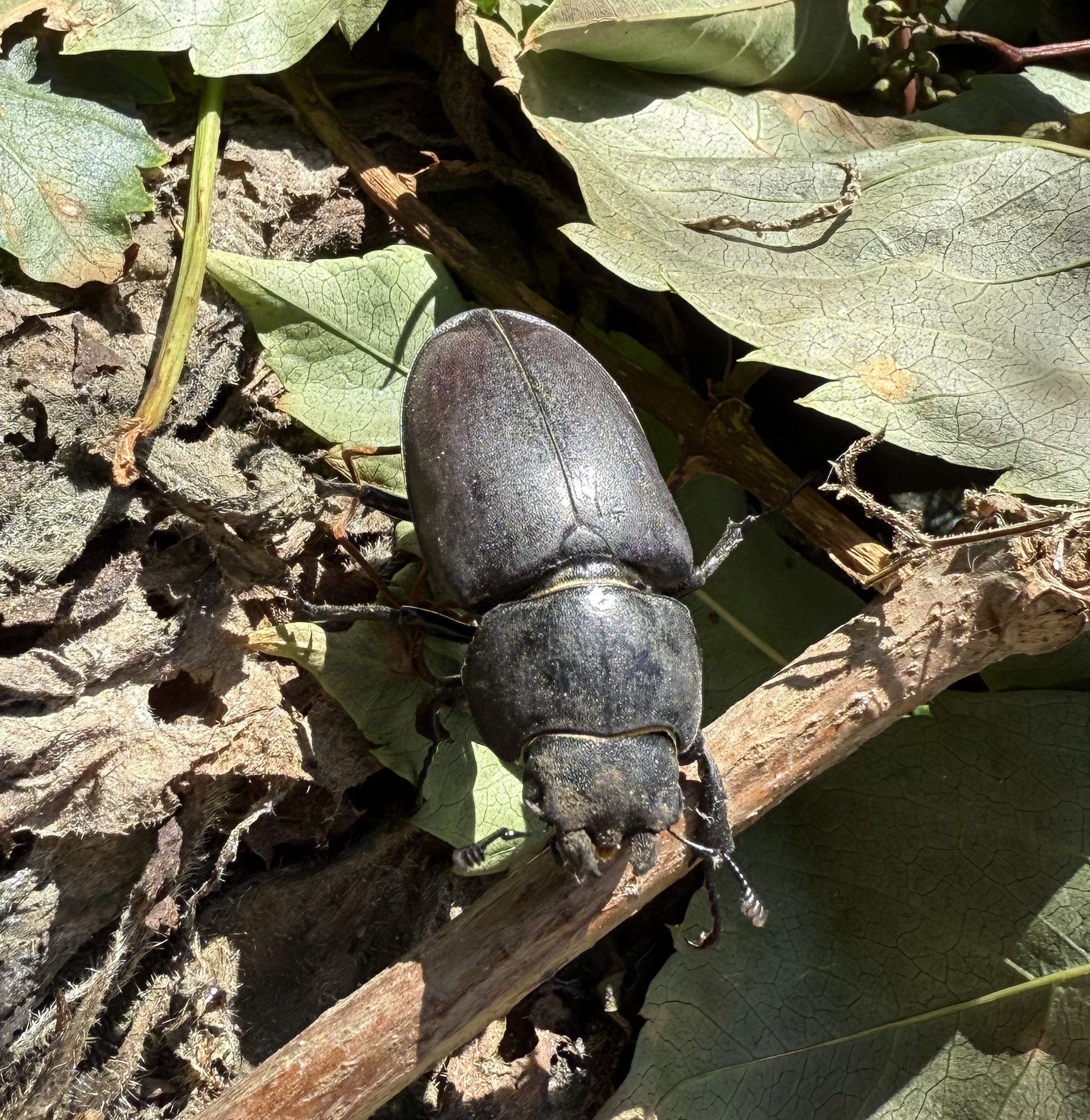
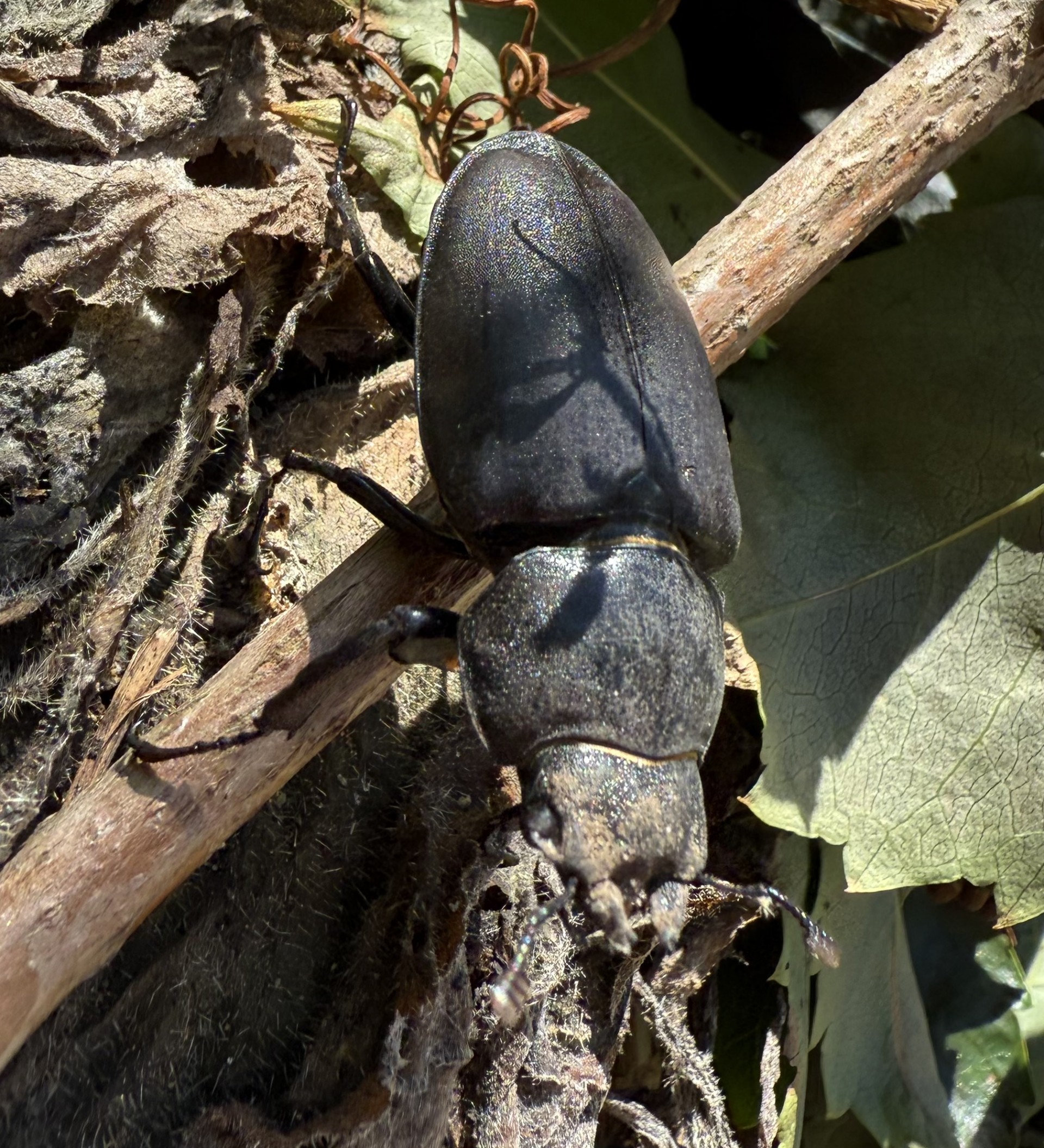
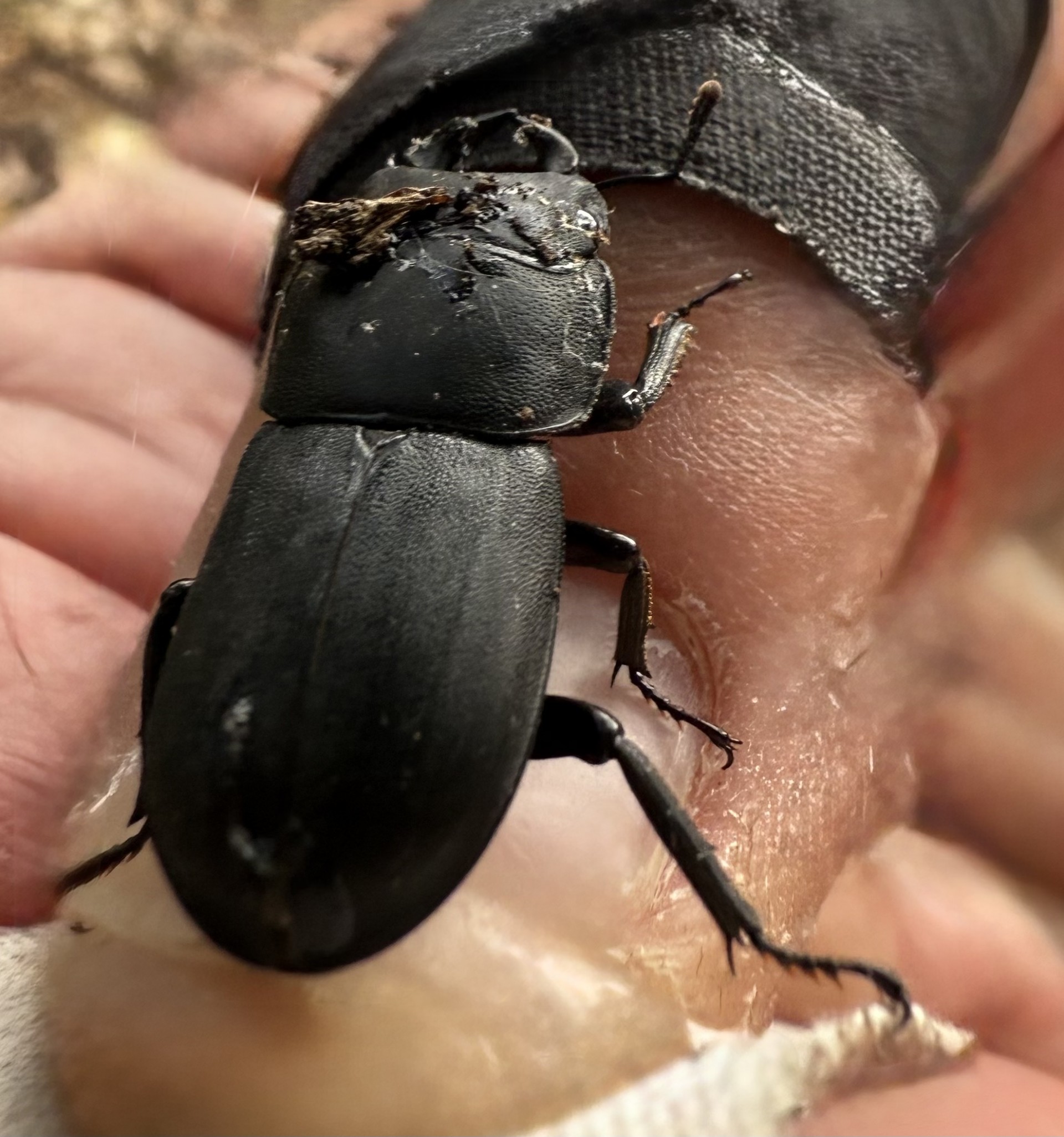
- Sexual dimorphism and identification of males vs females
- Breeding behaviour and territorial competition
- Habitat requirements in woodland and urban environments
- Conservation status in Britain
- Legal protection and ethical considerations
The course focuses heavily on understanding the ecological importance of deadwood habitats and the growing conservation significance of urban populations.
2. Evening Field Observation Session
The core of the course takes place during the evening flight period when adult stag beetles become active.
Students will learn to:
- Observe and identify males and females in flight
- Safely handle live specimens with minimal stress
- Recognise behavioural patterns and peak activity windows
- Understand temperature, humidity, and dusk timing influences
- Observe mating behaviour and territorial interactions
- Photograph specimens responsibly in low-light conditions
- Record ecological observations accurately in the field
Students may encounter:
- Flying males at canopy height
- Females moving across the ground searching for breeding sites
- Territorial encounters between males
- Mating pairs in natural habitat
This provides a rare opportunity to experience one of Britain’s most extraordinary insect spectacles firsthand.
3. Live Conservation & Ethical Field Stewardship
A major focus of the programme is active conservation intervention in real-world public environments.
Students will learn how to:
- Move vulnerable beetles safely away from roads and footpaths
- Protect individuals from accidental trampling or bird predation
- Assist mating pairs into safer nearby habitat when appropriate
- Recognise when intervention is beneficial — and when it is not
- Minimise stress during handling and observation
Participants become temporary field stewards, contributing directly to the welfare and protection of local stag beetle populations during the session itself.
4. Structured Recording & Real-Time Conservation Data
Students will contribute genuine ecological observations while learning professional biological recording methods.
Field data may include:
- Date and time
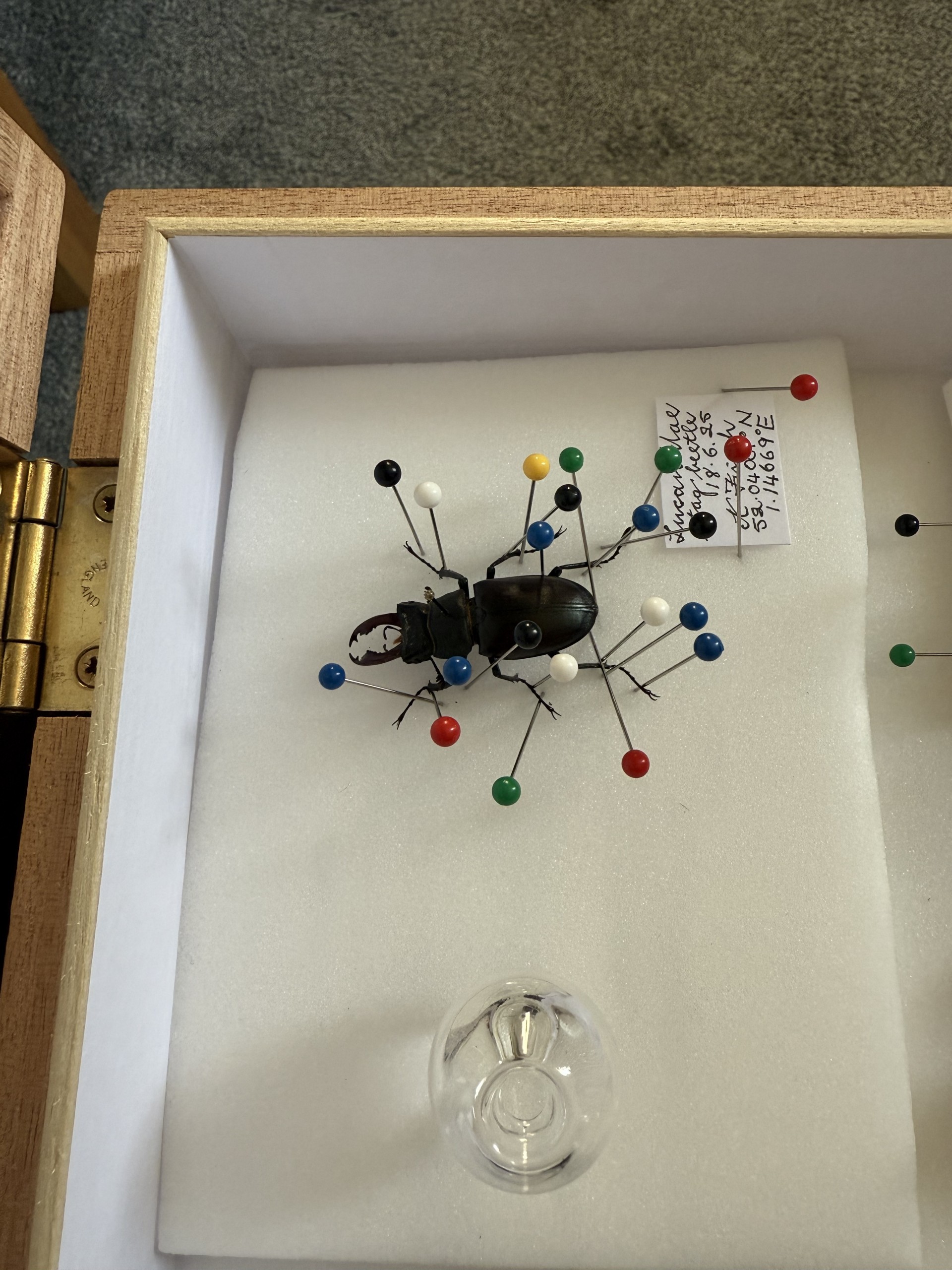
- Grid reference/location
- Weather conditions
- Habitat type
- Number of individuals observed
- Behaviour recorded
- Sex ratio (where possible)
Students will also learn:
- Responsible data submissionEthical sharing of sensitive species information
- The conservation value of local recording schemes
- How public observations contribute to national understanding of species distribution
5. Public Engagement & Conservation Communication
Because stag beetles are highly visible in urban environments, students will also develop skills in public interaction and conservation education.
Topics include:
- Explaining stag beetle ecology to members of the public
- Correcting common myths and misconceptions
- Promoting deadwood conservation in gardens
- Encouraging habitat creation and wildlife-friendly practices
- Communicating conservation calmly and confidently
This element builds both ecological understanding and practical public engagement skills.
6. Habitat Recognition & Conservation Awareness
Students will learn to identify and assess suitable stag beetle habitat in the field, including:
- Deadwood zones and breeding habitat
- Suitable larval substrate
- Moisture and sun exposure conditions
- Woodland edge environments
- Urban garden potential
- Log pile and habitat stack design principles
This practical habitat awareness allows students to apply conservation principles within their own gardens, communities, or local projects.
Learning Outcomes
By the end of the course, students will:
- Confidently identify and observe Stag Beetle in the field
- Safely and ethically handle live specimens when necessary
- Understand real-world conservation intervention techniques
- Record valuable ecological observations accurately
- Engage the public confidently about insect conservation
- Recognise and assess suitable stag beetle habitat
- Understand the national importance of local conservation recording
Why This Course Is Unique
Very few entomology courses offer direct, supervised interaction with live protected beetles during peak evening activity.
This programme is uniquely:
- Conservation-led
- Ethical and welfare-focused
- Field-based and immersive
- Scientifically grounded
- Public-facing and practical
- Built around real-time ecological contribution
You don't simply watch nature passively. You become active participants in the observation, protection, and conservation of one of Britain’s most remarkable insects — gaining unforgettable field experience while contributing meaningfully to conservation on the ground.
Location
Kesgrave, Suffolk
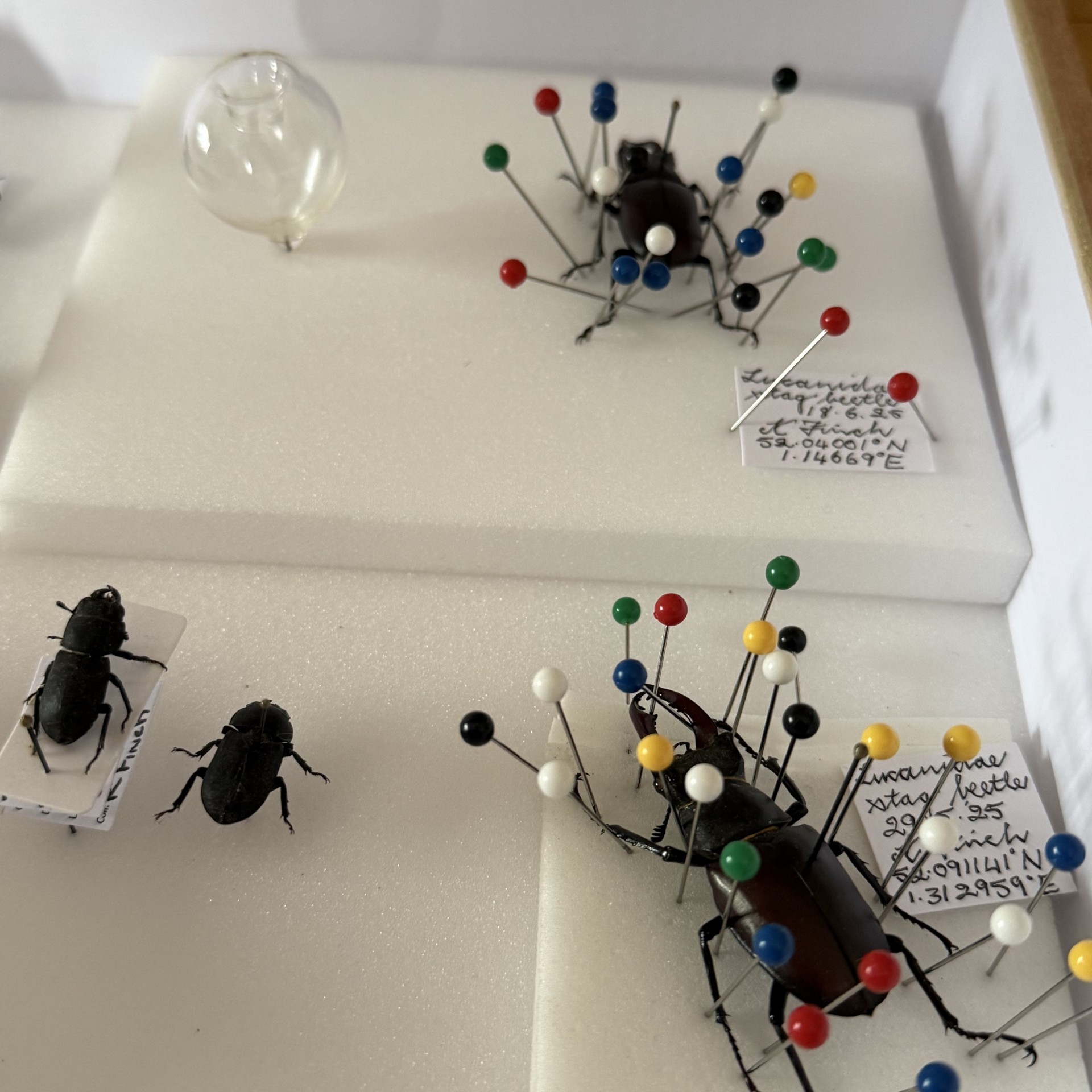
Basic collection equipment is provided (nets, jars, forceps) + bench materials (pins, cards et cetera).
On site.
What Students Must Bring
- Field notebook
- Hand lens (recommend 10x)
- Reading glasses, if necessary
- Outdoor clothing & sun protection
- Gloves (for moving dead wood)
- Packed lunch & drinks
This is a conservation-led course. No kill jars will be used, except where humane euthanasia is necessary for an obviously dying specimen.
Tea, coffee & biscuits are available for the afternoon classroom session.
There will be no collection (killing) of healthy specimens.