Field Entomology Skills: Survey, Collection & Recording.
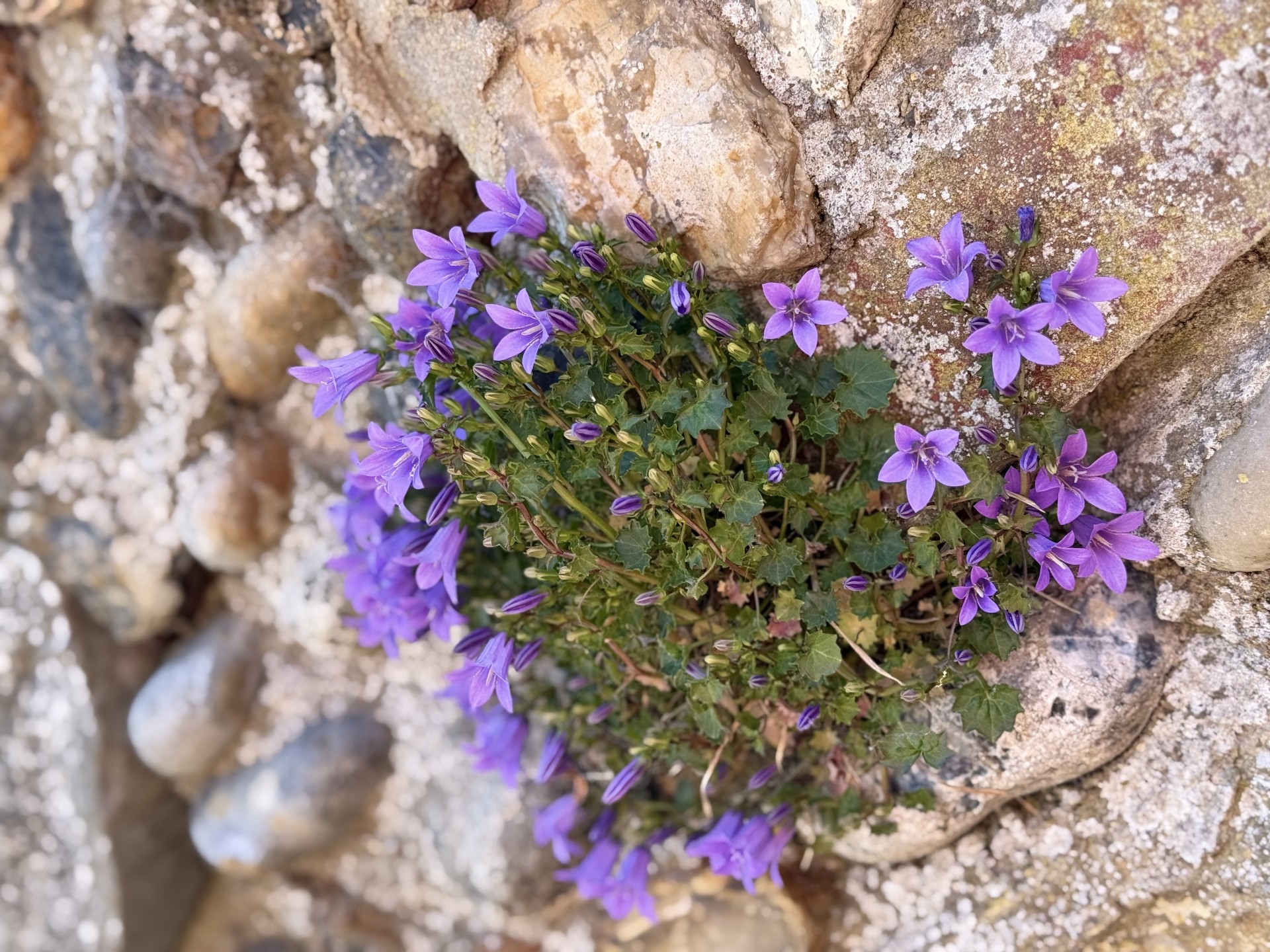
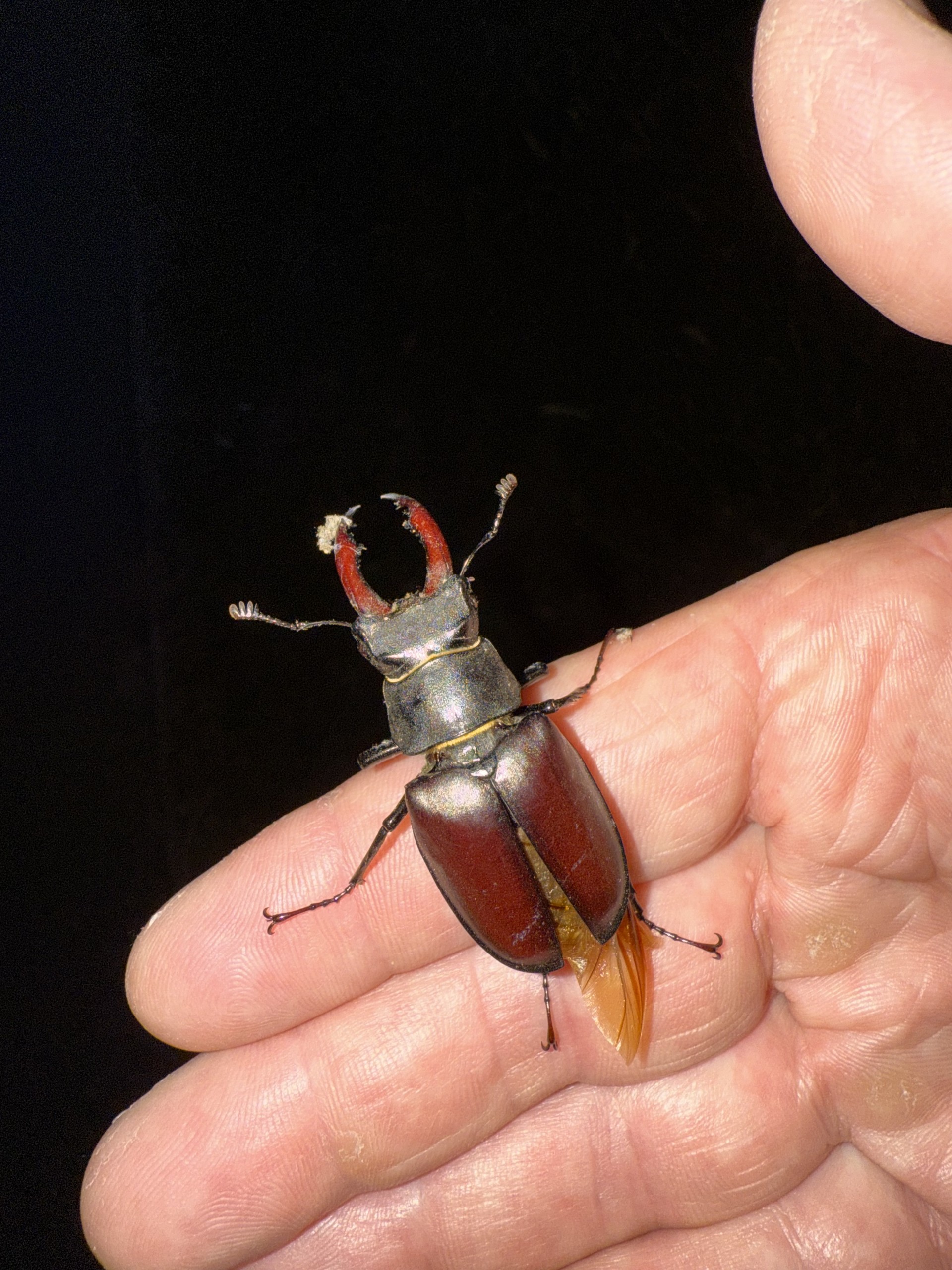
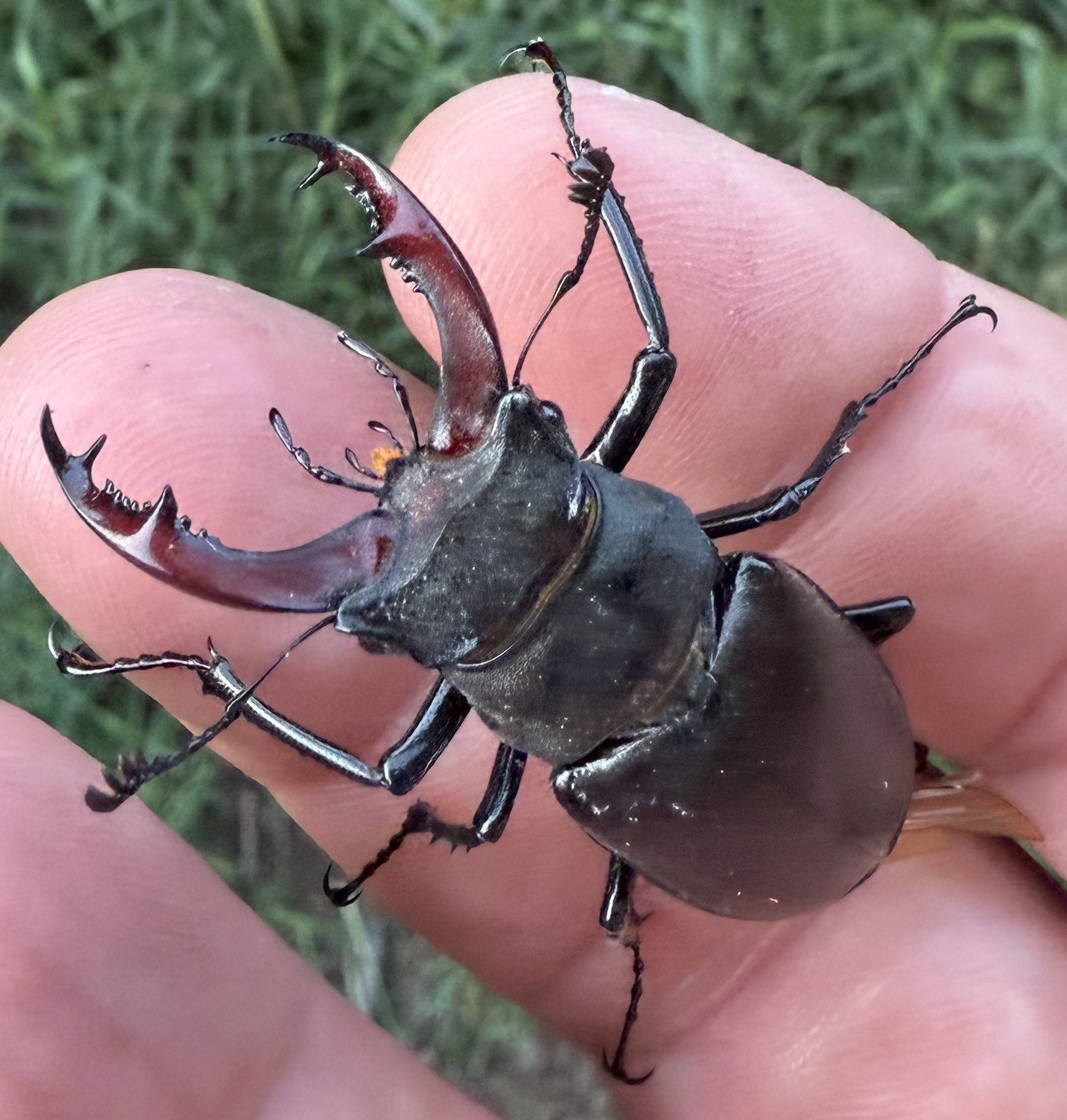
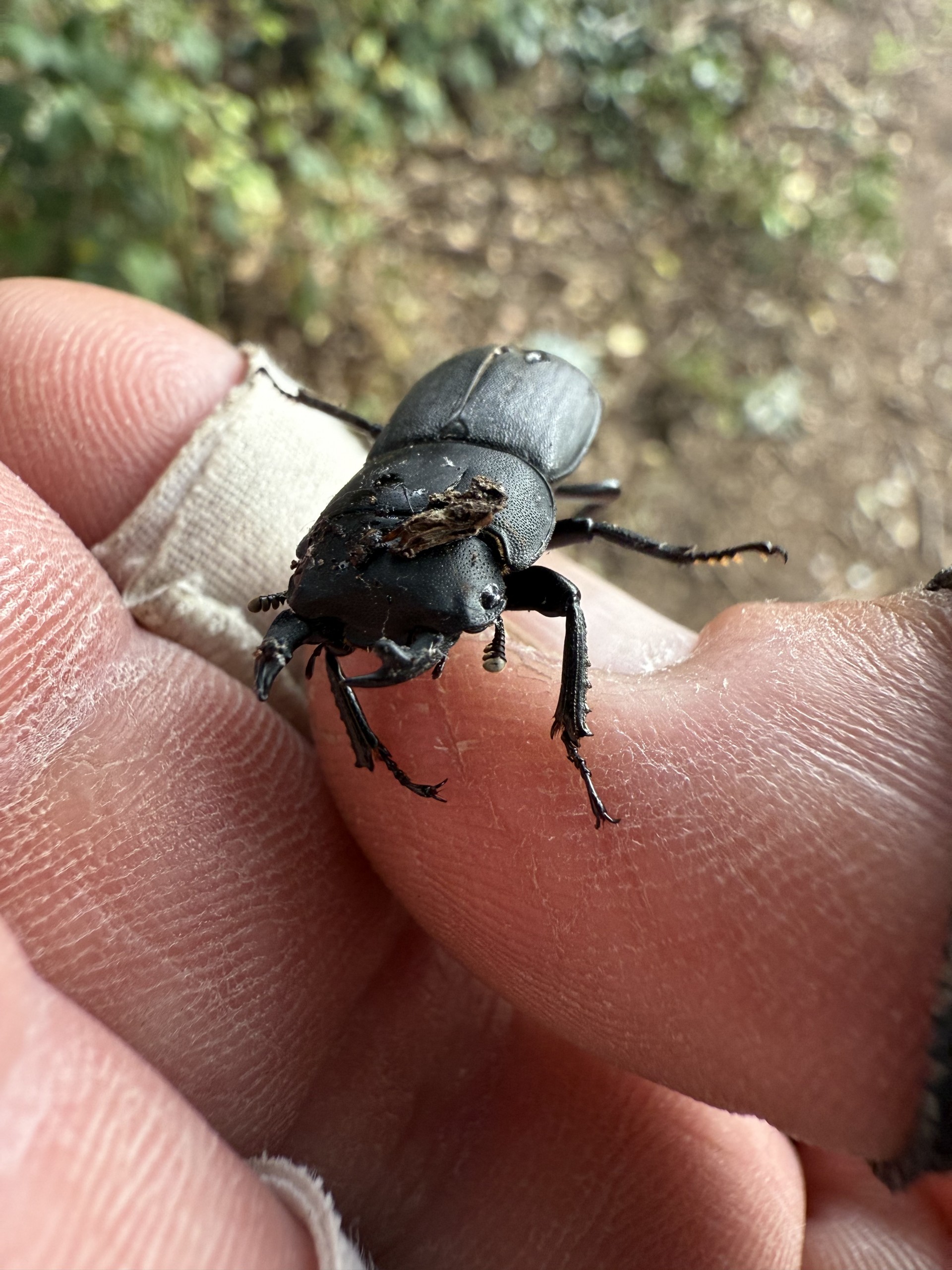
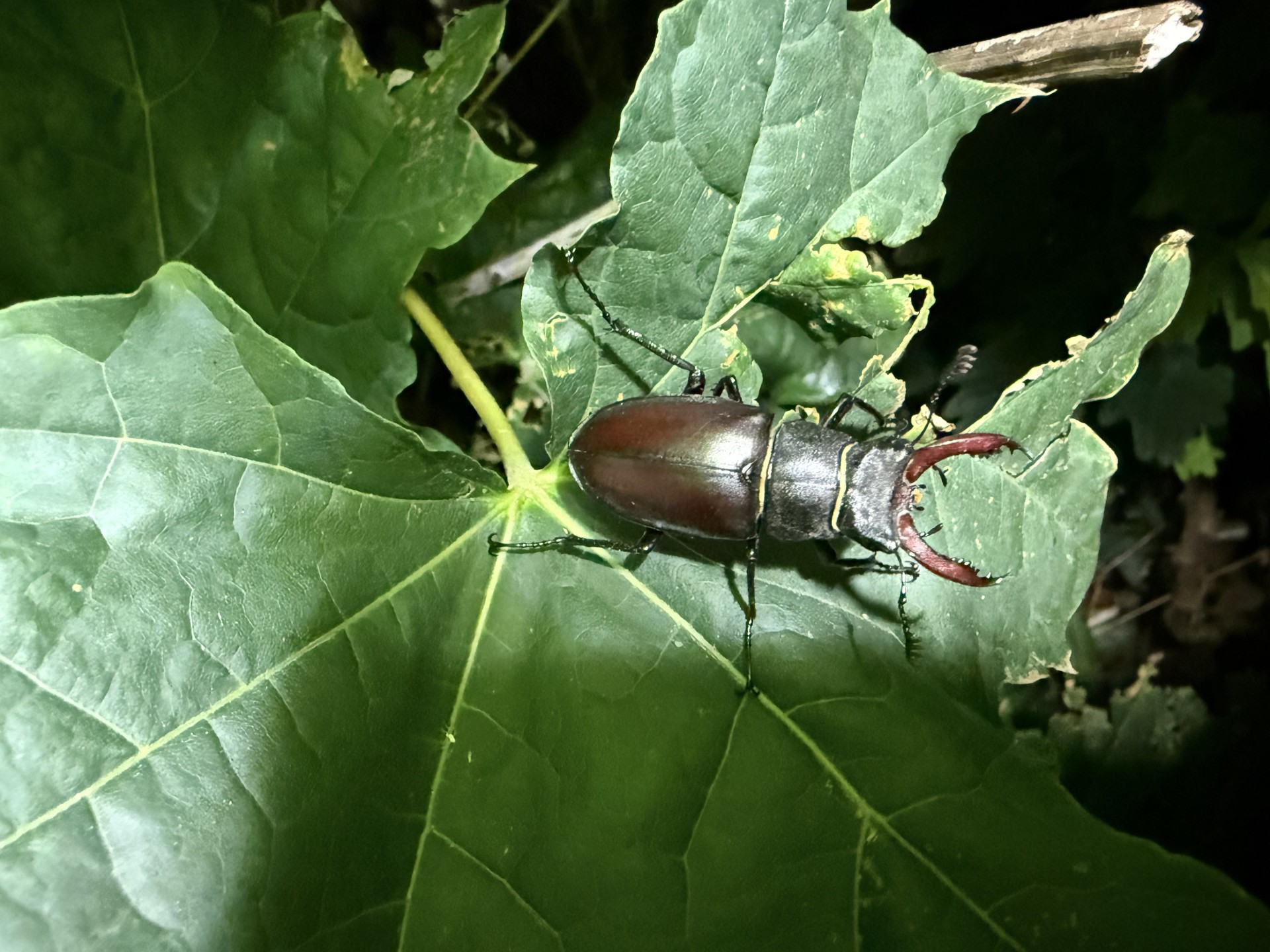
Field Entomology Skills: Survey, Collection & Recording.
A practical 2-day field entomology course for beginners and developing naturalists.
Practical Field Entomology
A 2-Day Field Skills Course for Insect Survey, Observation and Ethical Collection
Move beyond casual insect spotting and learn how to work properly in the field.
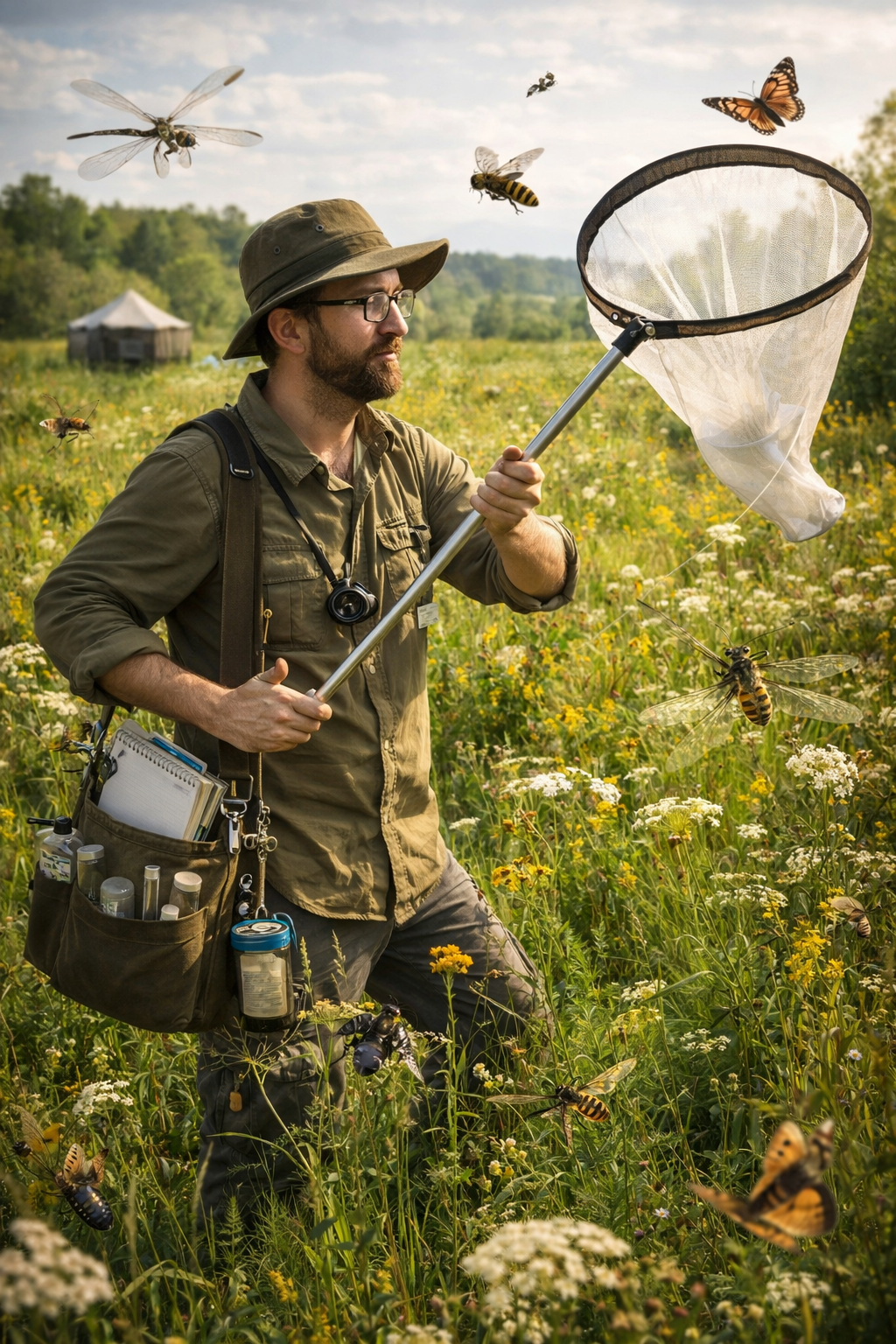
This practical 2-day Field Entomology course is designed for beginners and developing naturalists who want to build real field competence: finding insects, reading habitat, observing behaviour, collecting ethically, recording useful data and working with greater confidence outdoors.
This is the next step after our Introduction to Field Entomology course, but it is also suitable for motivated beginners with a serious interest in insects, invertebrates and practical natural history.
You will not spend two days sitting through lectures.
You will be outside, working through real field methods in real habitats, learning how to observe carefully, choose the right technique, handle specimens responsibly and record what you find in a way that has value.
Why Take This Course?
Most people who are interested in insects make the same mistakes.
They walk too quickly.
They disturb the habitat before watching it.
They rely too heavily on photographs.
They collect without a clear purpose.
They fail to record the habitat properly.
They miss the small details that matter.
Practical field entomology starts with a different habit: Stop. Watch. Think. Then act.
This course teaches you how to slow down, read the habitat, observe behaviour, choose the right field method and gather useful information without damaging the very organisms and places you came to study.
The aim is simple: to help you become a more careful, capable and useful field naturalist.
What You Will Learn
Across two practical days, you will learn the core field skills used in insect and invertebrate study, including:
- Quiet observation and field patience
- Reading habitat structure and microhabitats
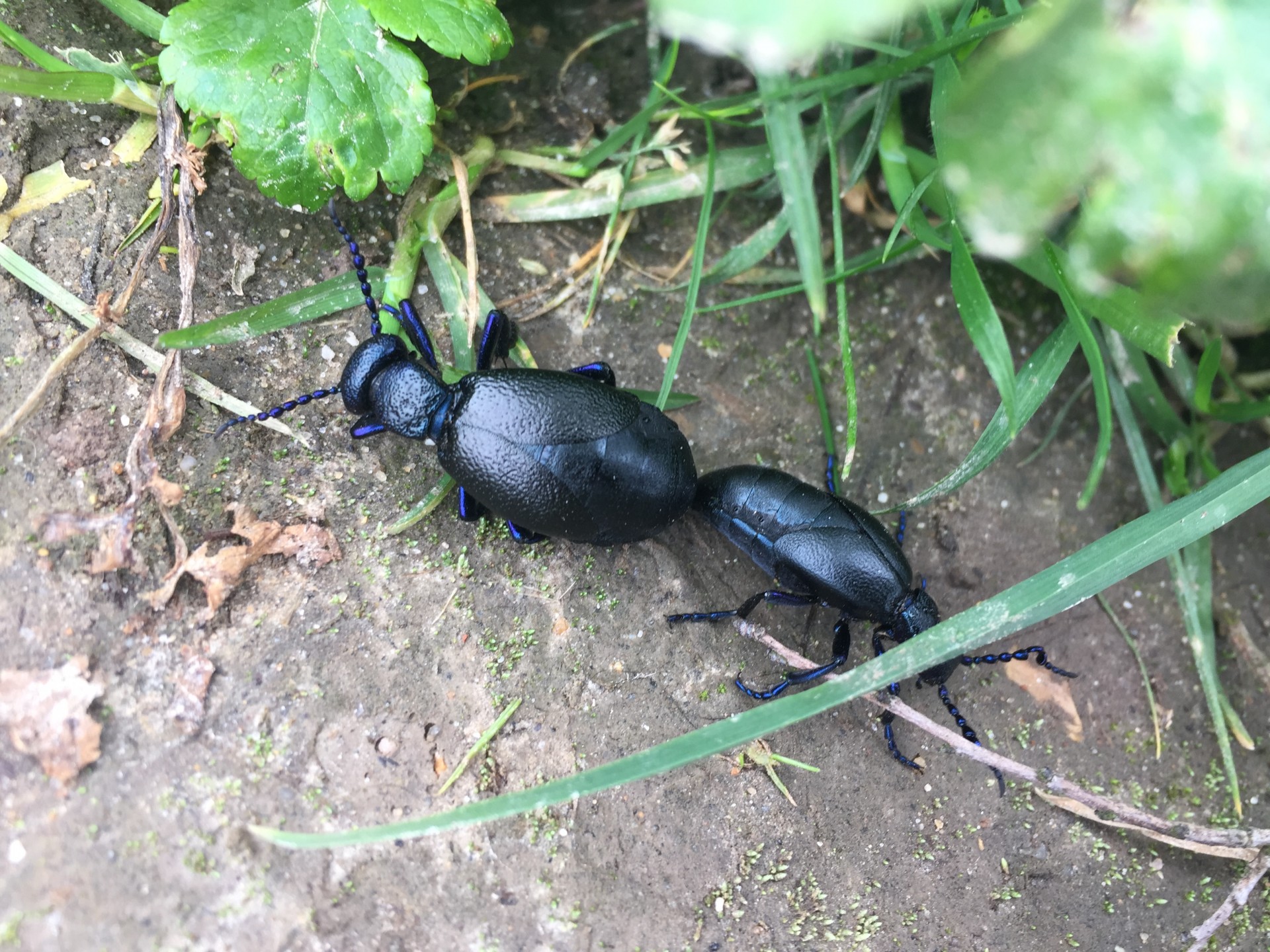
- Understanding where insects are likely to be found
- Choosing the right method for the habitat
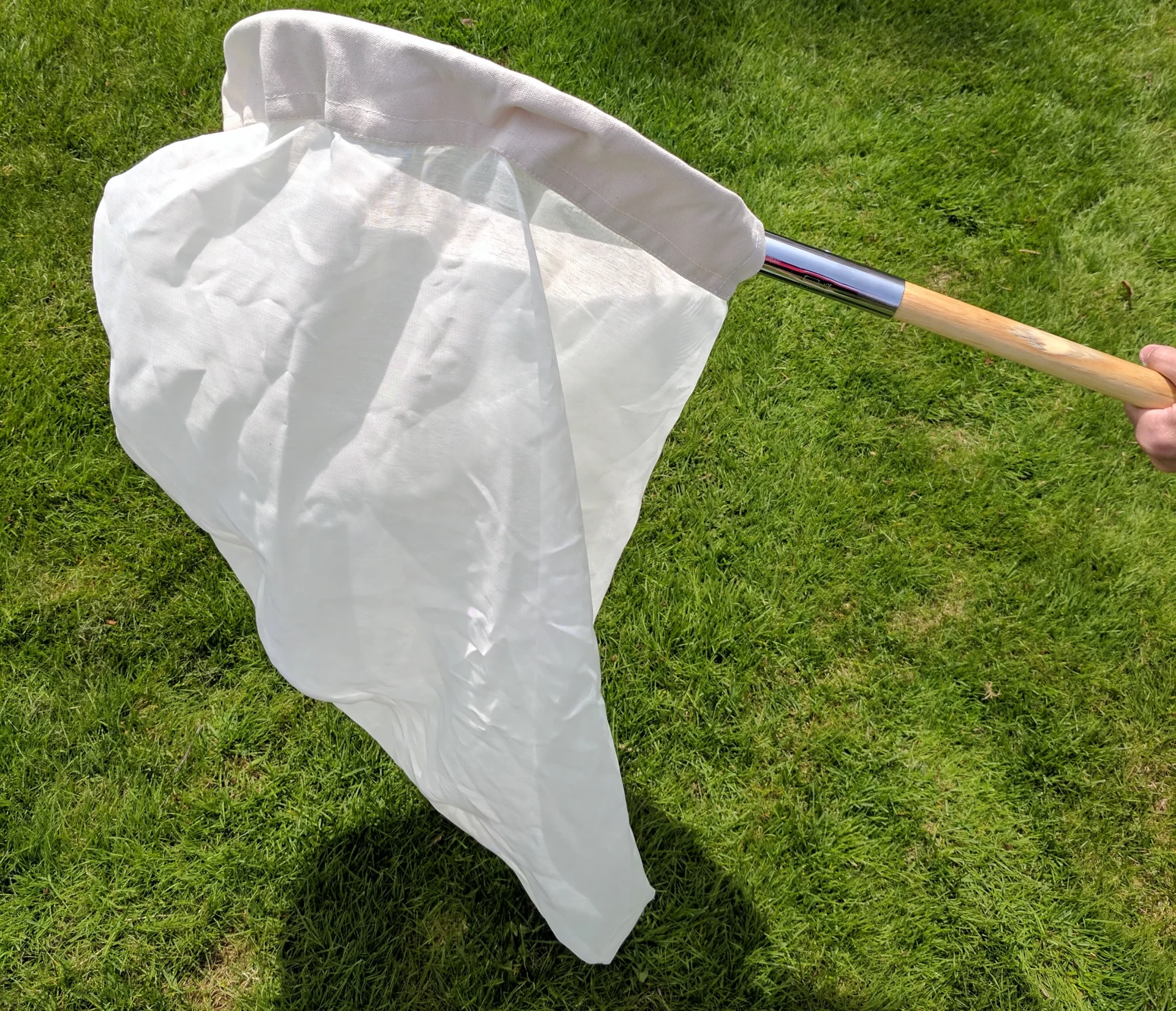
- Sweep netting in grassland, margins and scrub
- Beating shrubs and low canopy
- Direct searching on bark, deadwood, flowers and vegetation
- Leaf litter searching
- Turning stones responsibly and replacing them correctly
- Freshwater invertebrate sampling basics, where suitable habitat allows
- Using trays to sort and observe specimens
- Handling live invertebrates safely and calmly
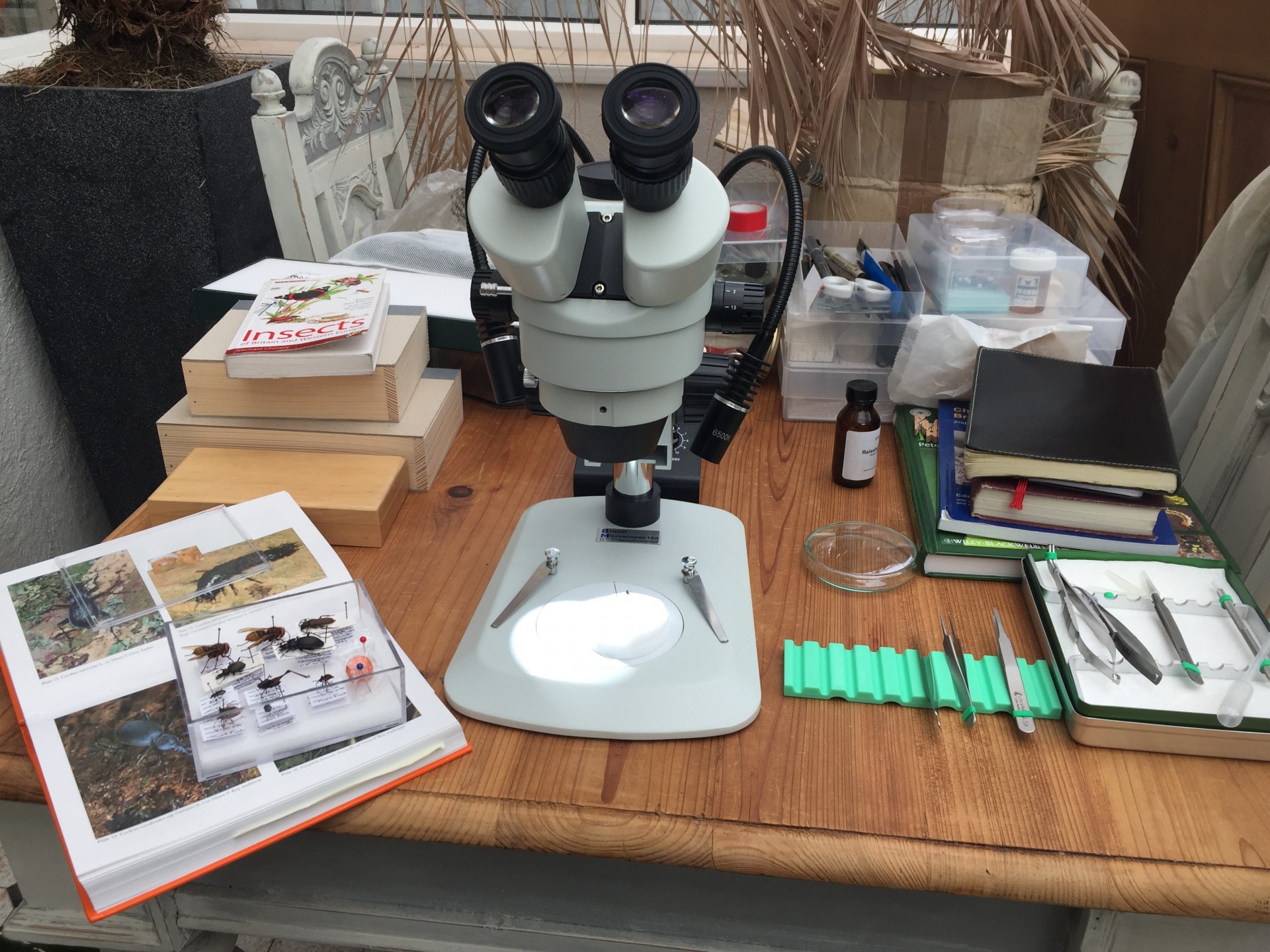
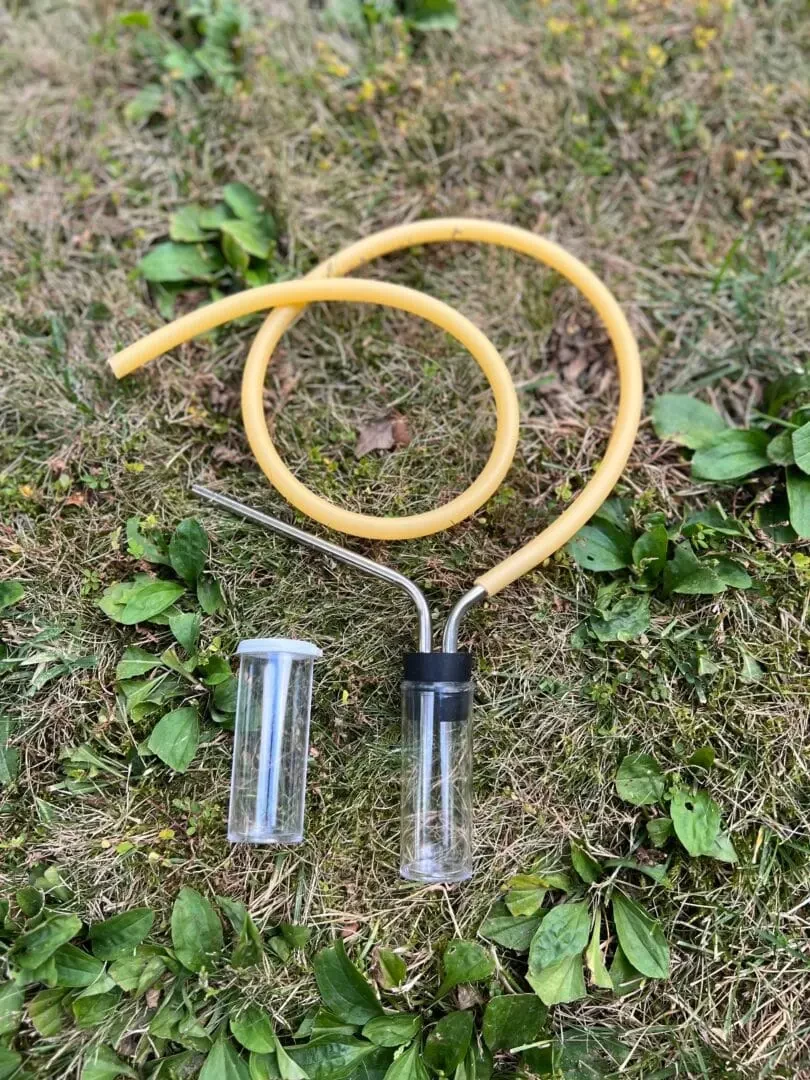
- Using hand lenses, pooters, forceps, brushes and collection tubes
- Deciding when to observe, photograph, release or preserve
- Basic field notes and recording discipline
- Grid references and location recording
- Recording habitat, weather and environmental context
- Understanding conservation value and responsible survey practice
This course gives you a practical field system, not a random list of techniques.
Field Equipment Covered
You will be introduced to the essential tools used in field entomology, including:
- 10x and 20x hand lenses
- Sweep nets
- Beating trays and sticks
- Pooters and aspirators
- Soft forceps and fine brushes
- Collection tubes
- Dry and ethanol storage options
- White sorting trays
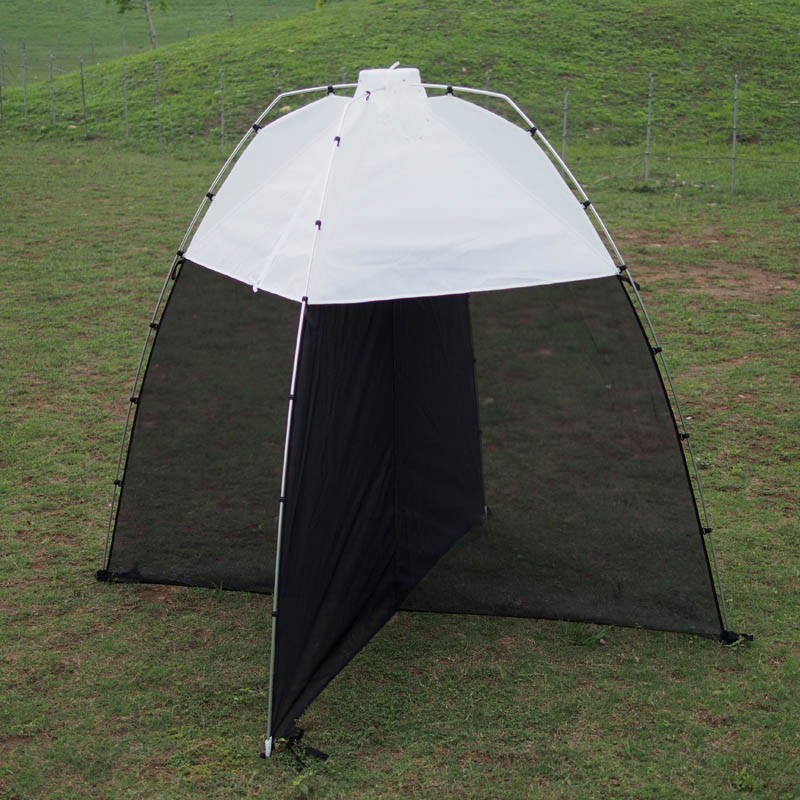
- Aquatic kick nets and pond nets
- Sample jars and vials
- Field notebooks
- Grid reference and GPS basics
You will learn what each tool is for, when to use it, and when not to use it. The goal is not to carry more equipment. The goal is to make better decisions in the field.
Terrestrial Field Methods
You will practise a range of terrestrial invertebrate survey and collection techniques, including:
- Sweep netting grassland and field margins
- Beating shrubs, hedgerows and low canopy
- Searching flowers, stems, bark and deadwood
- Leaf litter investigation
- Stone turning and correct habitat replacement
- Microhabitat targeting
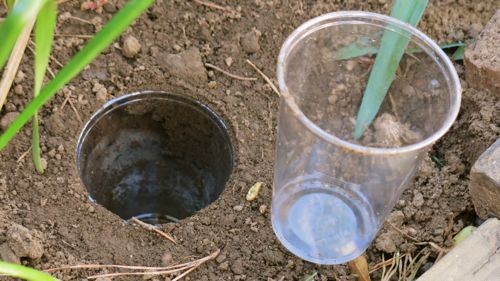
- Introduction to pitfall trapping principles
- Non-destructive observation methods
You will learn to think about where insects live, why they are there, and how weather, vegetation, shelter and season affect what you find.
Freshwater Invertebrate Methods
Where suitable habitat is available, the course will also introduce basic freshwater sampling methods, including:
- Kick sampling principles
- Marginal vegetation sampling
- Pond net technique
- Sediment disturbance and tray sorting
- Safe handling of aquatic invertebrates
- Observing freshwater macroinvertebrates in the field
This is not a full freshwater ecology qualification, but it gives you a practical introduction to one of the most rewarding areas of invertebrate study.
Working Smart in the Field
Good fieldwork is not just about equipment. It is about judgement.
You will learn how to work more effectively by considering:
- Sun direction
- Wind direction
- Temperature
- Time of day
- Weather changes
- Insect activity levels
- Heat stress and specimen care
- Cold conditions and reduced insect movement
- Condensation in tubes
- Safe temporary storage
- Efficient kit layout
- Clean field workflow
This is where fieldcraft matters. A careless observer can walk through a good site and see almost nothing. A disciplined observer can stop, watch and begin to understand what is actually happening.
Ethical Collection and Responsible Fieldwork
Responsible fieldwork is central to this course.
You will learn how to make better decisions in the field:
- When observation is enough
- When photography is useful
- When temporary capture is appropriate
- When preservation may be justified
- How to minimise stress to live specimens
- How to avoid unnecessary collecting
- How to reduce habitat damage
- How to record findings properly
- How your observations may support conservation knowledge
The purpose of field entomology is not to take as much as possible. The purpose is to study carefully, record honestly and leave the habitat respected.
Who This Course Is For
This course is ideal for:
- Beginners ready to go beyond an introductory day
- Amateur naturalists wanting proper field technique
- Wildlife photographers wanting better subject knowledge
- Gardeners interested in the insects using their land
- Conservation volunteers
- Outdoor educators and activity leaders
- Citizen scientists and biological recording beginners
- Sea kayakers interested in coastal and estuary biodiversity
- Anyone who wants to stop guessing and start observing properly
You do not need to be an expert. You do need curiosity, patience and a willingness to work carefully.
By the End of the Course, You Will Be Able To:
- Approach a habitat with a more trained eye
- Choose suitable field methods for different conditions
- Use basic entomology field equipment with confidence
- Observe insect behaviour more carefully
- Search grassland, scrub, leaf litter and freshwater margins more effectively
- Handle live specimens responsibly
- Make better decisions about observe, photograph, release or preserve
- Record useful field information
- Understand why habitat context matters
- Continue developing your field entomology skills with greater confidence
You will leave with a practical system for fieldwork, not just a list of insect names.
The Next Step in the NOMAD Entomology Pathway
This course sits at the heart of the NOMAD Outdoor Learning entomology pathway.
Start with Introduction to Field Entomology if you are completely new with absolutely no knowledge whatsoever.
Take Practical Field Entomology when you are ready to build proper field competence.
Then continue into Field to Microscope: Insect Identification, Mounting and Curation to learn how to process, examine and identify material in more detail.
You can also continue learning through the NOMAD Entomology Club, with seasonal field events, identification practice and ongoing natural history development.
Course Details
Course: Practical Field Entomology
Level: Beginner to developing naturalist
Duration: 2 days
Experience required: Basic curiosity and willingness to learn. Prior attendance on Introduction to Field Entomology is useful but not essential.
Teaching style: Practical, outdoor, small-group field training
Habitats: Terrestrial habitats, grassland, scrub, woodland edge and freshwater margins where available
Next step: Field to Microscope and the NOMAD Entomology Club
Book Your Place
If you want to study insects properly, this is the course that gives you the field skills to begin.
You will learn how to slow down, read the habitat, find insects more effectively, collect ethically, record useful data and work with greater confidence outdoors.
Book your place on Practical Field Entomology and start building real field competence.
Location
Suffolk
21st August 2026, 9:00 AM
Specialist equipment provided.
On site.
To Bring: Sturdy outdoor clothing & closed footwear, waterproofs, notebook, hand lens (recommend 10x), medium tupperware container with tissue paper for specimens and lunch/drinks.