The Discipline of Practice.
Over my twenty one years of professional paddling, I have trained hundreds of students and most, probably some 90% never seem to improve. They don’t progress their paddle skills and shy away from recoveries.
Why - there are many, common sense reasons.
- Resistance to capsizing a kayak in cold water.
- Finding a competent paddle partner to practise with.
- Having the competence to trip plan.
And probably a dozen or more perfectly sound reasons. But it always comes back to same problem; the lack of discipline to practice regularly. Let’s be honest, where there is a will, there is always a way. I know this from personal experience. You just have to get off your backside and get going.
So following are eight useful tips to help you build that discipline and work ethic;
1. Put it in the diary
Schedule the time in your diary/working day/week. Make a firm commitment and dedicate the time. Why? Because it’s important to you, a new skill, improved mental and physical health, downtime at cetera. No vague intentions - commitment!
2. Start small and low risk
Start easy in sheltered water, warm(ish) conditions, short sessions. Build the habit before you build the difficulty. Many (particularly men) often go straight to the hard stuff, taking on too much and put themselves off with a bad experience.
3. Find a paddle partner
Clubs offer pool sessions and ‘light trips’ where you can meet other like minded paddlers and build relationships that can extend your paddling to longer day trips and light training sessions. And don’t forget social media and paddling forums.
The paddlers are out there, you just have to find them.
4. Kit removes the excuse
Cold water is the number one reason people avoid capsize practice. Commit to a good quality dry suit and some basic layers (avoid cotton and denim). A good dry suit extends your ability to train year round, improving your skills quickly.
5. Break it down
Recoveries and rolls aren’t one skill, they’re a chain of separate skills, all building your ’toolbox’ of skills. Practising these separately builds confidence in each faster, and combined, add to your overall competence and ability to paddle in deep, tidal water.
6. Get eyes on you.
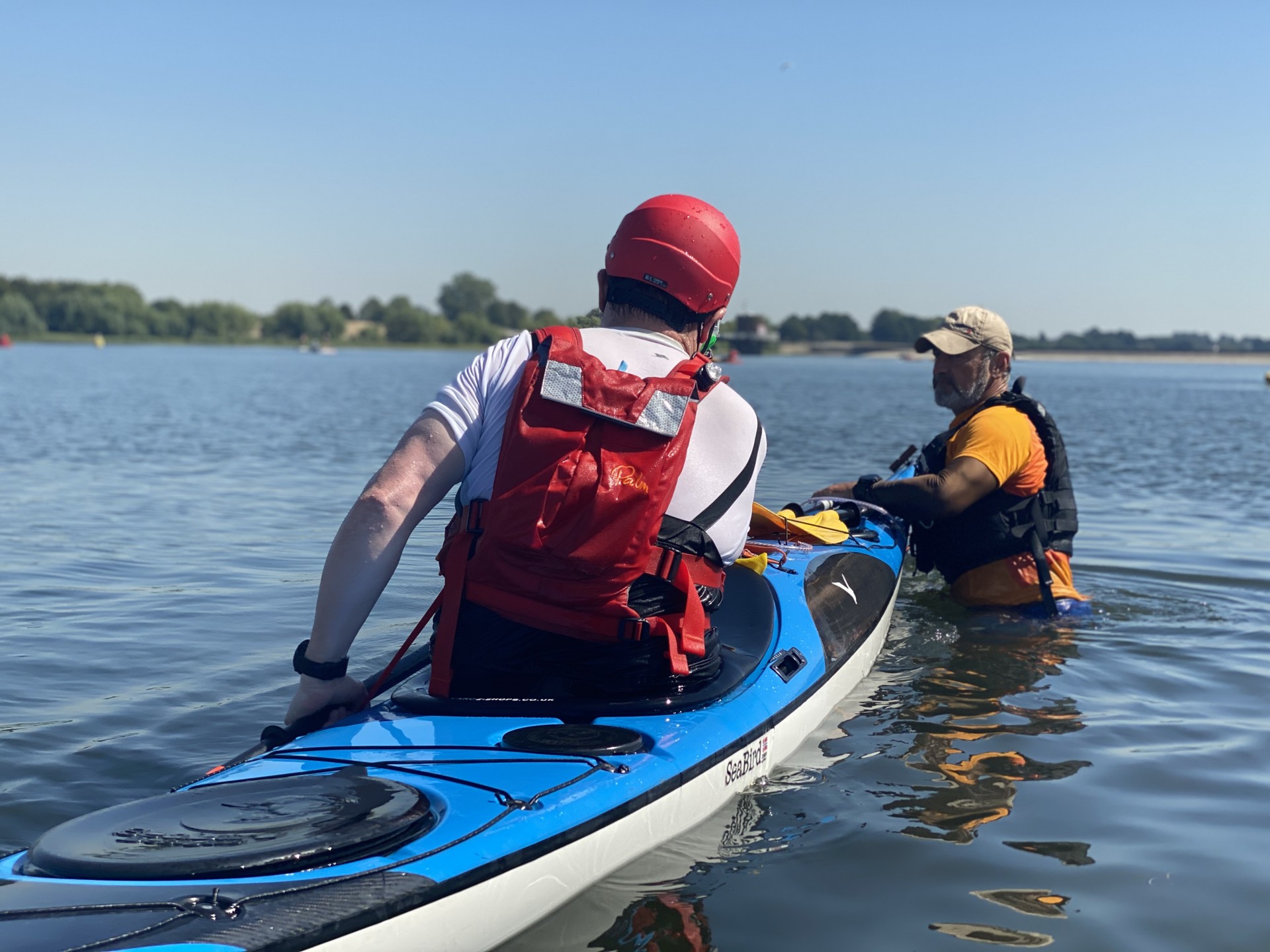
Self-taught practice reinforces bad habits as often as it fixes them. Get on to a good training course, absorb the information and then apply and practise those skills over six months. Then book the next level up training course that will stretch your ability. Attend, apply and practise. And with some basic ‘trip planning’ competence, you’re off!
7. Track it
Keep a simple log of all your sessions. Hours paddled, weather, sea conditions, part of a group or leading, skills practised, successes achieved and so on. You have to measure in order to see progress so never let your logbook go quiet.
8. Set yourself a target
Set yourself a realistic objective that will stretch you. A trip, a qualification, a holiday on the calendar. Discipline is easier when there's a reason for it beyond "I should".
Closing
Like I said; ‘where there's a will there's a way’. Discipline is a choice, not a talent. When last did you get wet on a paddle...heck, when last did you paddle? So, stop the excuses and get to it!
Book your training here at NOMAD Sea Kayaking.