Just bought a kayak?
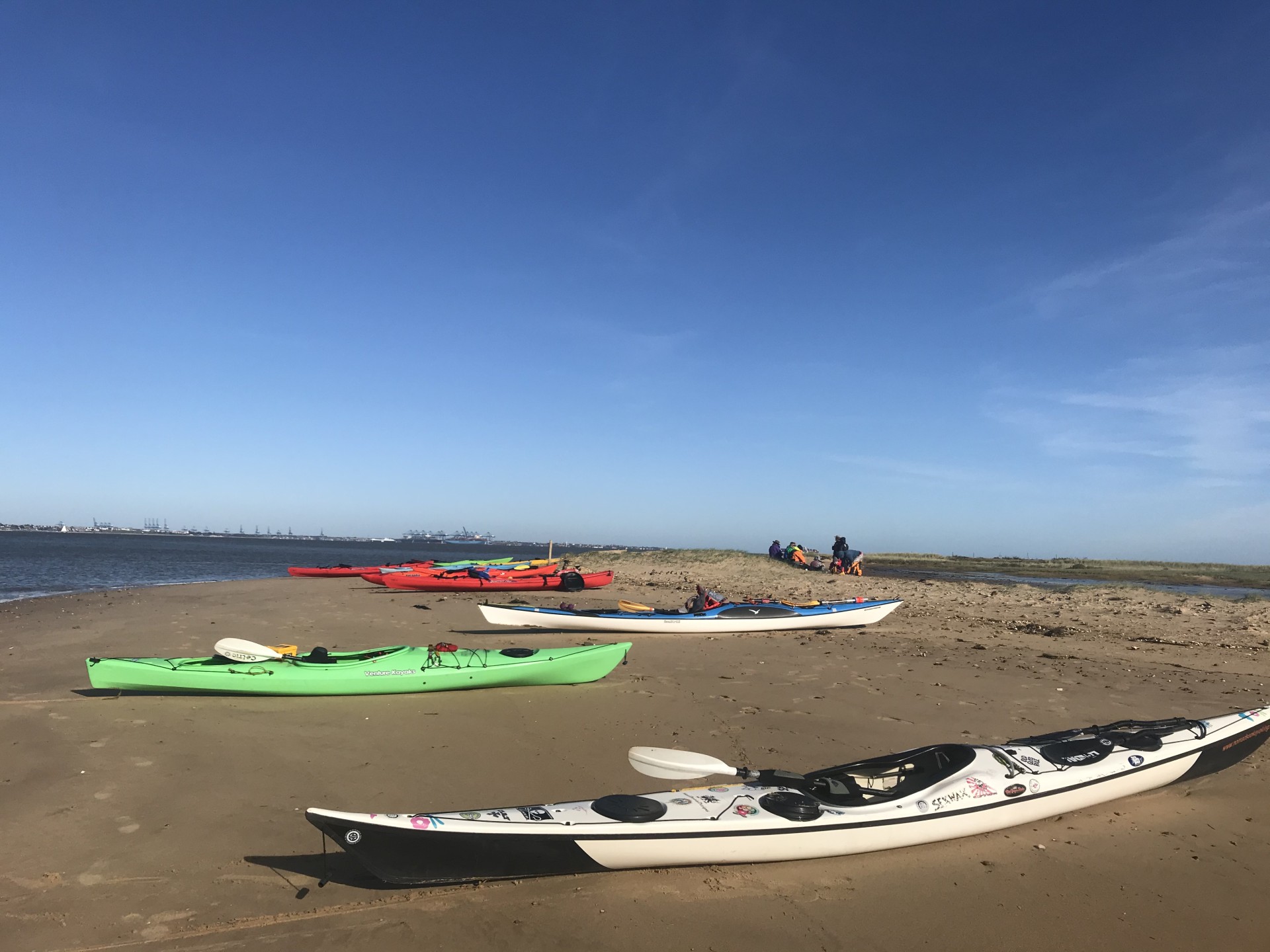
Every winter, a new batch of kayaks arrives in Suffolk garages. Some are Christmas presents, some are January sale bargains and some are second-hand finds online. Come the first warm weekend in spring, most of them head straight for the water. Most of their owners have never been shown how to use them.
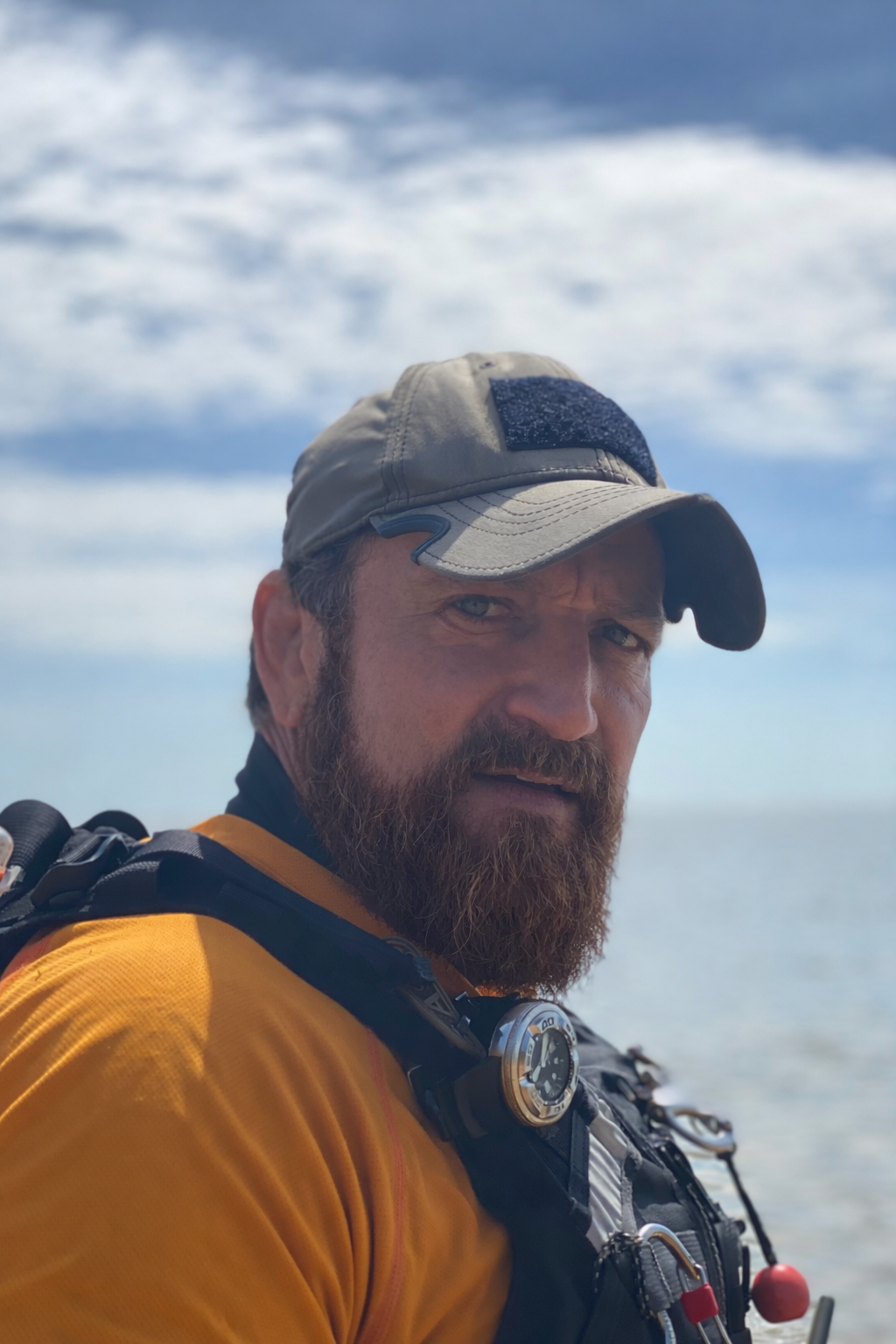
I've coached on this coast for more than 21 years. These are the seven things I wish every new kayak owner knew before their first paddle.
1. Wear a buoyancy aid, every time
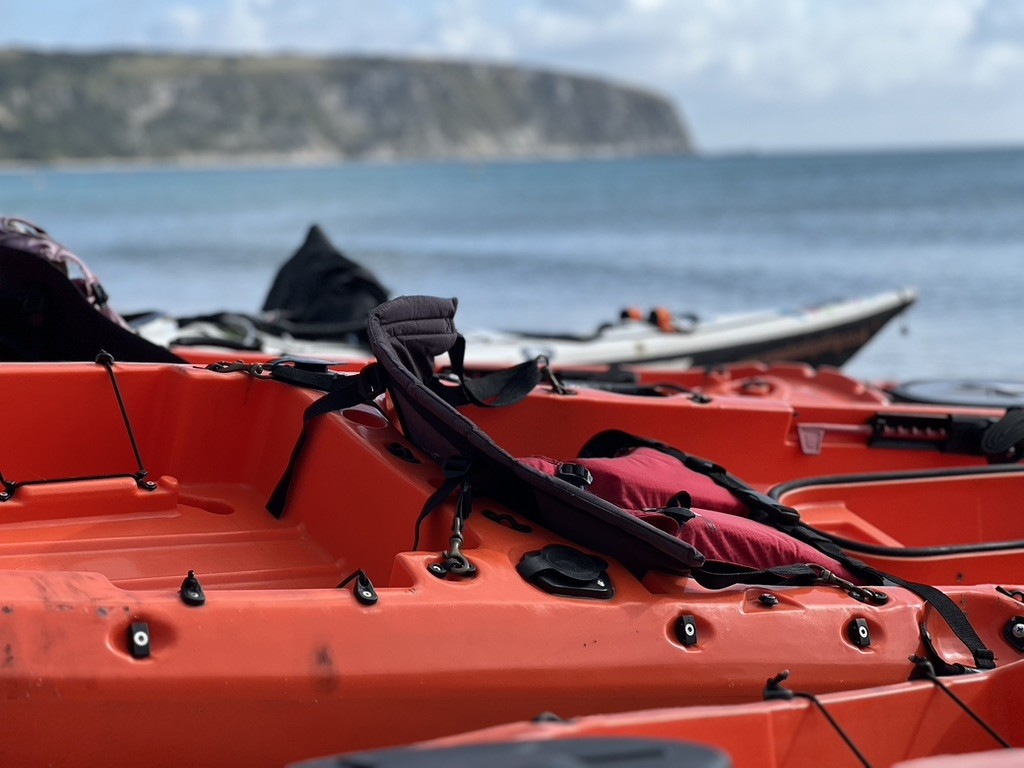
Not in the boot of the car. On you, zipped up and adjusted so it can't ride up over your head. If you end up in the water unexpectedly, it buys you time to recover. Without one, you're relying on swimming in cold, moving water, which is far harder than it sounds.
2. Dress for the water, not the weather
A sunny spring day can fool you. The sea off Suffolk stays cold well into early summer. Falling into cold water causes cold water shock: you gasp, and you lose control of your breathing for the first minute or so. Wear layers that still keep you warm when wet, add a windproof top, and leave the cotton at home.
3. Check the wind, especially offshore wind
Offshore wind, blowing from the land out to sea, is the beginner's biggest danger. The water near the beach looks calm and sheltered. Once you're out, getting back takes far more effort than going out did. If the wind is blowing off the land, choose another day or a more sheltered spot.
4. Learn the tides before you launch
The Deben and Orwell estuaries run fast on a big tide, faster than most beginners can paddle against. Check the tide times before you leave home, not when you arrive. Plan to paddle against the tide first, so it helps you home when you're tired.
And stay well away from the bar at the mouth of the Deben. Its shifting shingle banks and fast water catch out experienced boat users, let alone new paddlers.
5. Practise a capsize before you need one
Everyone capsizes eventually. The first time should be on purpose, in shallow water, with someone there to help. Know how to get out of your kayak (wet exit), keep hold of it and get back in or back to shore. The middle of the estuary is the wrong place to work it out.
6. Never paddle alone, and tell someone your plan
Paddle with at least one other person. Tell someone on shore where you're going and when you'll be back. Carry a fully charged phone in a waterproof pouch or even better (and more reliable, a Peli case) and ensure you have at least three means of calling for assistance attached to your buoyancy aid. For example, a pea whistle, a heliograph reflective mirror, VHF radio, emergency strobe, a day/night flare. Your phone is a back up only if all else fails - call 999 and ask for the Coastguard.
7. Get some coaching early
Bad habits form quickly and are hard to unlearn. A day of proper coaching at the start saves years of inefficient paddling. More importantly, it teaches you what to do when things go wrong, which is the part you can't learn from a video.
Closing
That new kayak can give you years of fresh air, exercise and time on the water. Give it, and yourself, the best start.
Our Learn to Kayak in a Day course is built for exactly this: new paddlers with their own kayak, paddle and buoyancy aid who want the essential safety and paddling skills from day one. Courses run from Bawdsey Quay in small groups of up to 6, starting up again in April 2027.
Buying a kayak as a Christmas present? A Learn to Kayak in a Day gift voucher is the safest thing you can wrap with it.
Book your place here at NOMAD Sea Kayaking.
OR
Buy a Gift Voucher