Your Pre-Season Check Up
Preparing Your Sea Kayak for the New Paddling Season
Winter is nearly behind us. The days are stretching out, the water is (slowly) warming, and the pull of the coast is getting stronger. Before you rush to the slipway for your first launch of the year, take the time to properly prepare your sea kayak and equipment for the 2026 paddling season.
A careful pre-season check not only protects your investment — it protects you.
Here’s a practical, step-by-step guide to getting ready for a safe and successful season on the water.
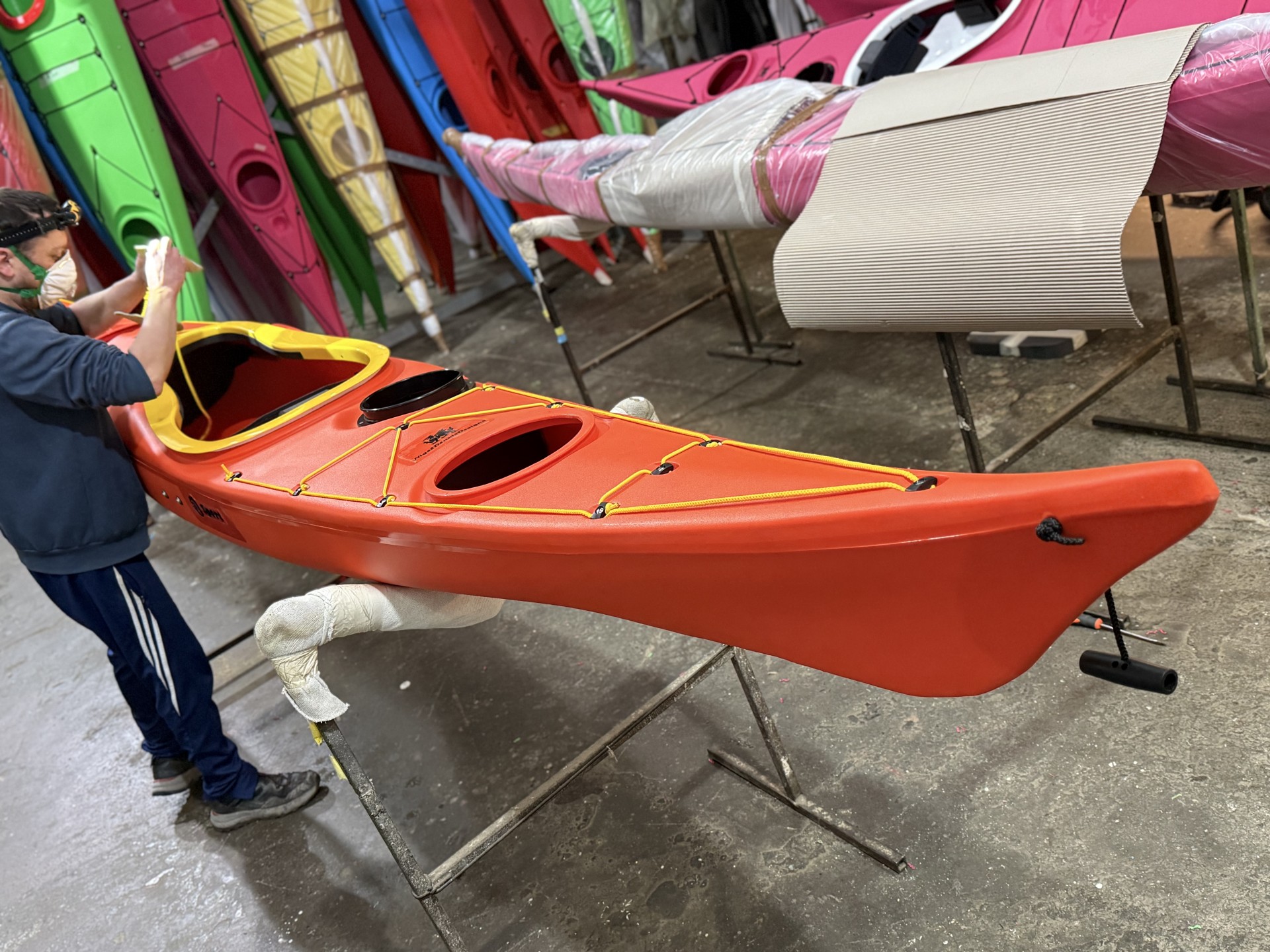
1. Inspect the Hull Thoroughly
Start with a full visual inspection of your kayak.
Check for:
- Cracks or fractures (especially around chines and the keel line)
- Deep scratches or worn-through gelcoat
- Oil-canning (on plastic boats)
- Soft spots (on composite kayaks)
- Damage around the skeg box or rudder housing
If you have a composite kayak, now is the time to repair chips before they absorb water. Small gelcoat repairs are straightforward and prevent bigger problems later in the season.
Pro tip: Run your hands along the hull — you’ll often feel damage you can’t easily see.
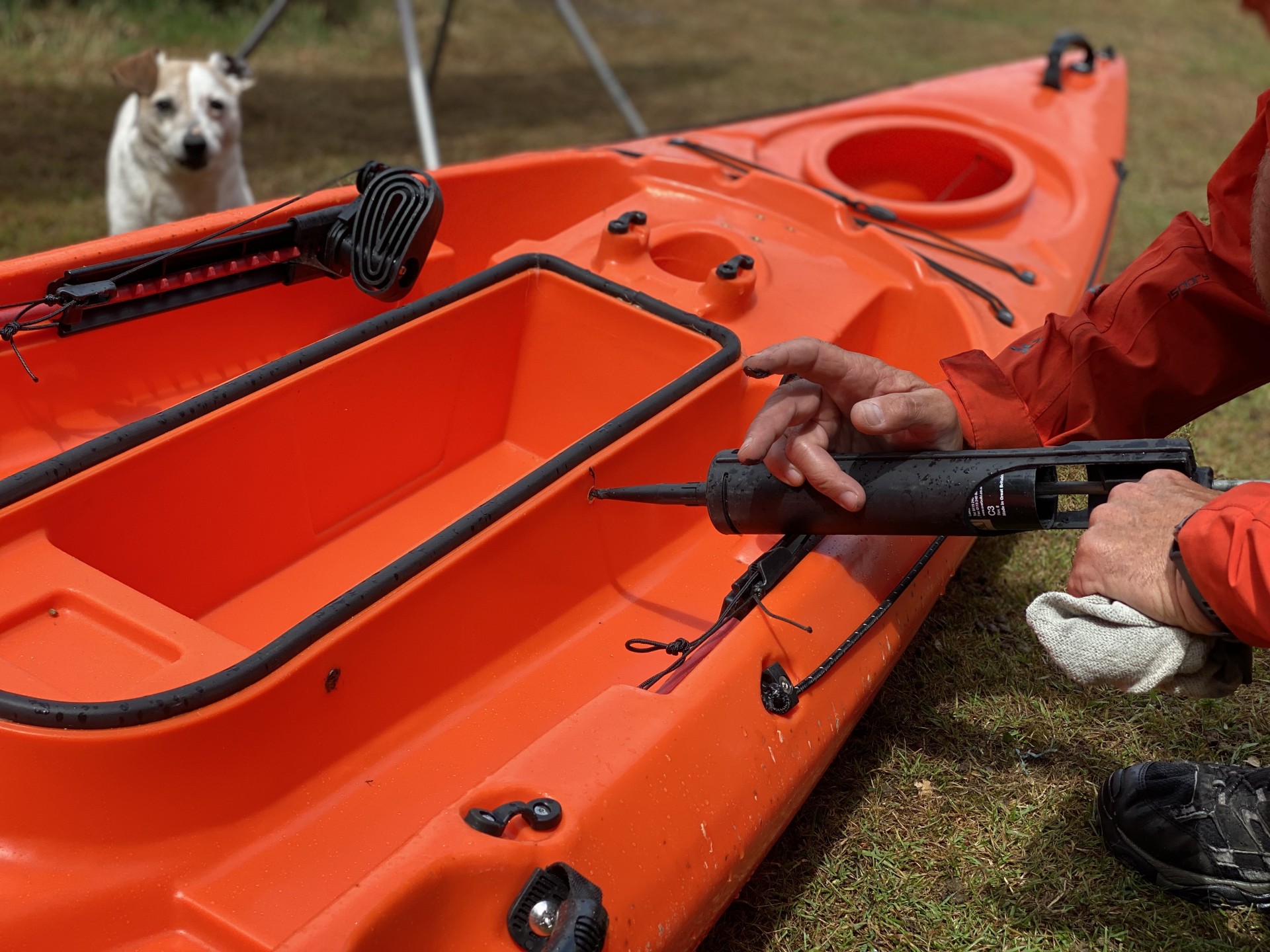
2. Test Hatches and Seals
Over winter, rubber hatch covers can harden or lose elasticity.
- Inspect for cracks or brittleness
- Check hatch rims for splits
- Ensure covers seal tightly
- Replace perished straps or cords
Fill the kayak with a small amount of water (or hose around the hatches) and check for leaks before heading to sea.
Dry storage compartments are not a luxury — they’re a safety feature.
3. Skeg or Rudder Maintenance
Few things are more frustrating than launching into a crosswind and discovering your skeg is jammed.
- Operate the skeg or rudder fully
- Check cables for corrosion
- Flush the skeg box with fresh water
- Lubricate moving parts where appropriate
Salt and sand build up over winter storage and can seize systems just when you need them most.
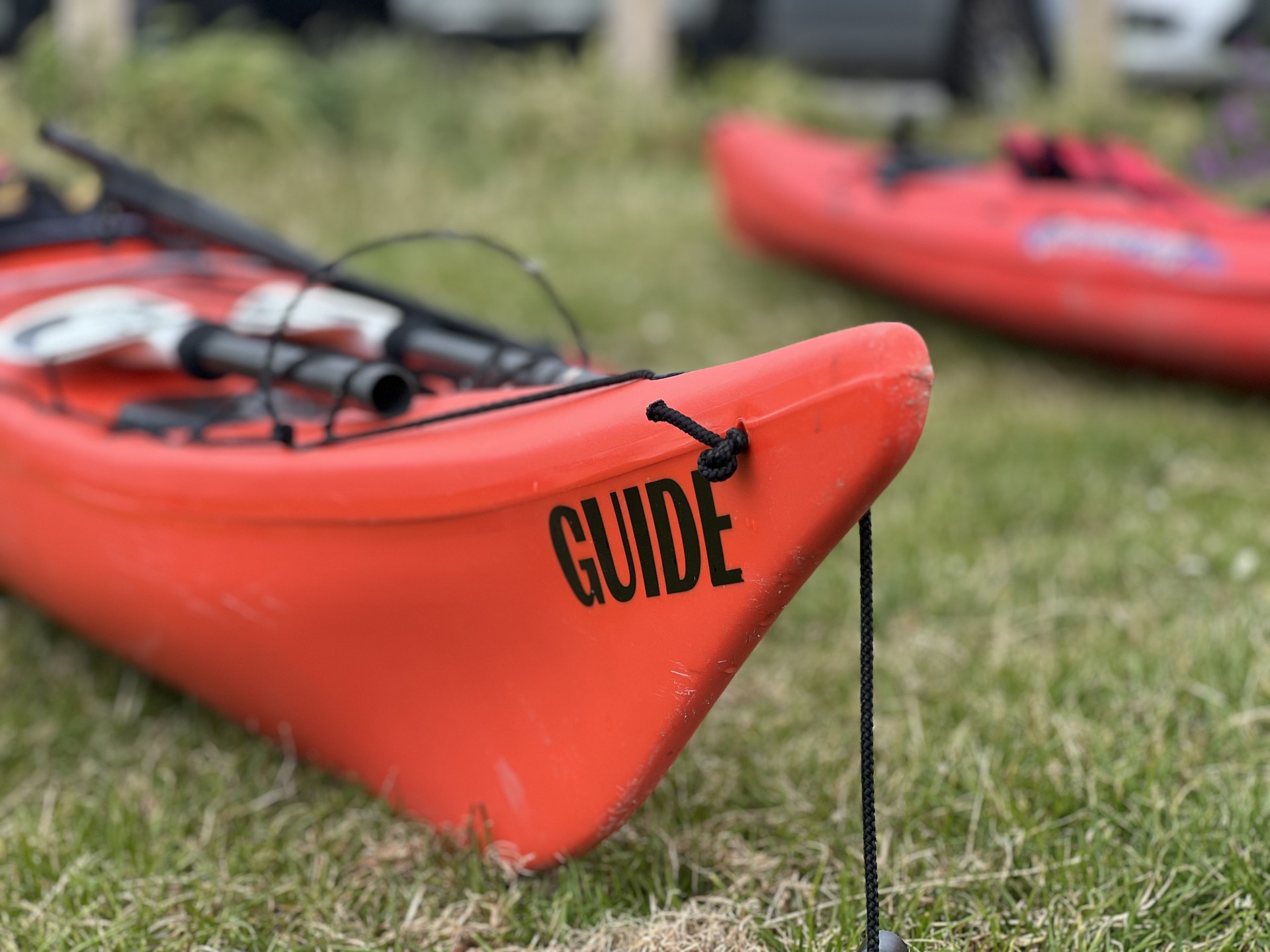
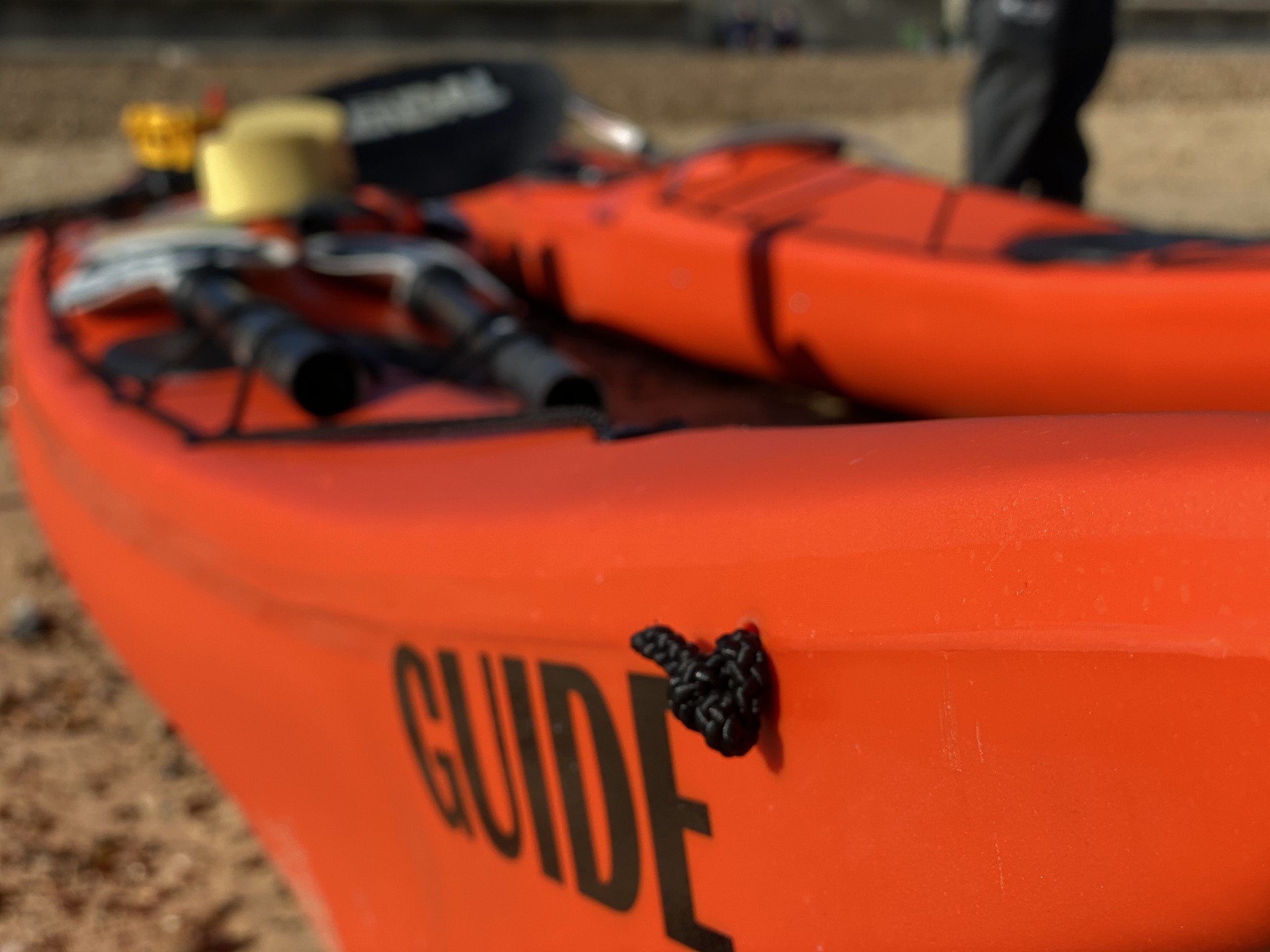
4. Deck Lines and Bungees
Your deck lines are your lifeline during rescues.
- Tug every perimeter line firmly
- Replace frayed or UV-damaged cordage
- Ensure bungees still have tension
- Check toggles are secure
If someone needs to grab your boat in rough water, particularly during recoveries, deck lines must hold.
5. Paddle and Personal Kit Check
Your kayak isn’t the only thing that needs attention.
Paddle
- Inspect blades for cracks
- Check the ferrule function
- Clean and lightly grease the adjustable systems
Buoyancy Aid (PFD)
- Check stitching
- Test zips and buckles
- Ensure reflective strips are intact
Drysuit or Wetsuit
- Inspect latex seals for cracking
- Pressure test if possible
- Lubricate zips
Cold water remains a serious risk well into spring.
6. Safety Equipment Refresh
Spring is the perfect time to review your safety setup.
- Replace out-of-date flares
- Check your first aid kit contents
- Test your VHF radio
- Replace batteries in headtorches
- Inspect towline systems
Ask yourself honestly:
Would this kit work if I capsized in cold, confused seas?
7. Rebuild Your Fitness and Skills Gradually
The biggest early-season mistake is paddling as if you never stopped.
- Start with shorter journeys
- Choose sheltered venues
- Rehearse assisted and self-rescues
- Practise edging, bracing and navigation
Skill fade is real. So is complacency.
8. Consider Professional Training Before Pushing Further Offshore
Every season, paddlers venture a little further. Longer crossings. Stronger tidal streams. Rougher conditions.
The sea does not forgive poor preparation.
Professional Coaching does more than polish technique — it:
- Refines decision-making
- Improves efficiency in wind and tide
- Strengthens rescue competence
- Expands your comfort zone safely
- Builds true confidence
If you want to extend your paddling into more demanding sea conditions — and come home safely to your family afterwards — structured training is one of the best investments you can make.
You can explore our upcoming sea kayaking courses here: View Our Kayaking Courses
Our training focuses not just on performance, but on judgement, seamanship and real-world coastal awareness.
Because progressing your paddling should increase both your capability and your safety margin.
Final Thoughts
Preparing your sea kayak for the season isn’t just maintenance — it’s a mindset reset.
Check your boat.
Check your kit.
Check your skills.
Then build your season intentionally. The sea will always be there. The question is whether you are fully ready for it.
If this is the year you want to paddle stronger, farther, and more confidently — while ensuring you return safely after every journey — take the next step:
Join us for professional sea kayak training and make this your most capable season yet.